Entry 0079 · Reviewed Sep 10, 2026Advent of Mainezilla Gardens (A): The Living Alphabet — Field Notes, Provenance, and the First Letter
This is the inaugural living Mainezilla Gardens (A) entry — the seed of a document meant to grow alphabetically from A to Z over many seasons. 'Advent' explains the method: provenance, dated field records, specimen curation, legal context for Maine growers, and postharvest practices that preserve the chemical footprint of a cultivar for future comparison. It connects Maine statutes and OCP rules to peer‑reviewed postharvest science and the DACF’s on‑farm guidance. Follow the Maine Cannabis Encyclopedia A→Z project as it ages like a well‑cured bud.
What this living entry is (facts and purpose)
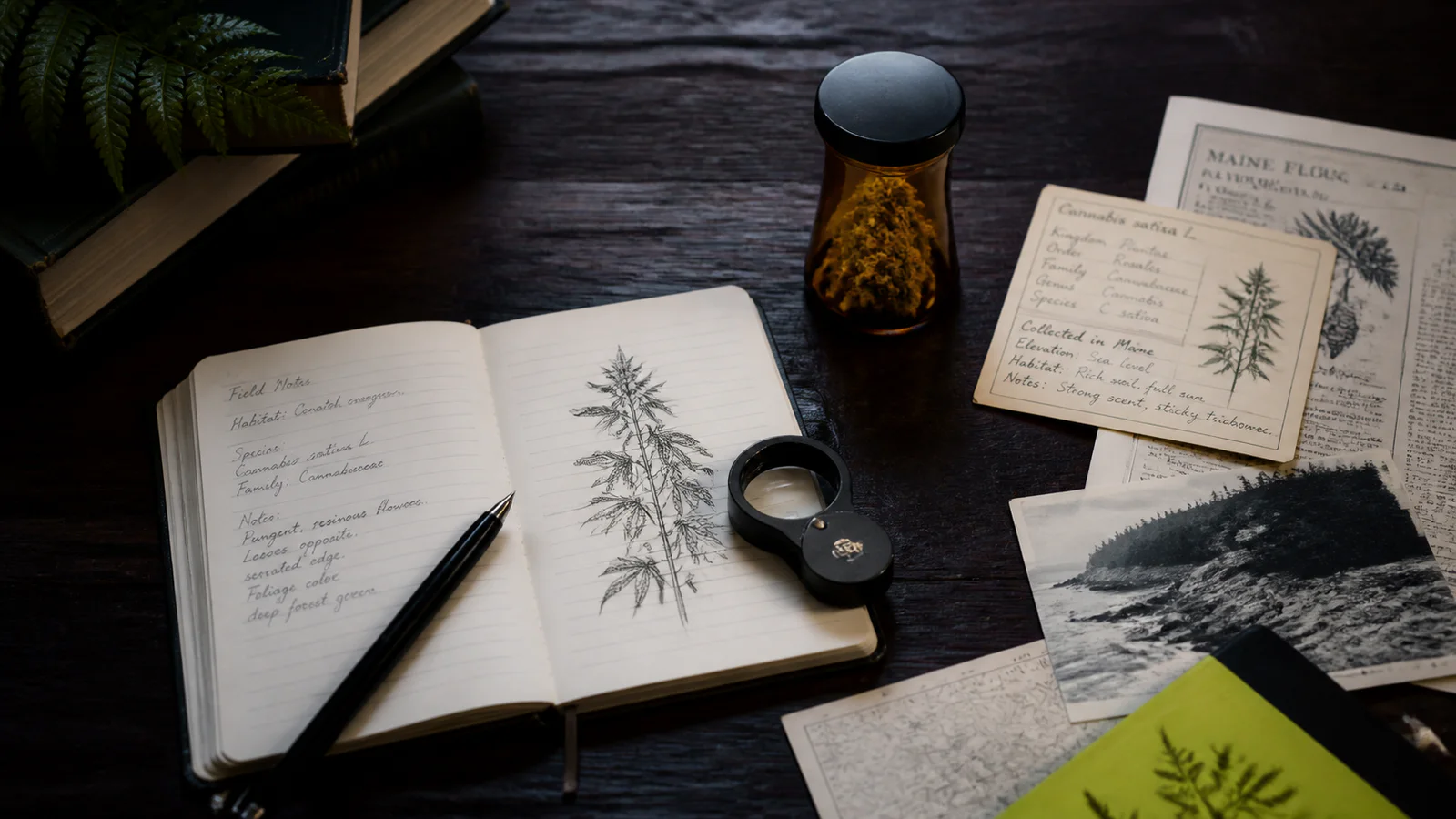
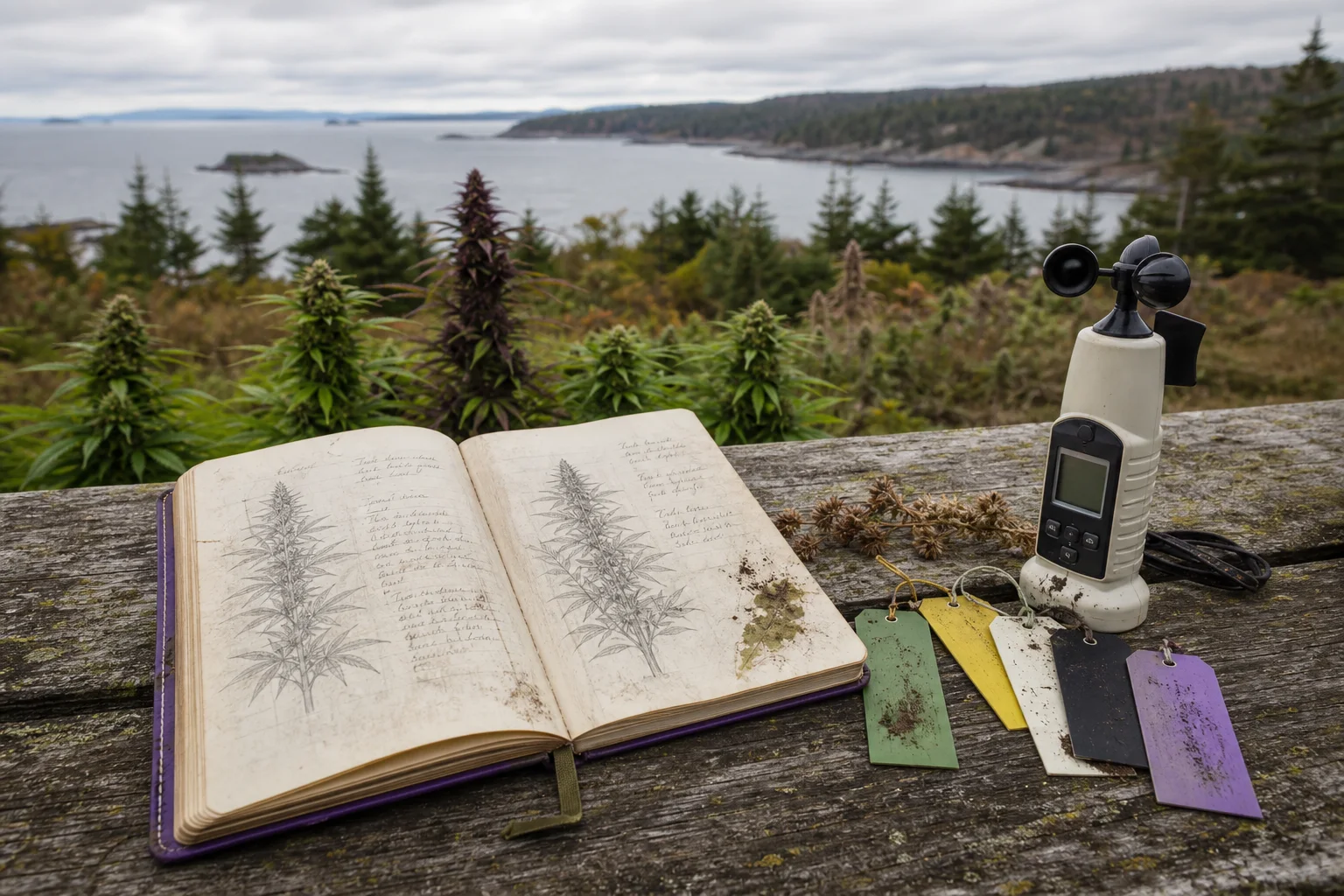
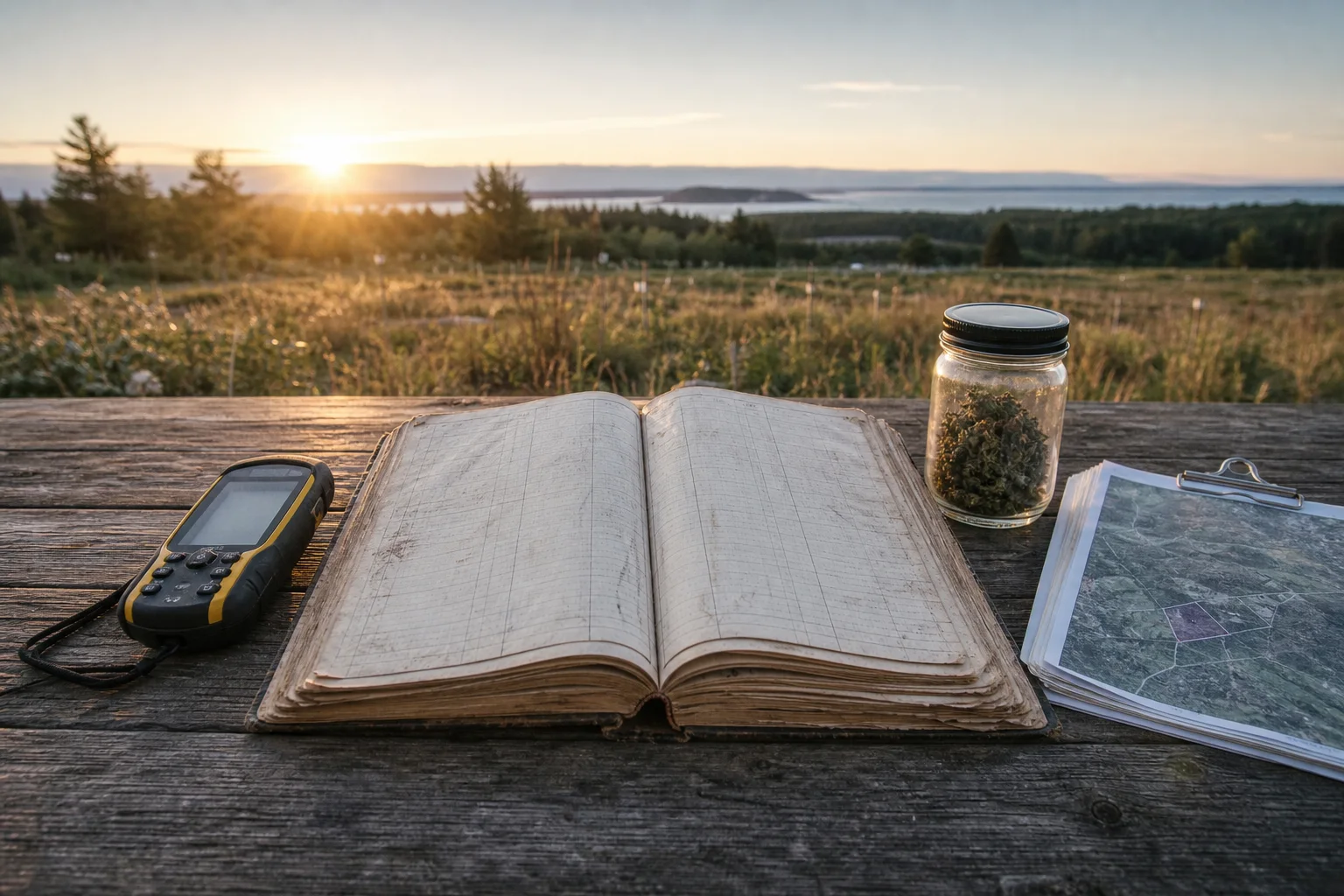
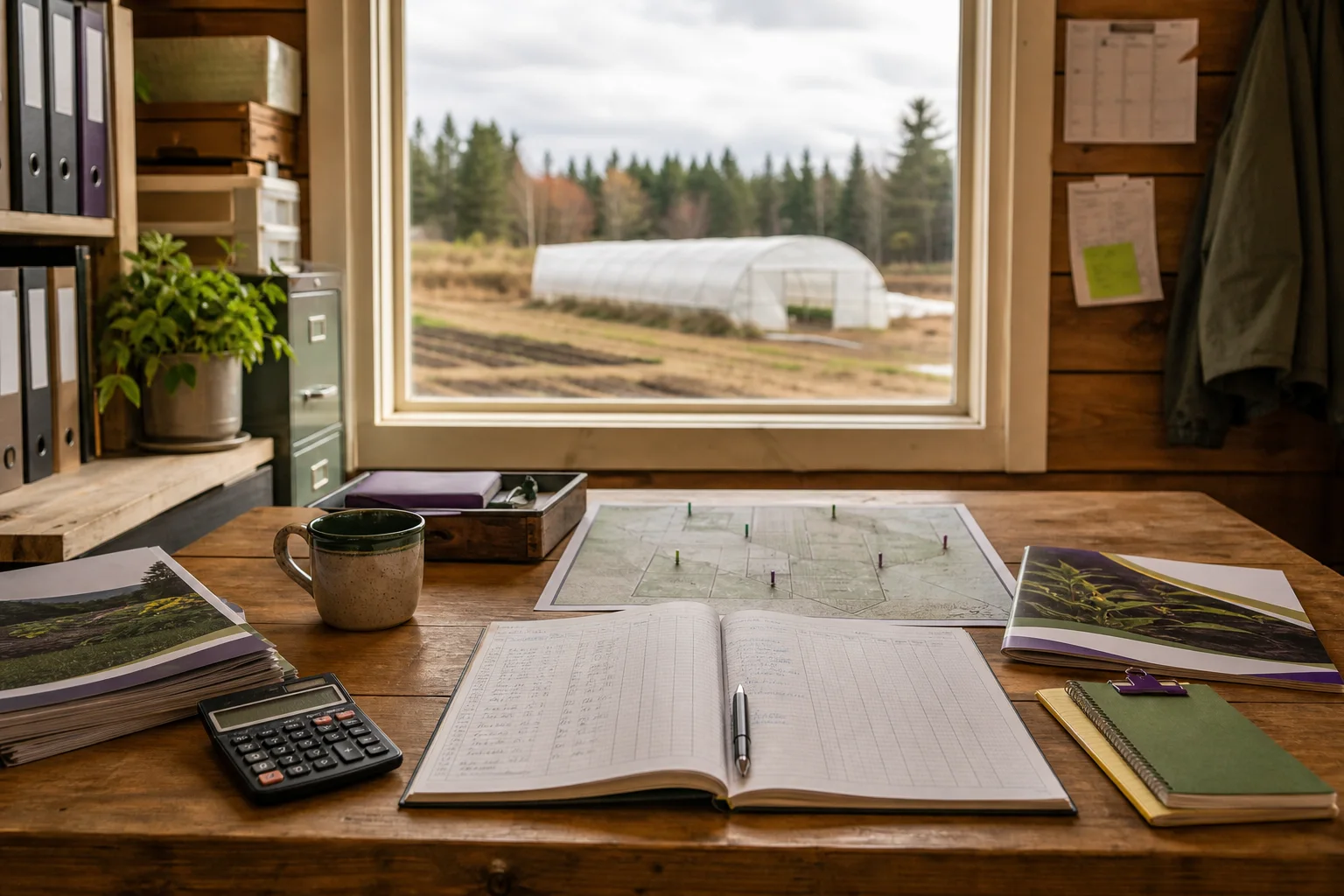
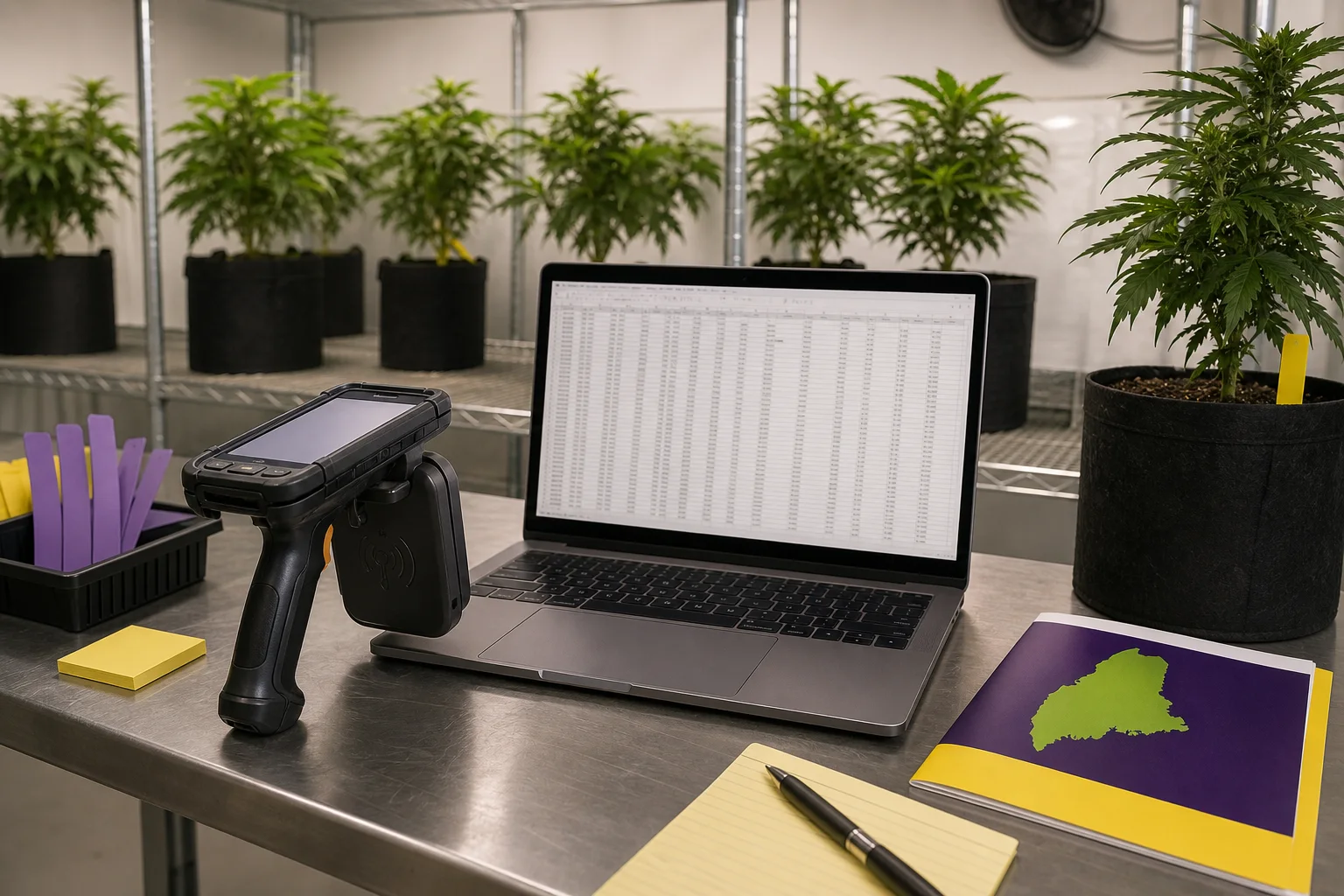
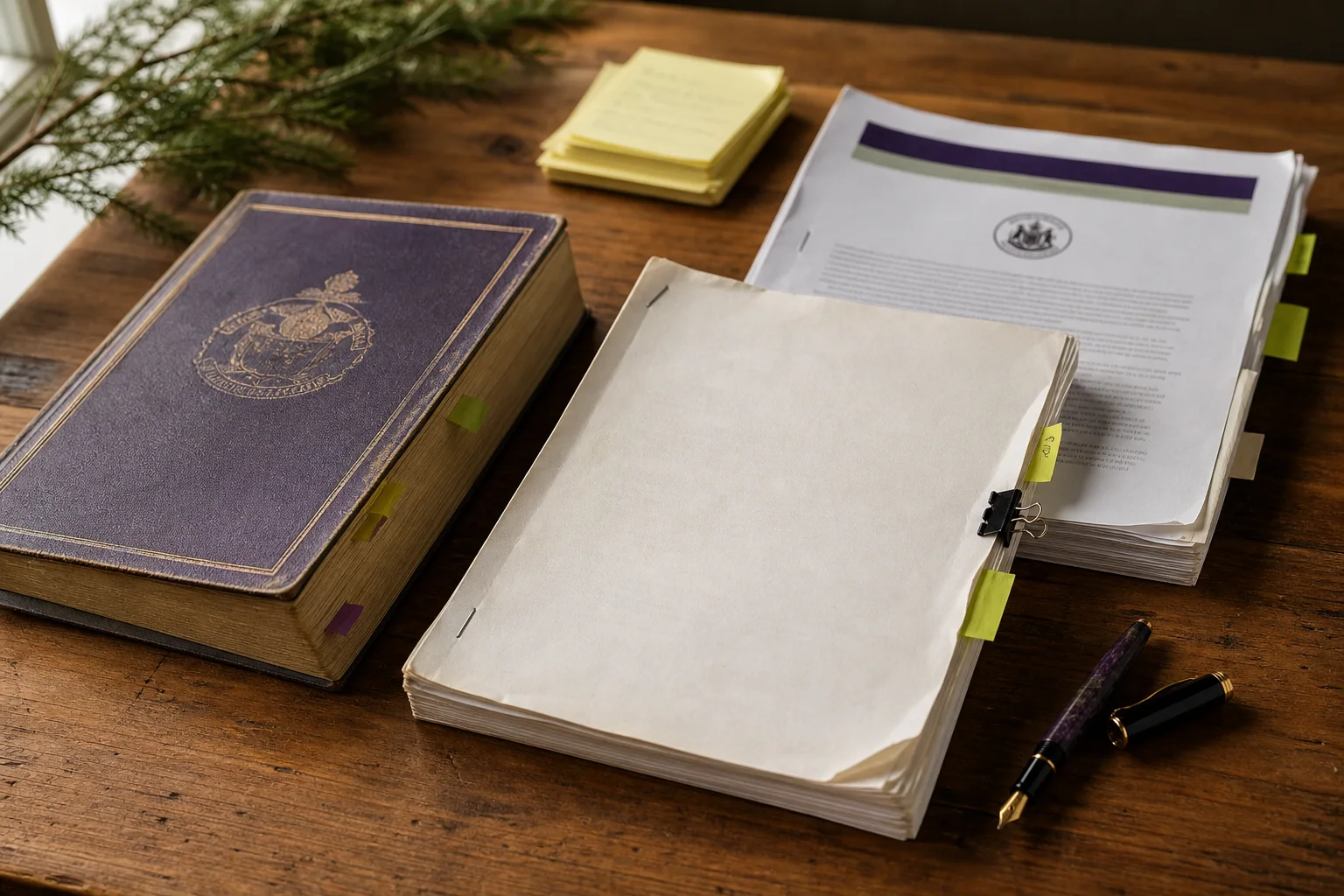
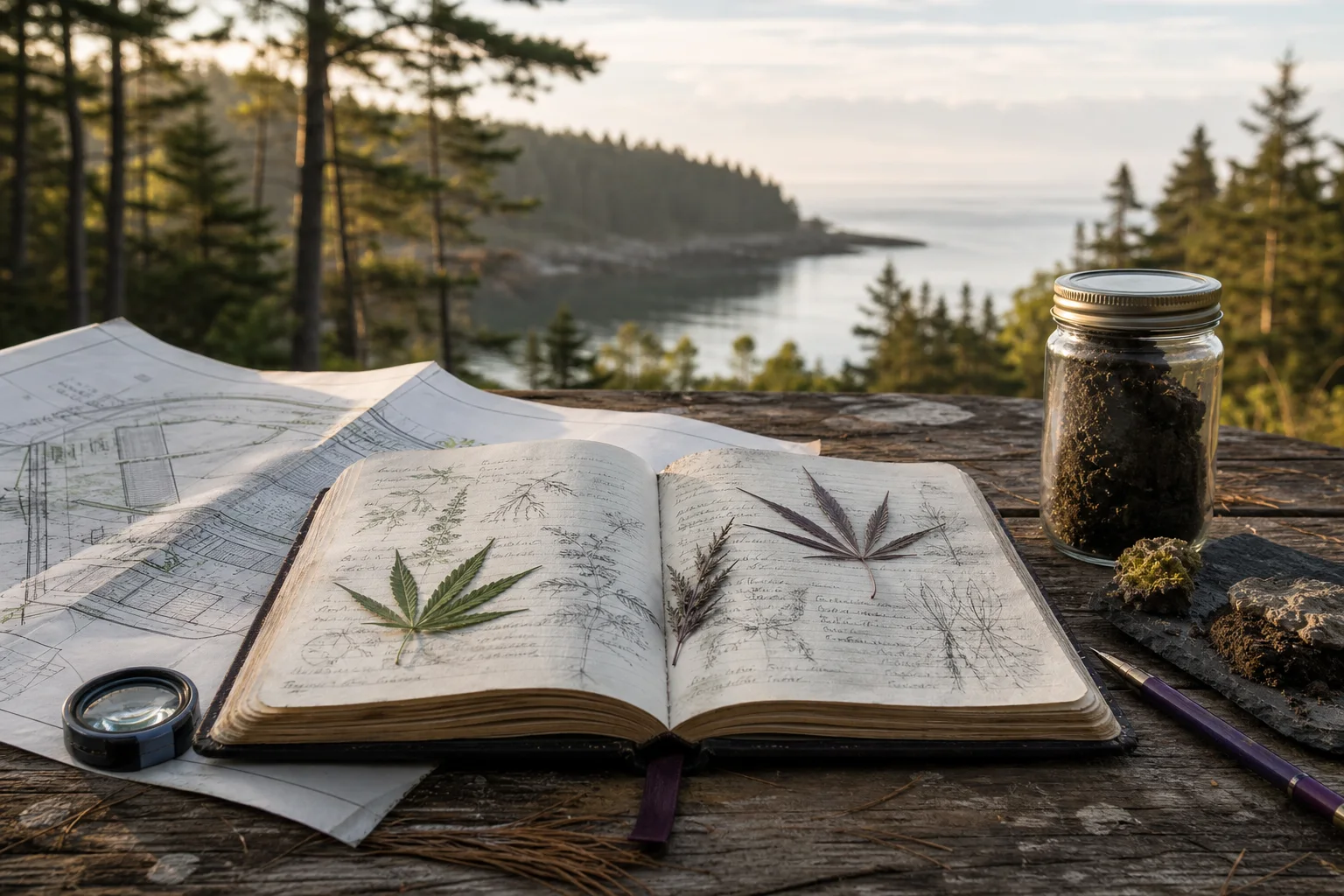
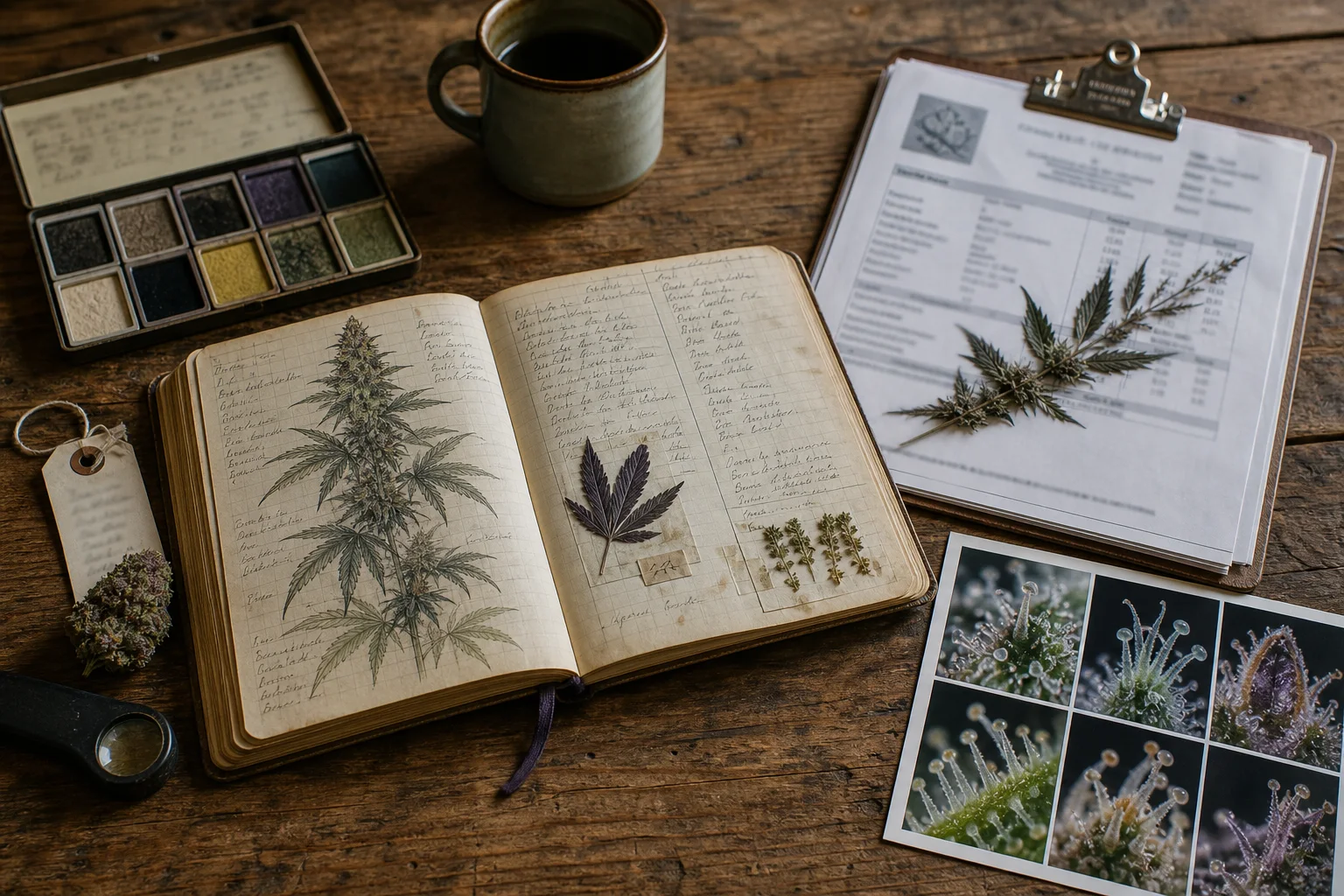
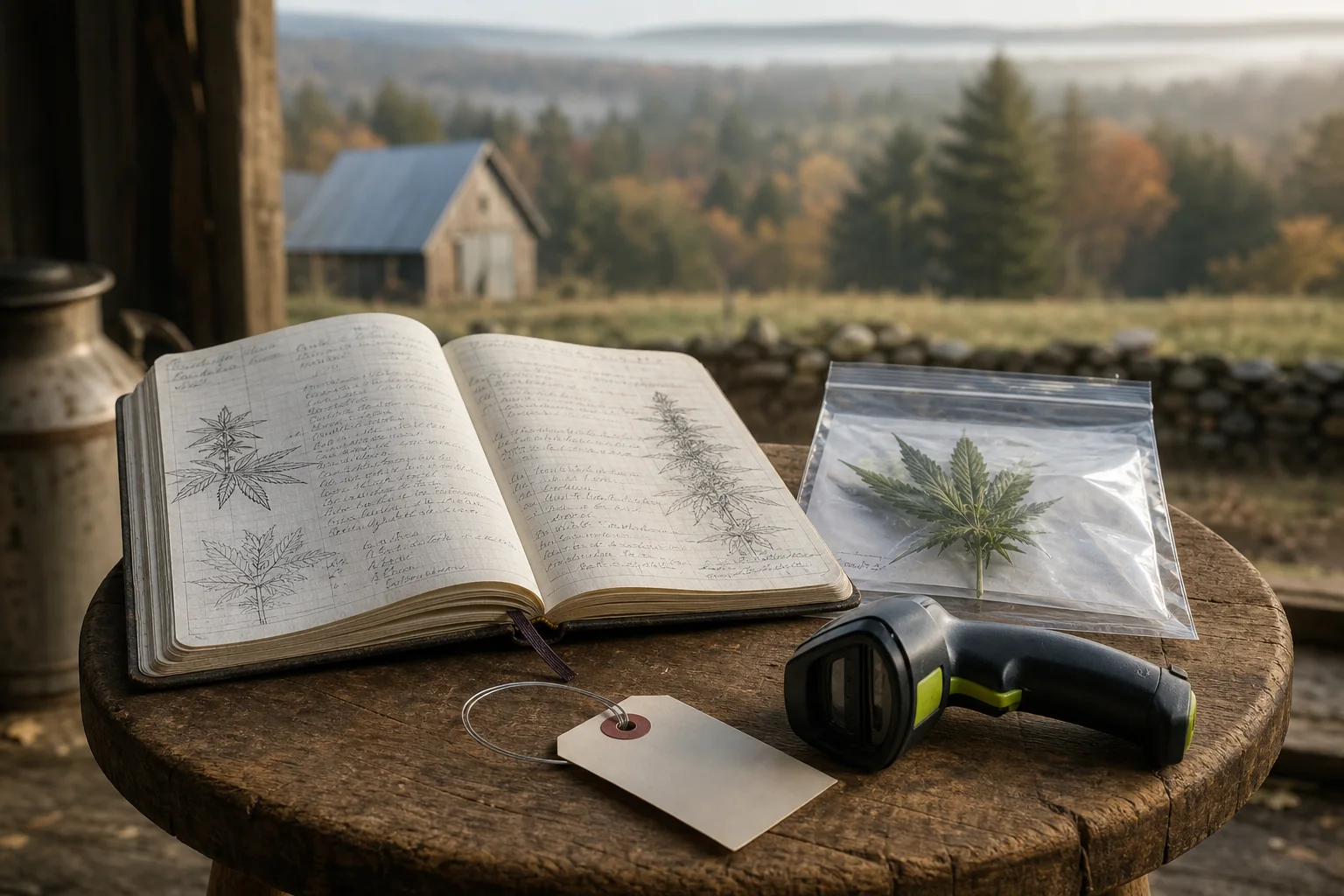
Advent of Mainezilla Gardens (A) is a living, dated field ledger: a curated template and its first public installment that will be amended each time new observations, provenance notes, or regulatory changes require an update. The entry is intentionally chronological and preservational — every observation is dated, anchored to a preservation method, and cross‑referenced to the statutory and rule guidance in force at the time. In Maine that backdrop currently includes the licensing and home‑cultivation provisions of Title 28‑B and the Office of Cannabis Policy (OCP) rule sets for adult use and medical programs. Those statutes and rules frame what licensed operators must record and what municipal and home growers should watch for when keeping provenance notes.
This is not a how‑to that promises outcomes, and it is not legal advice. Think of the ledger as educational field notes: a consistent way to make future comparisons possible, to preserve context, and to show provenance for plants and samples produced in Maine.
Method: provenance, curation, and how to date an observation (scientific evidence)
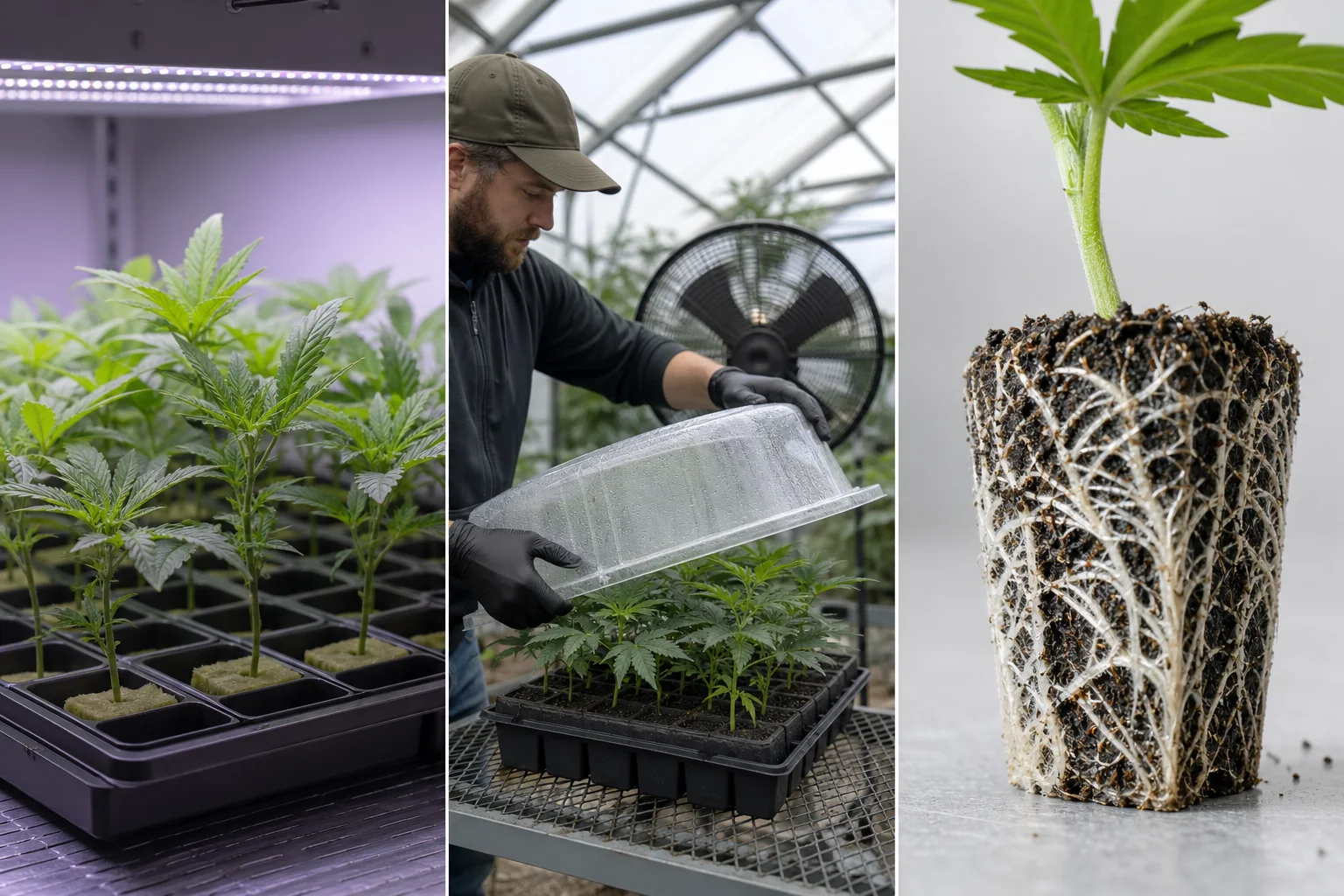
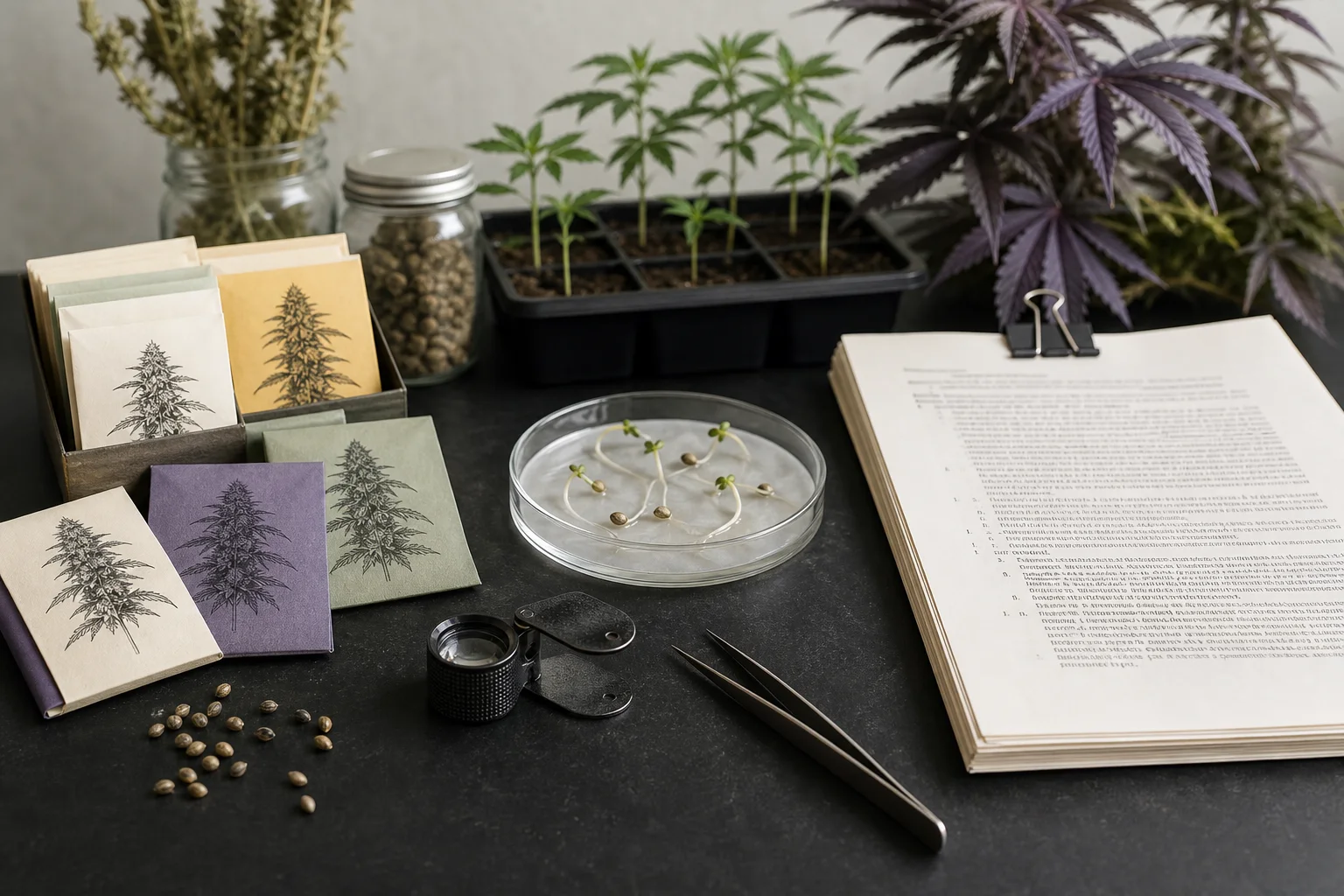
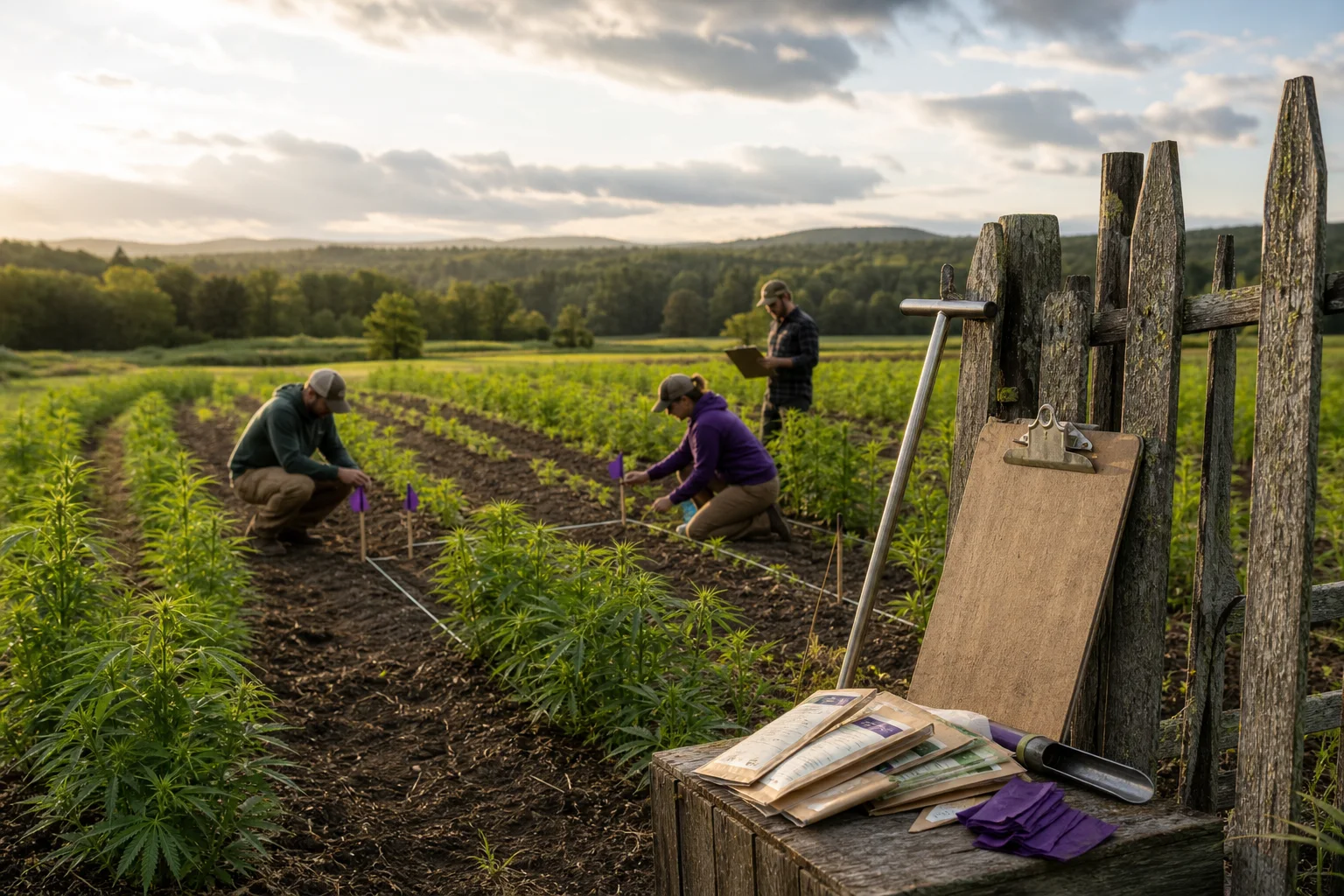
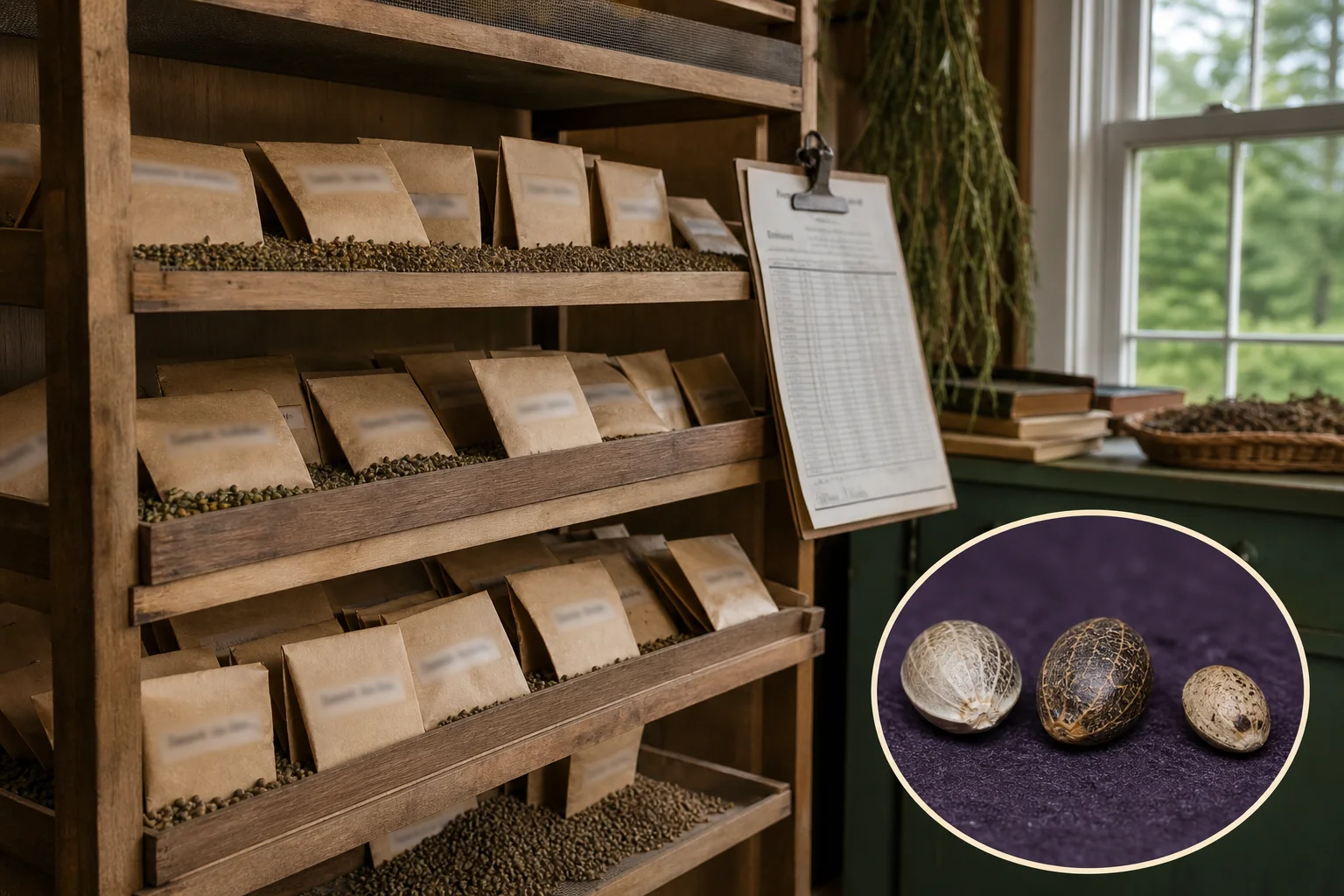
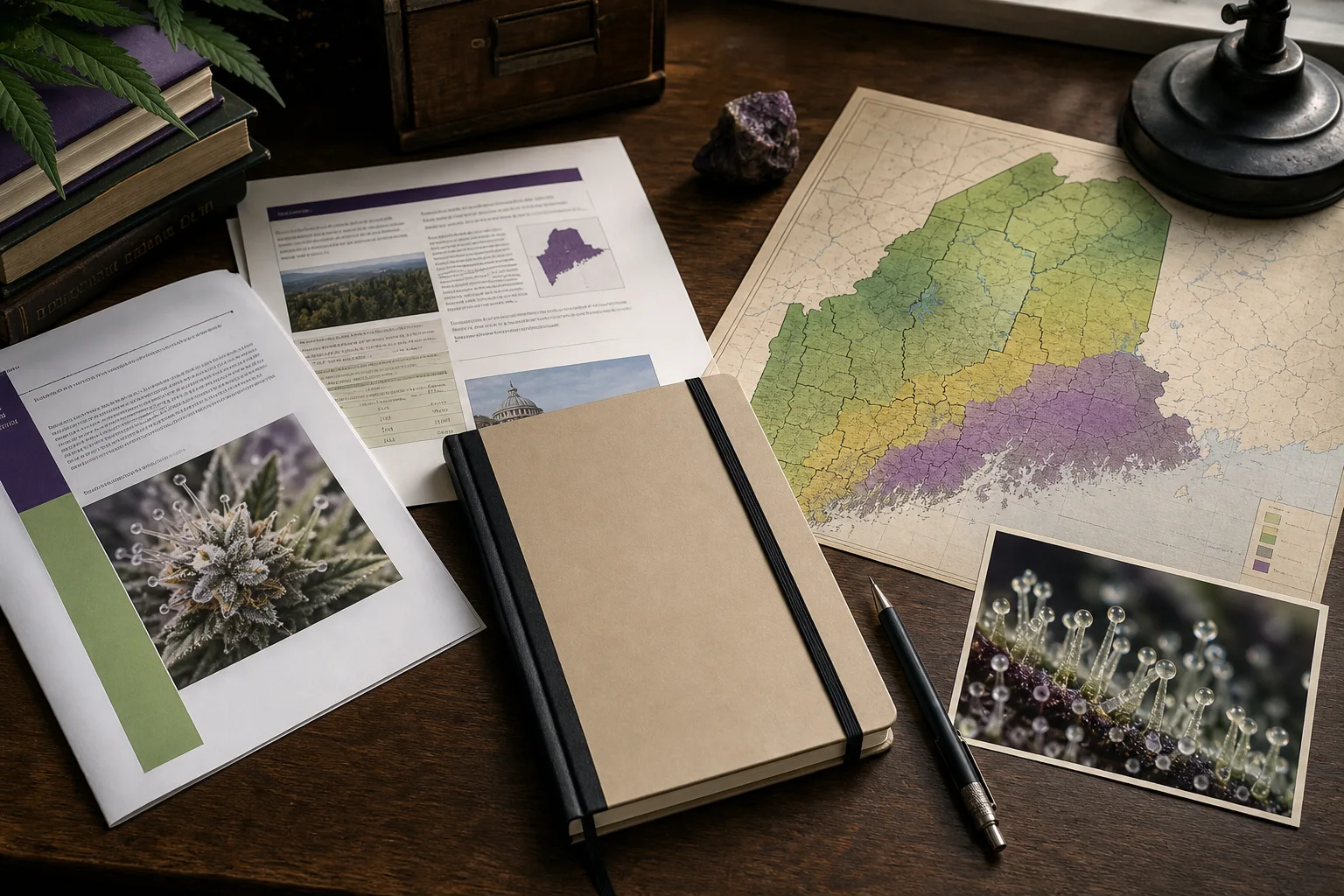
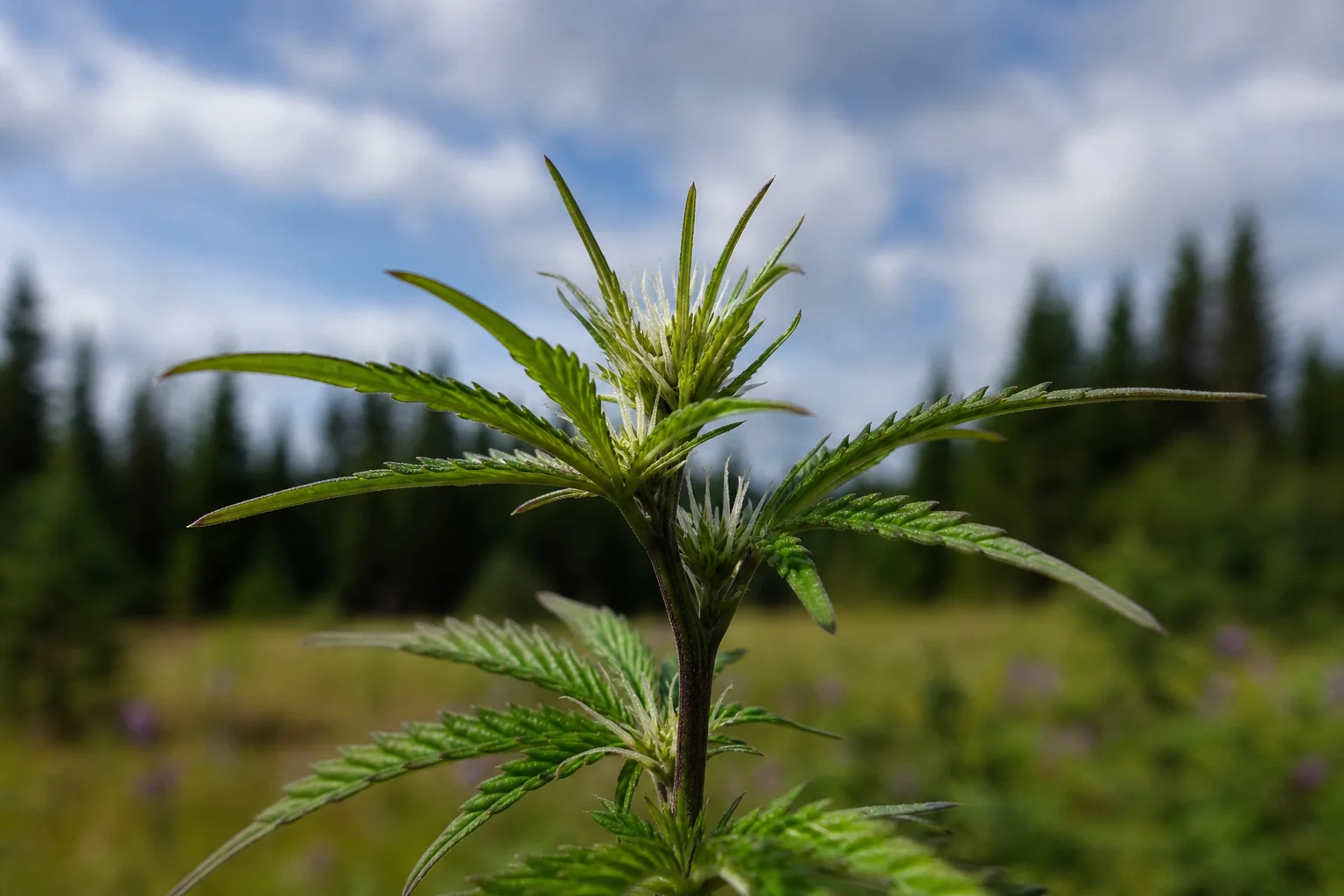
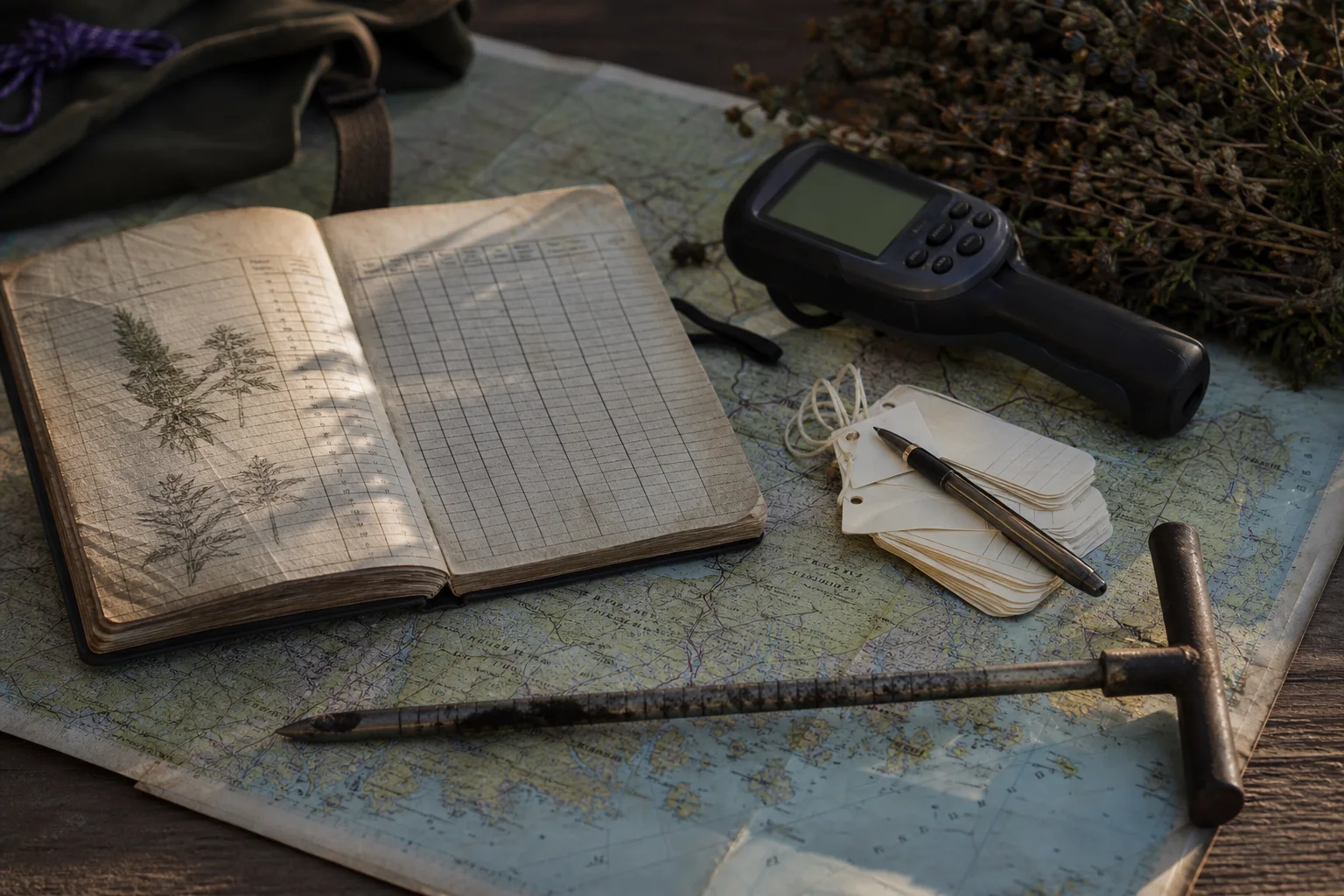
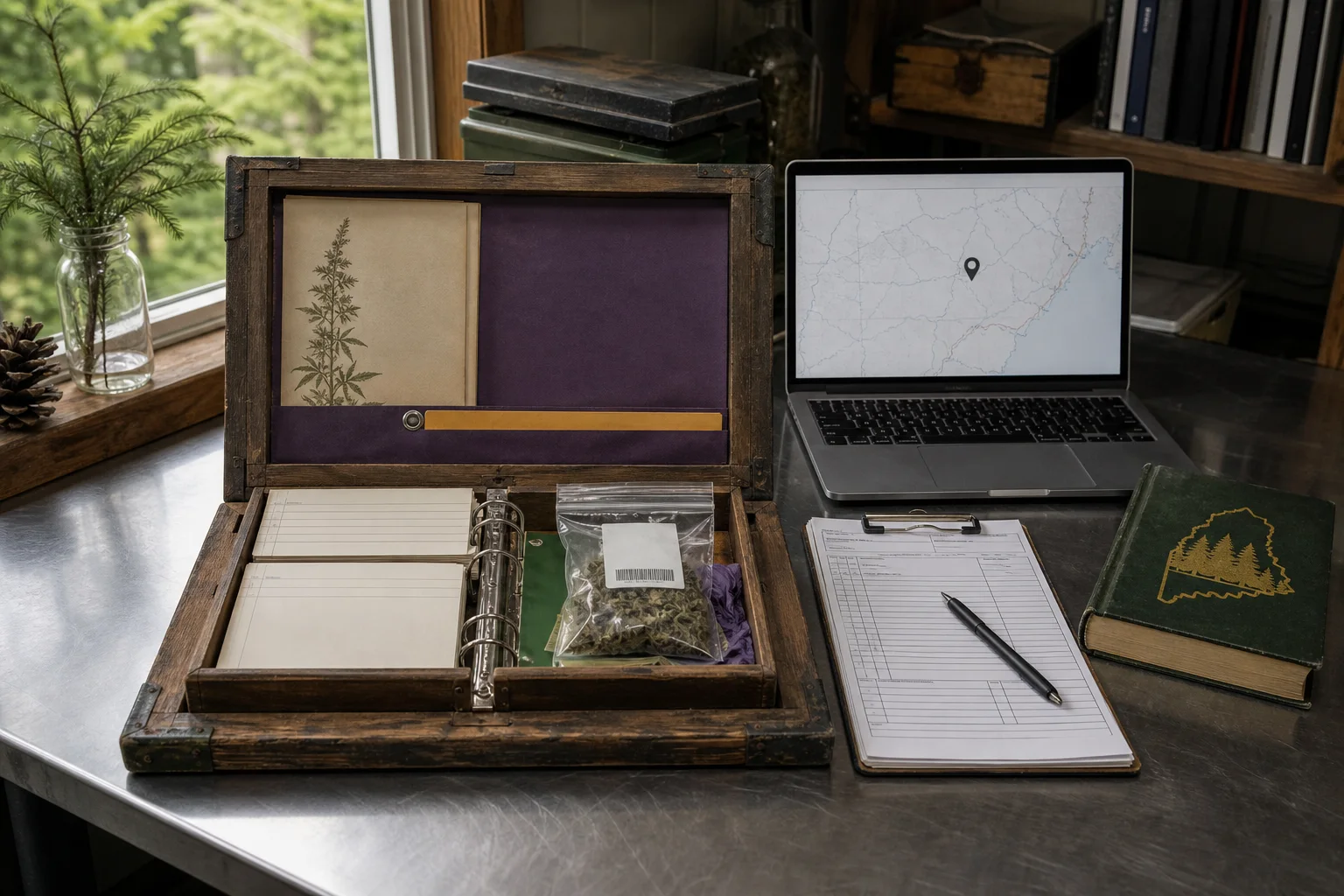
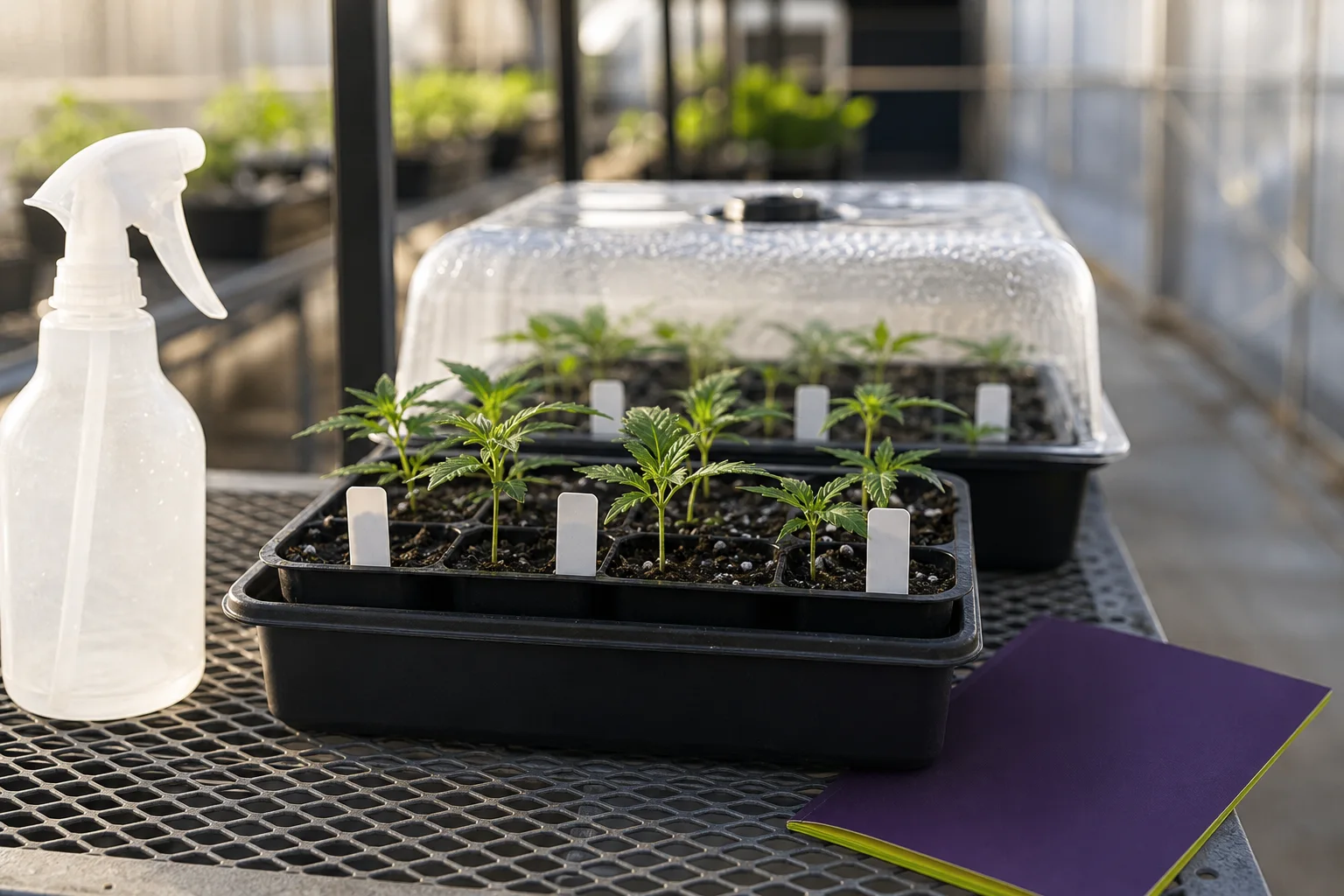
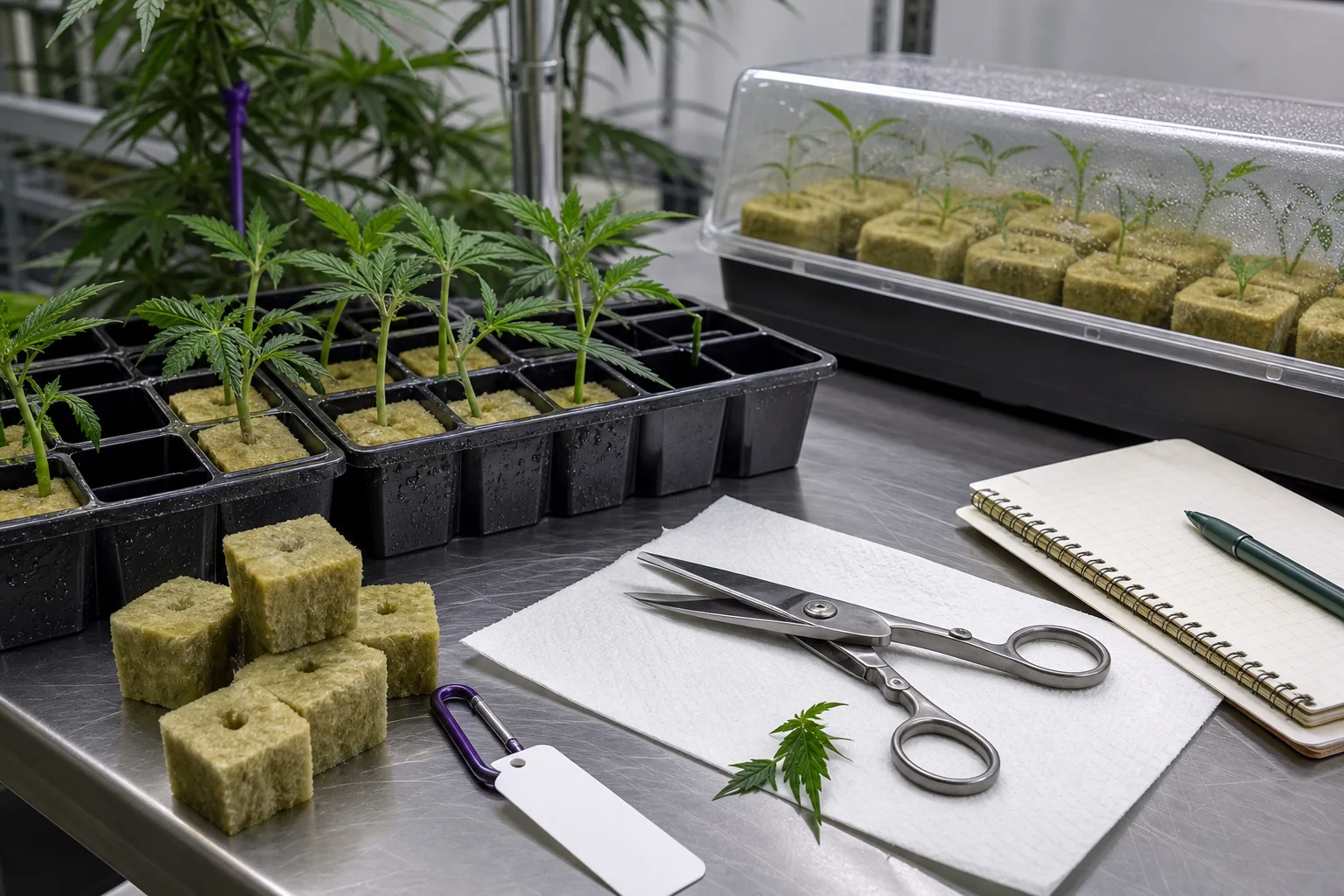
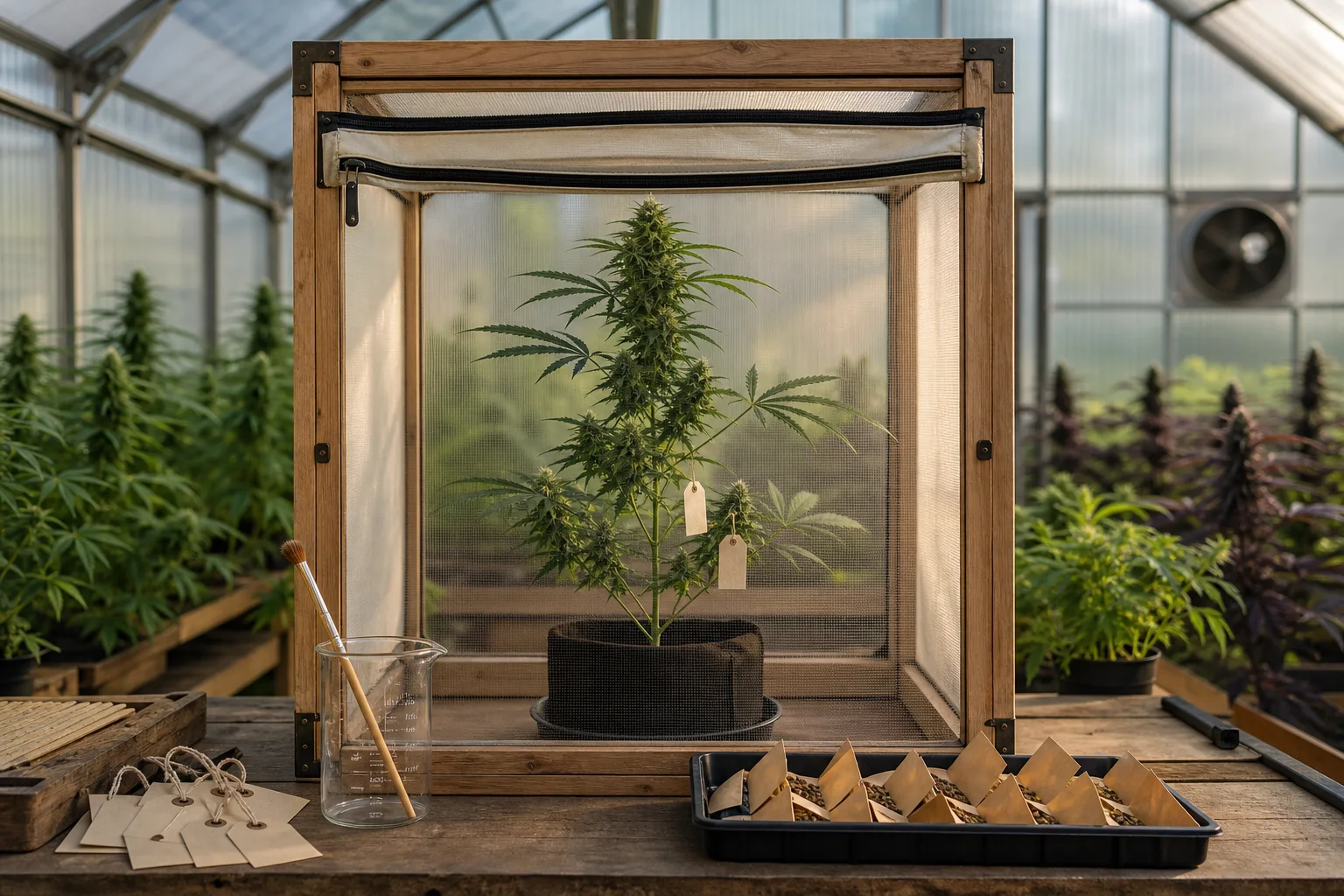
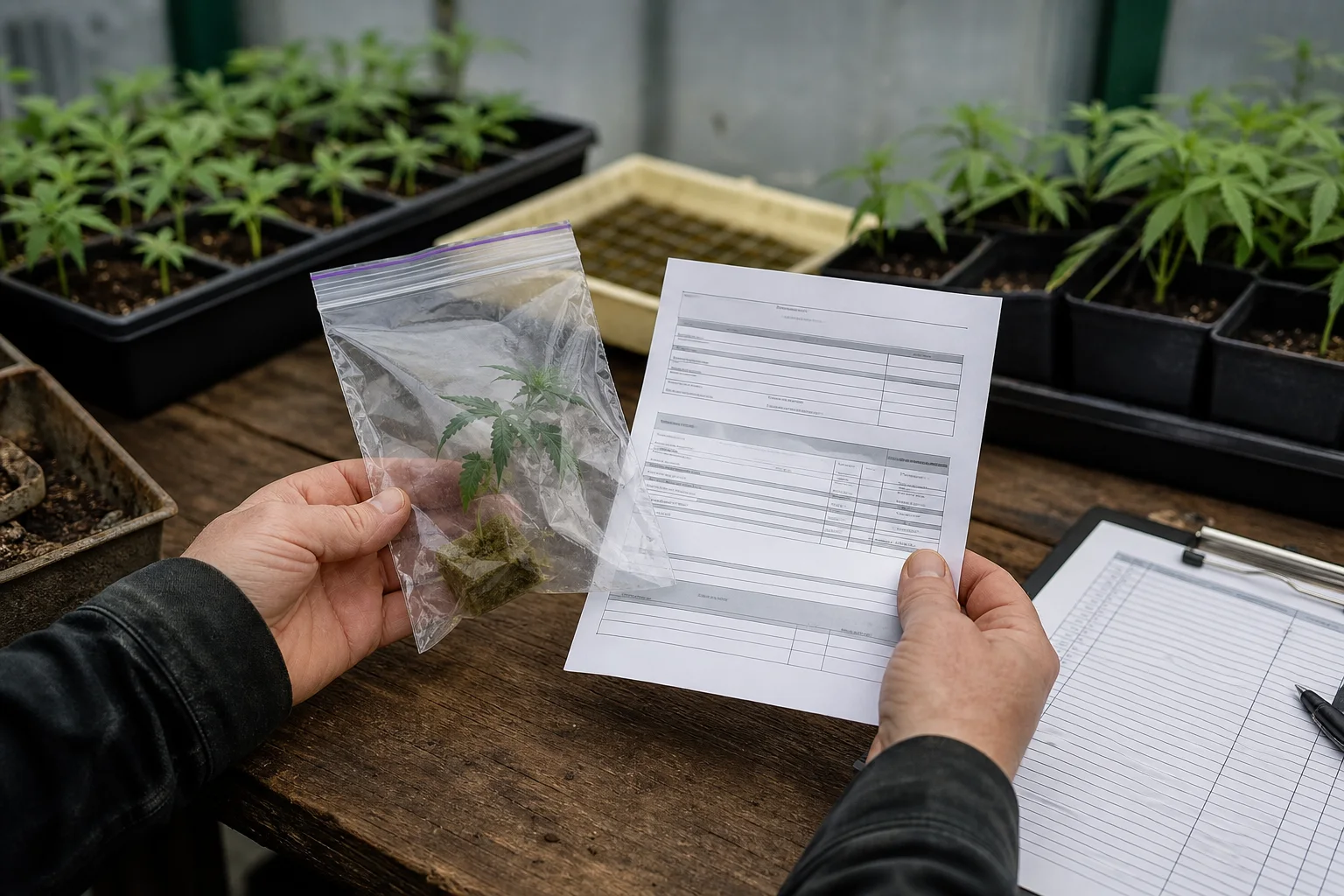
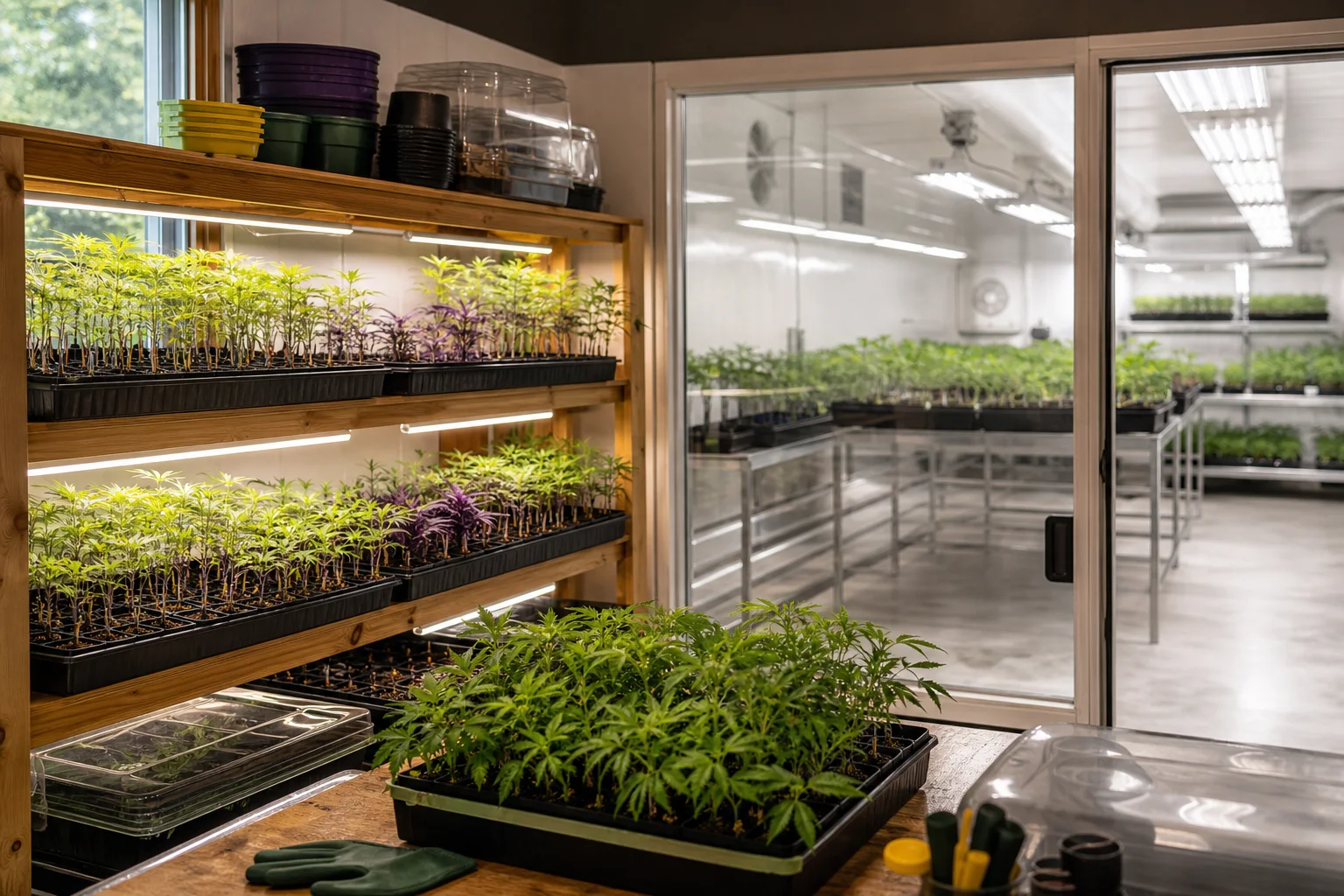
A living field ledger needs reproducible metadata. Provenance begins at the biological source: seed or cutting origin, breeder or supplier attestations, mother plant and lot identifiers, propagation method, and the nursery timeline. Every sample entry should record who propagated it, when, and from what mother or lot — in short, a chain of custody within the garden.
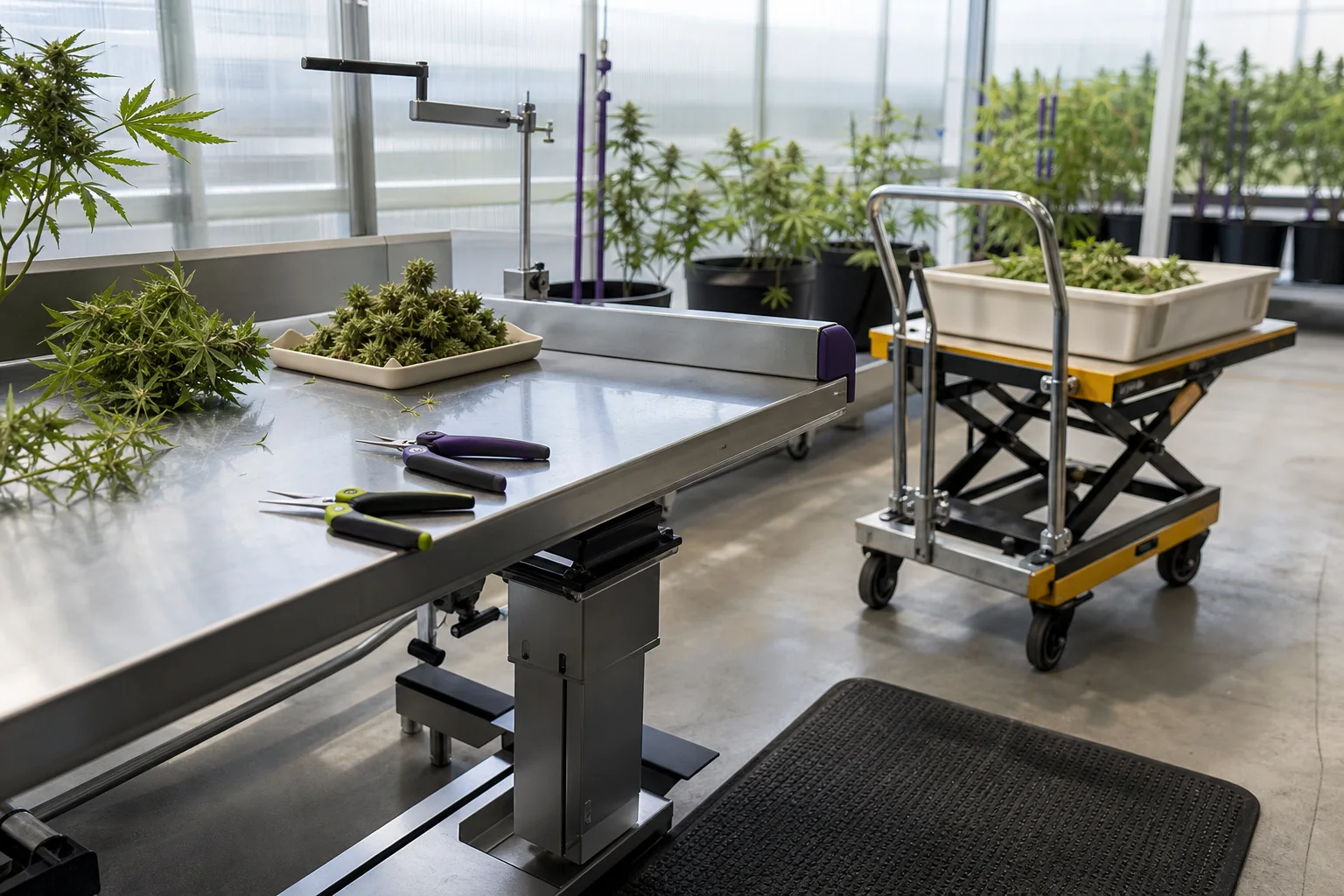
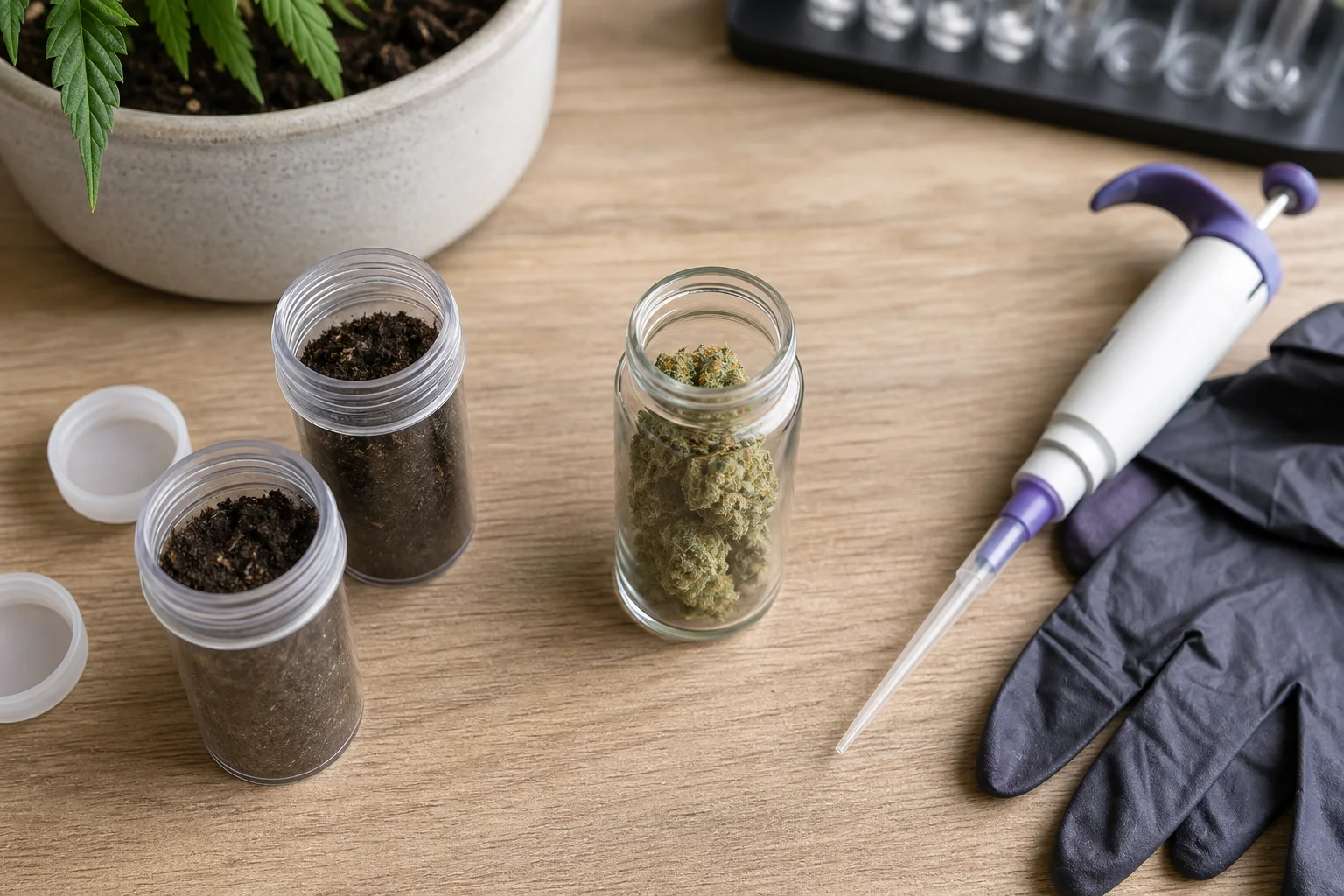
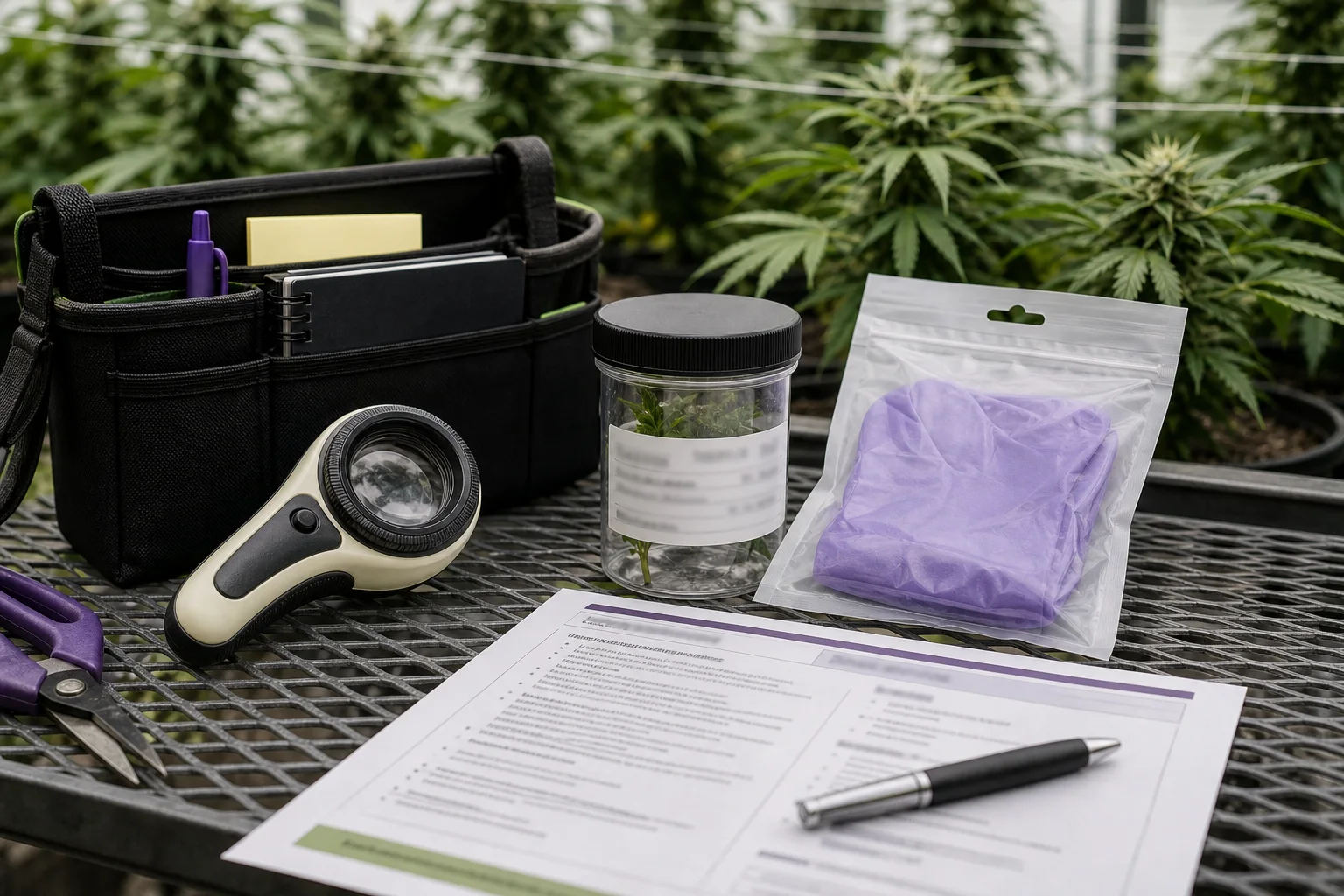
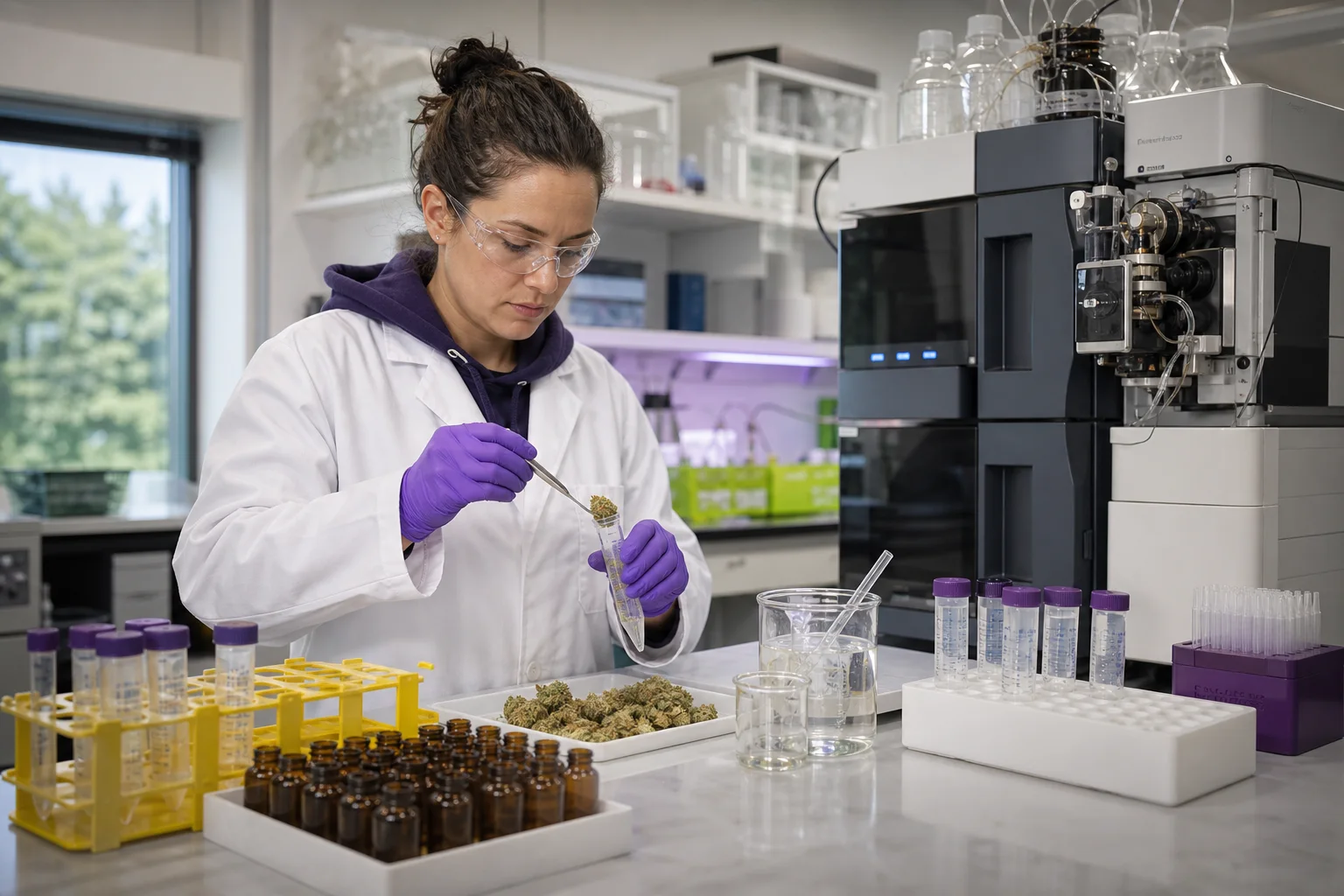
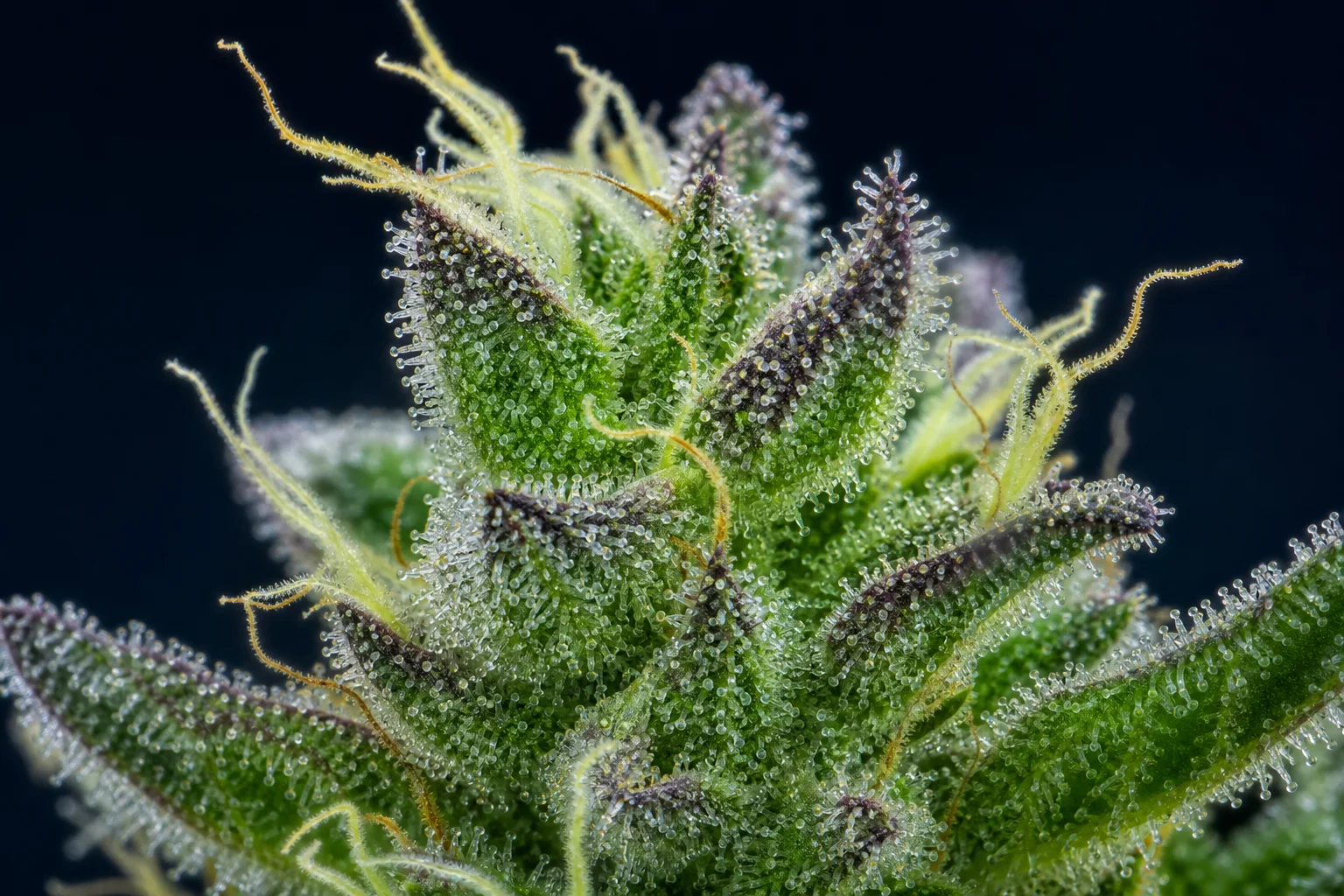
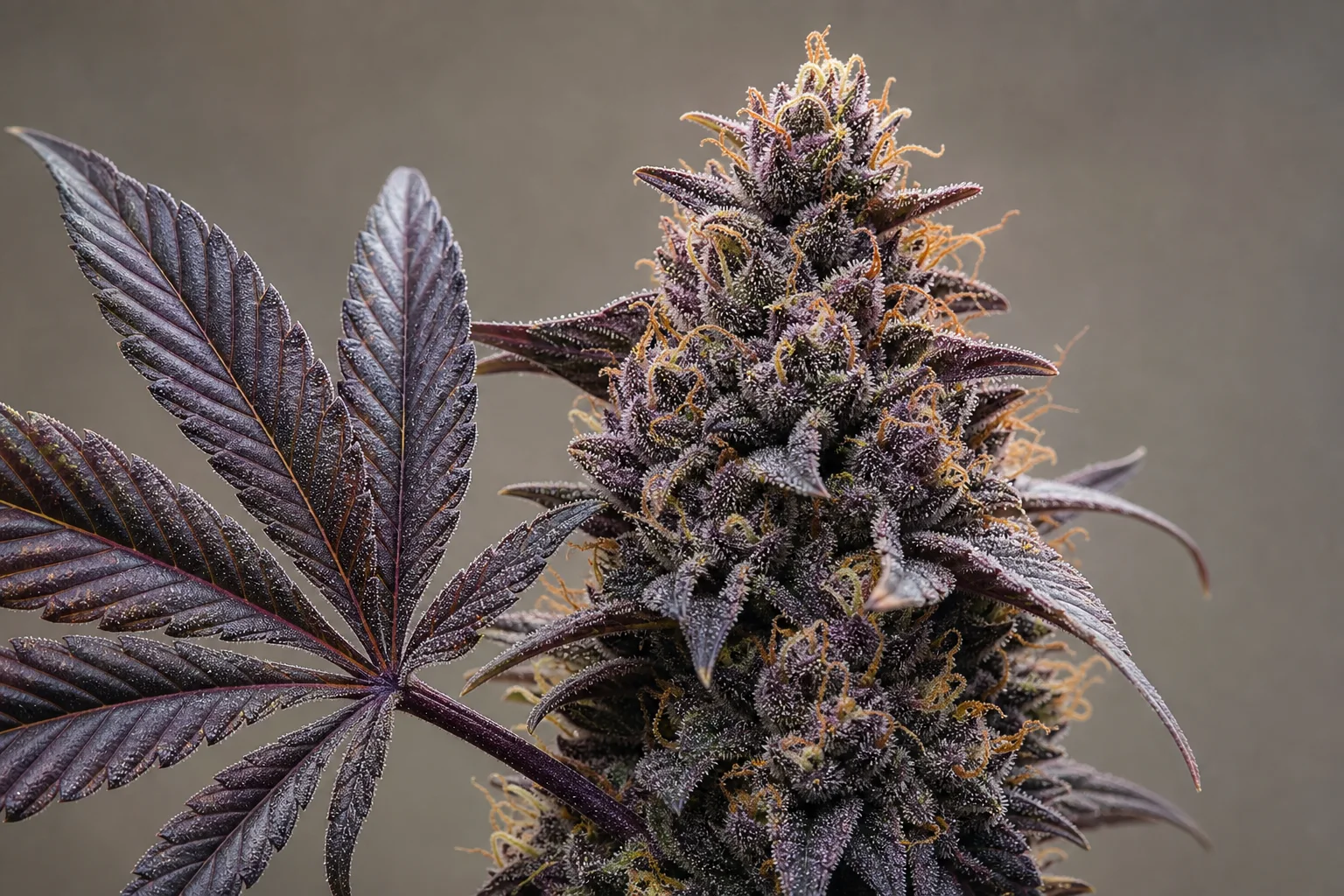
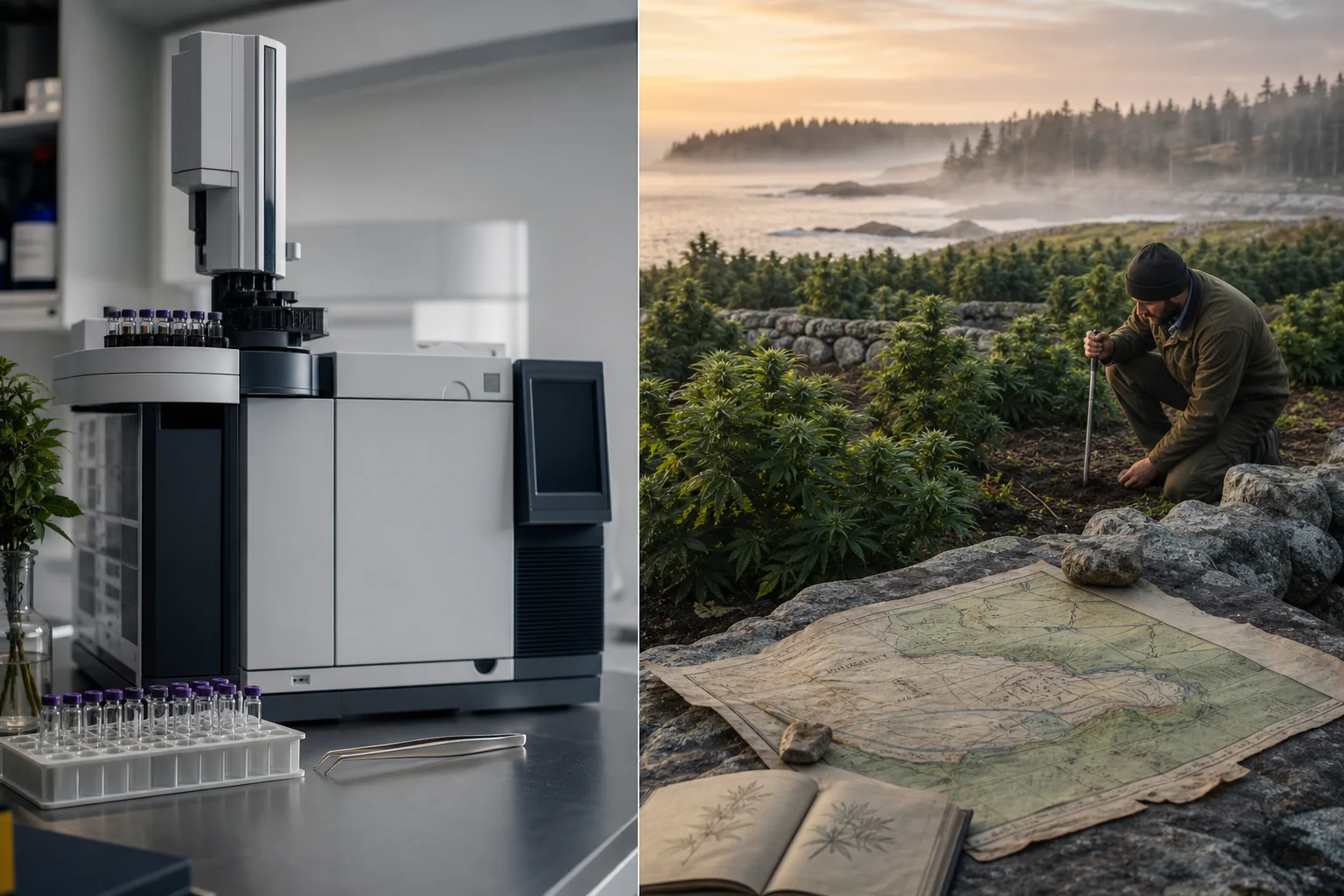
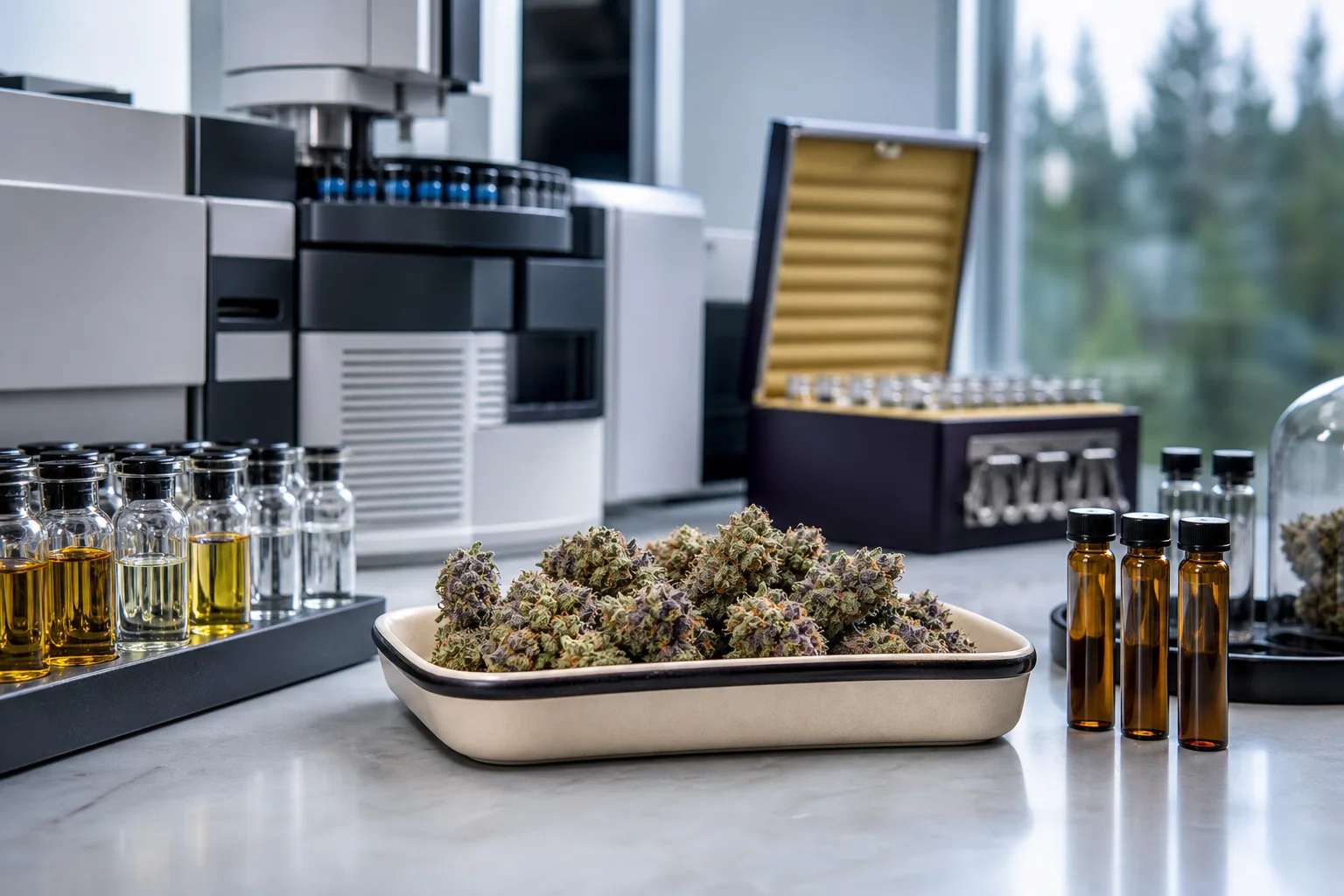
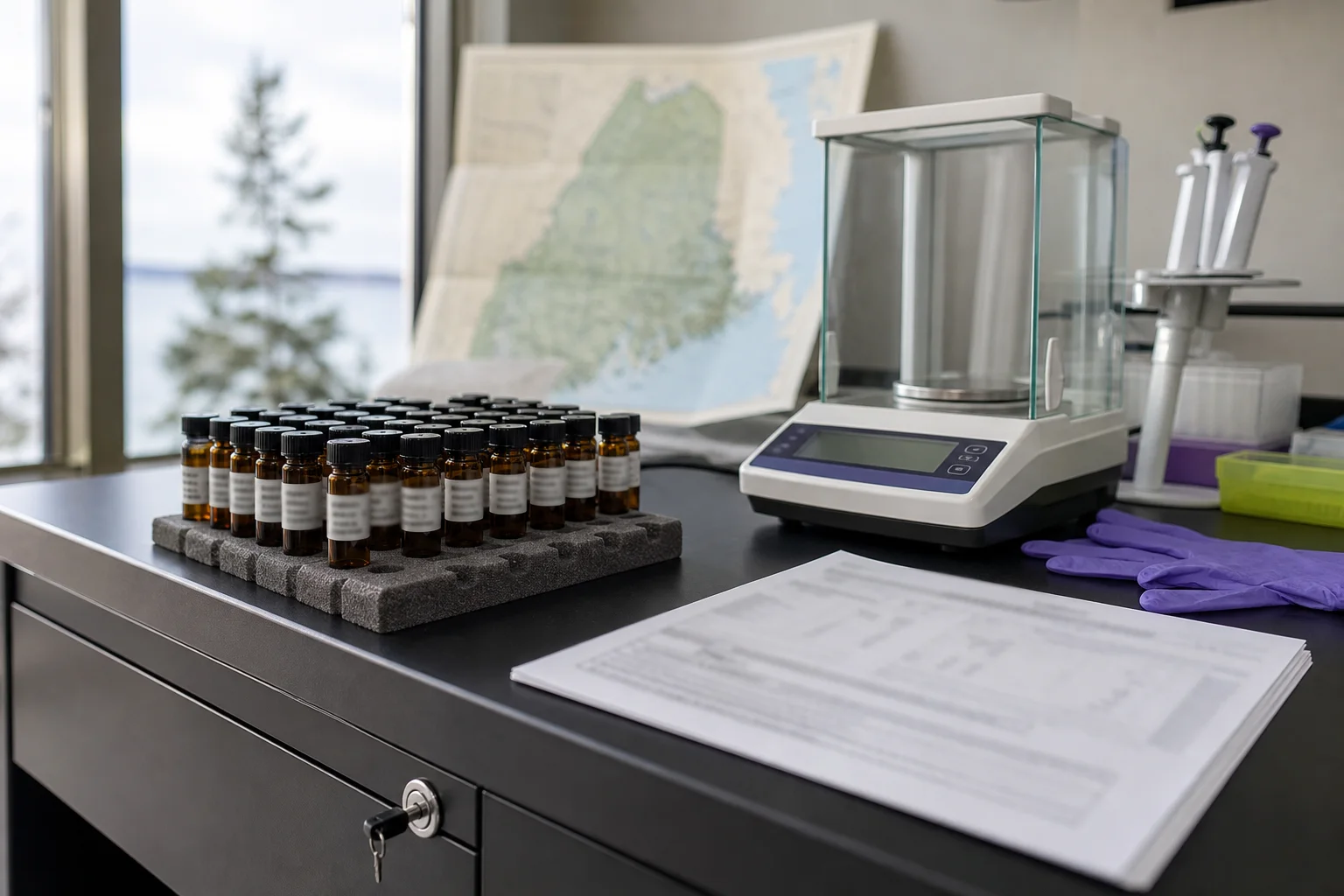
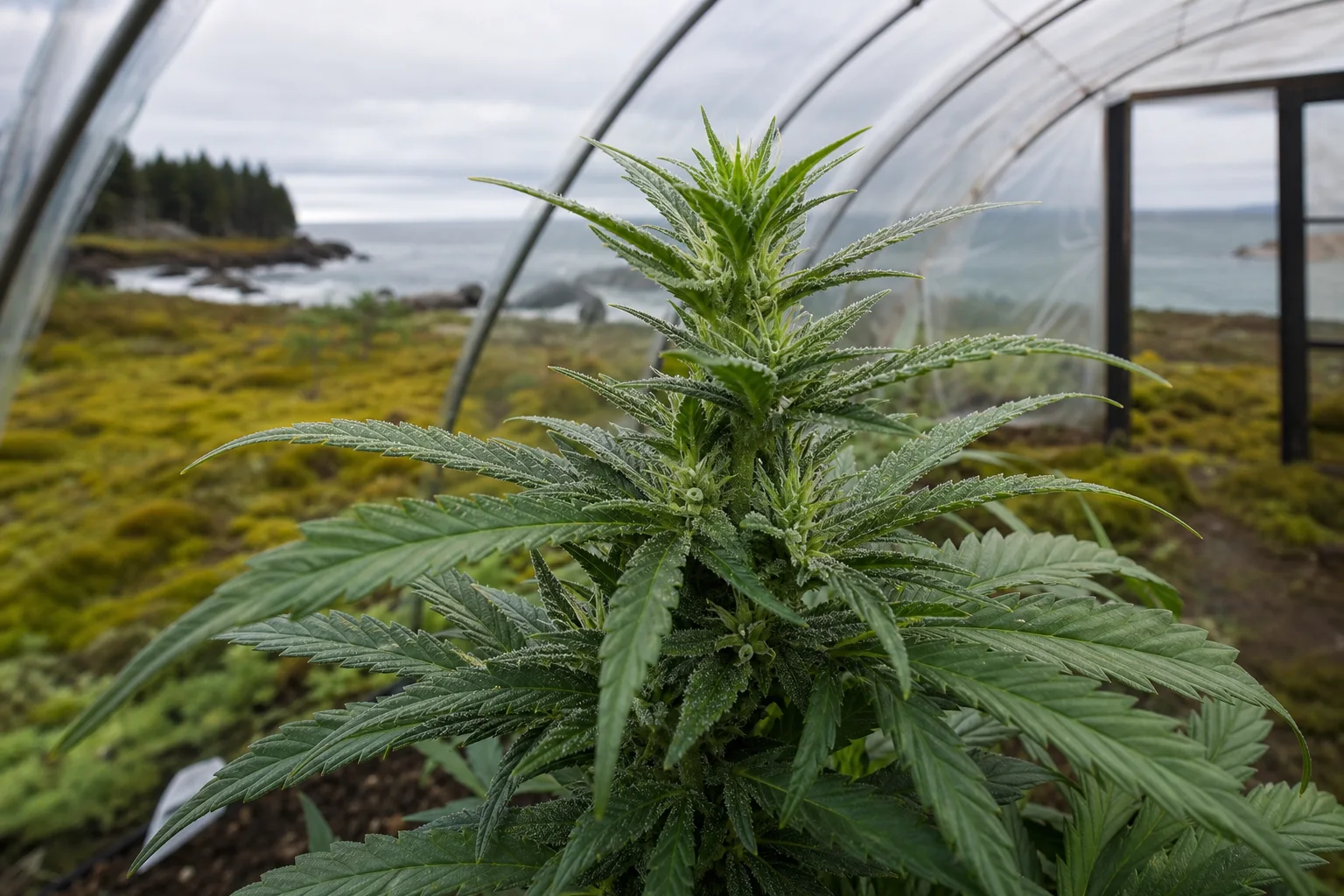
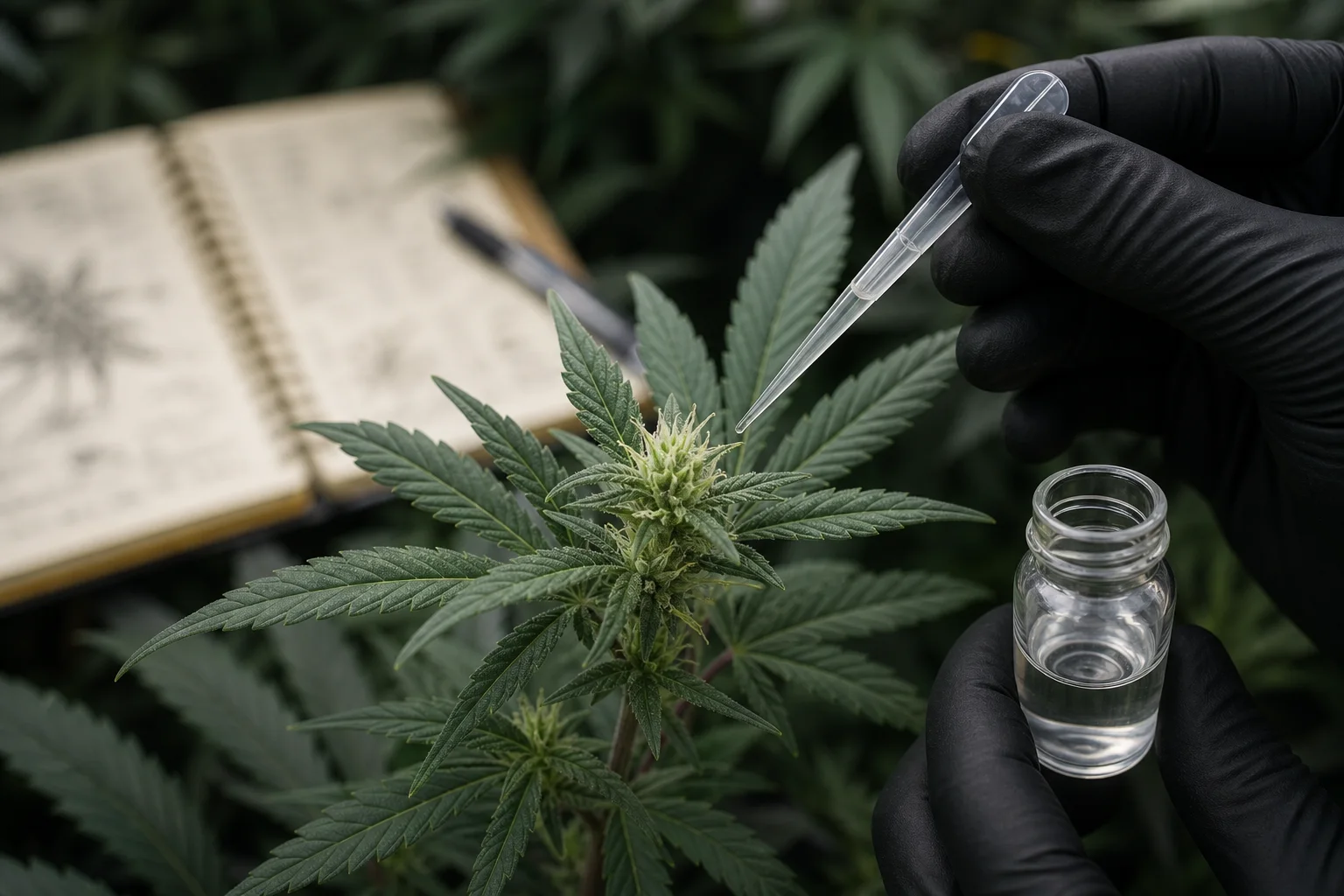
To make biological and chemical comparisons possible later, pair those provenance notes with a disciplined sampling method. Sample small, well‑documented whole inflorescences rather than loose crumbs. Note the immediate phenotype, the curing protocol used, and environmental conditions leading up to harvest. The scientific literature on postharvest stability tells us that storage temperature, light exposure, oxygen availability, and handling (for example grinding or heating) materially affect cannabinoid and terpene profiles. Storing whole inflorescences cold and dark preserves chemical signatures longer than poorly packaged or ground samples; extracts in stable solvents also show different stability properties than dried plant material. These are the measurable variables that your ledger should capture when you plan to compare samples across seasons or laboratories.
Postharvest practice, evidence limits, and making later comparisons meaningful
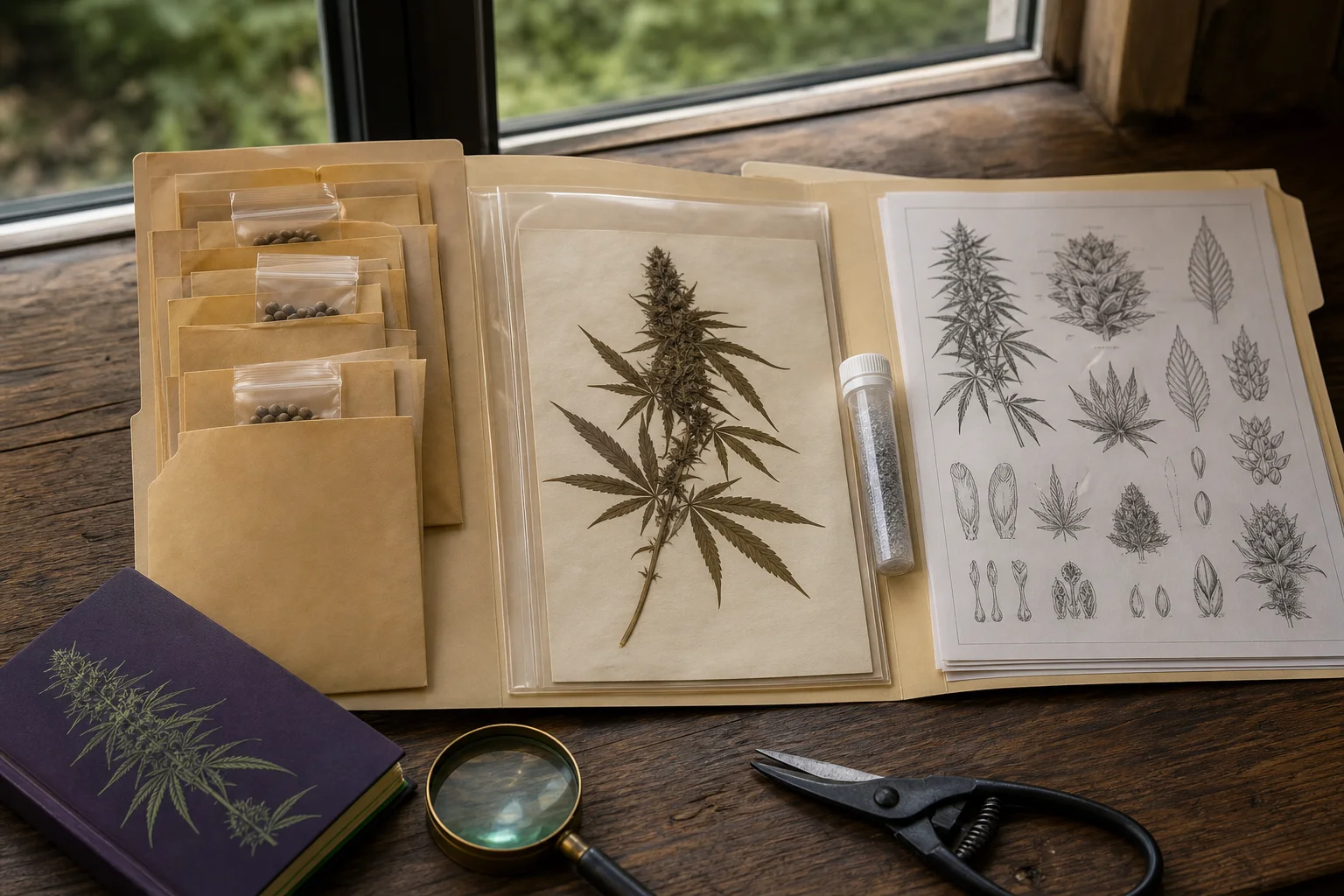
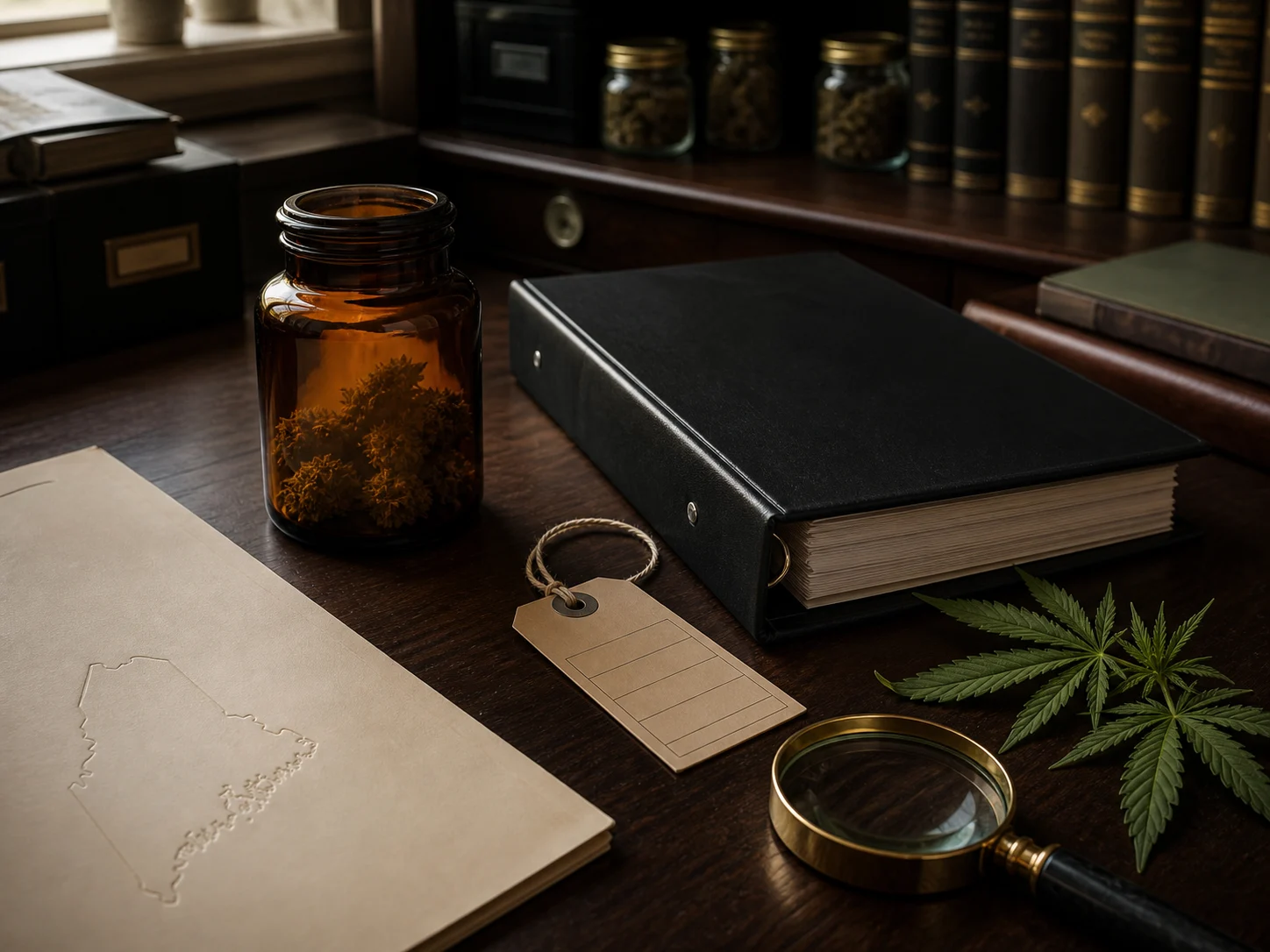
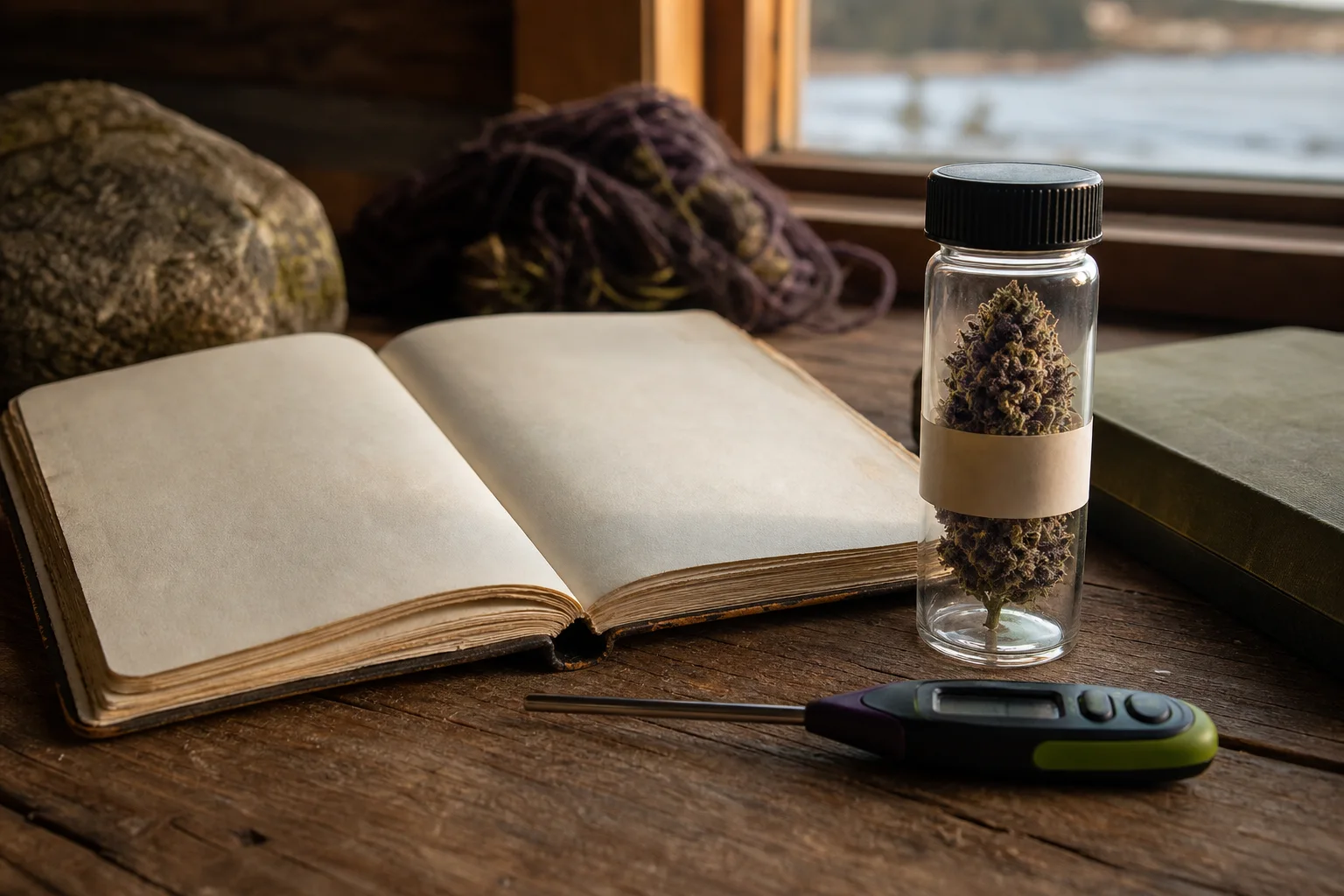
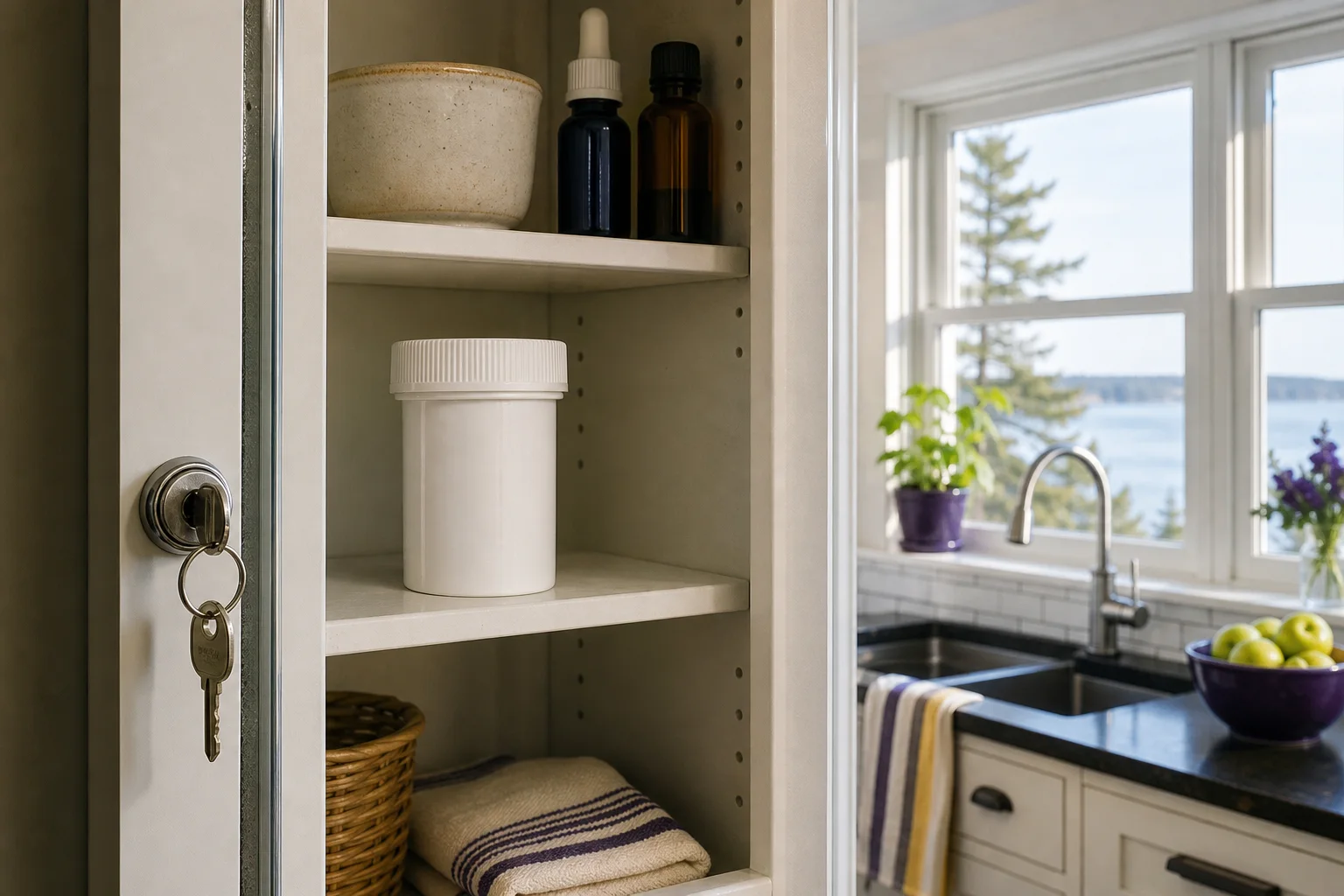
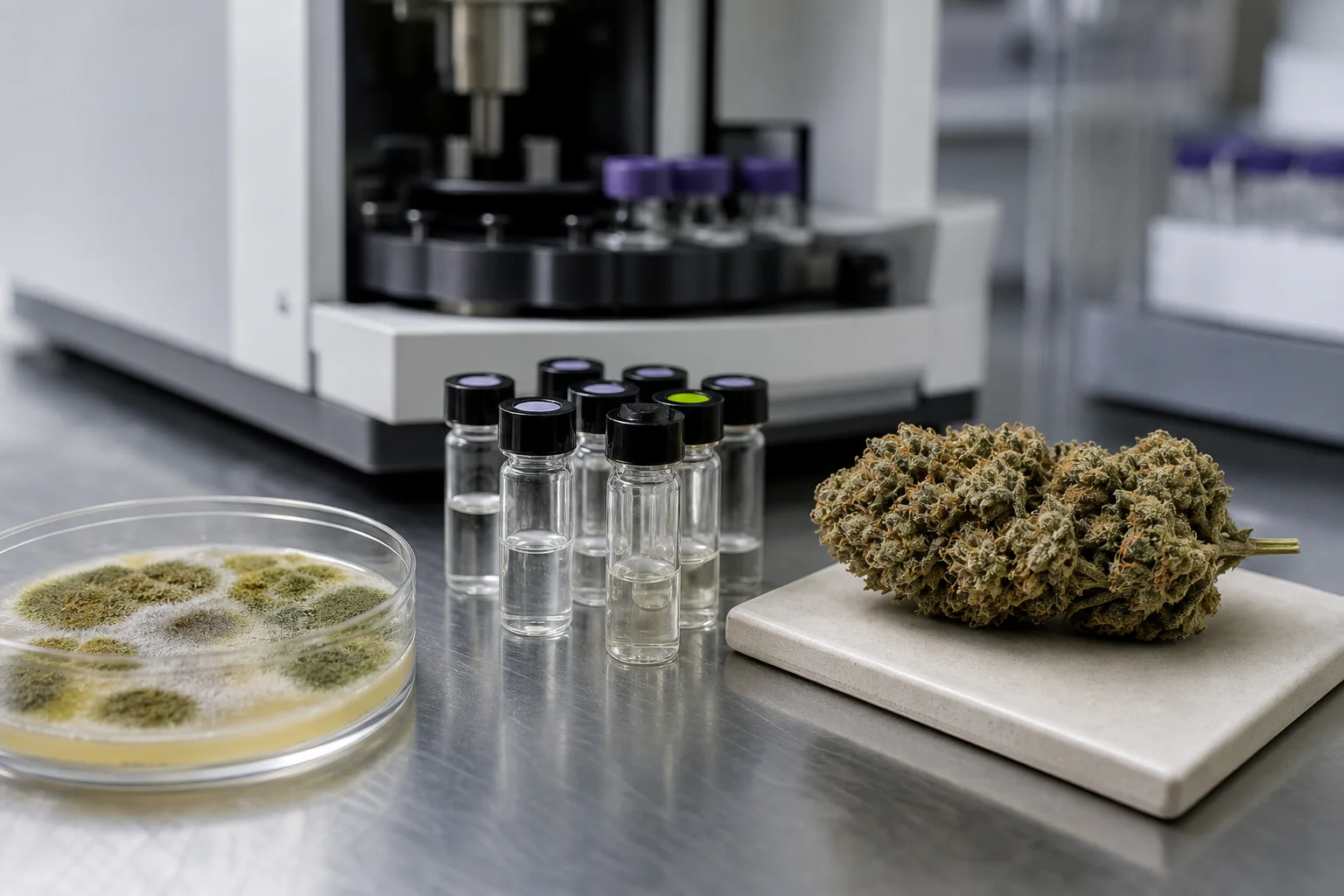
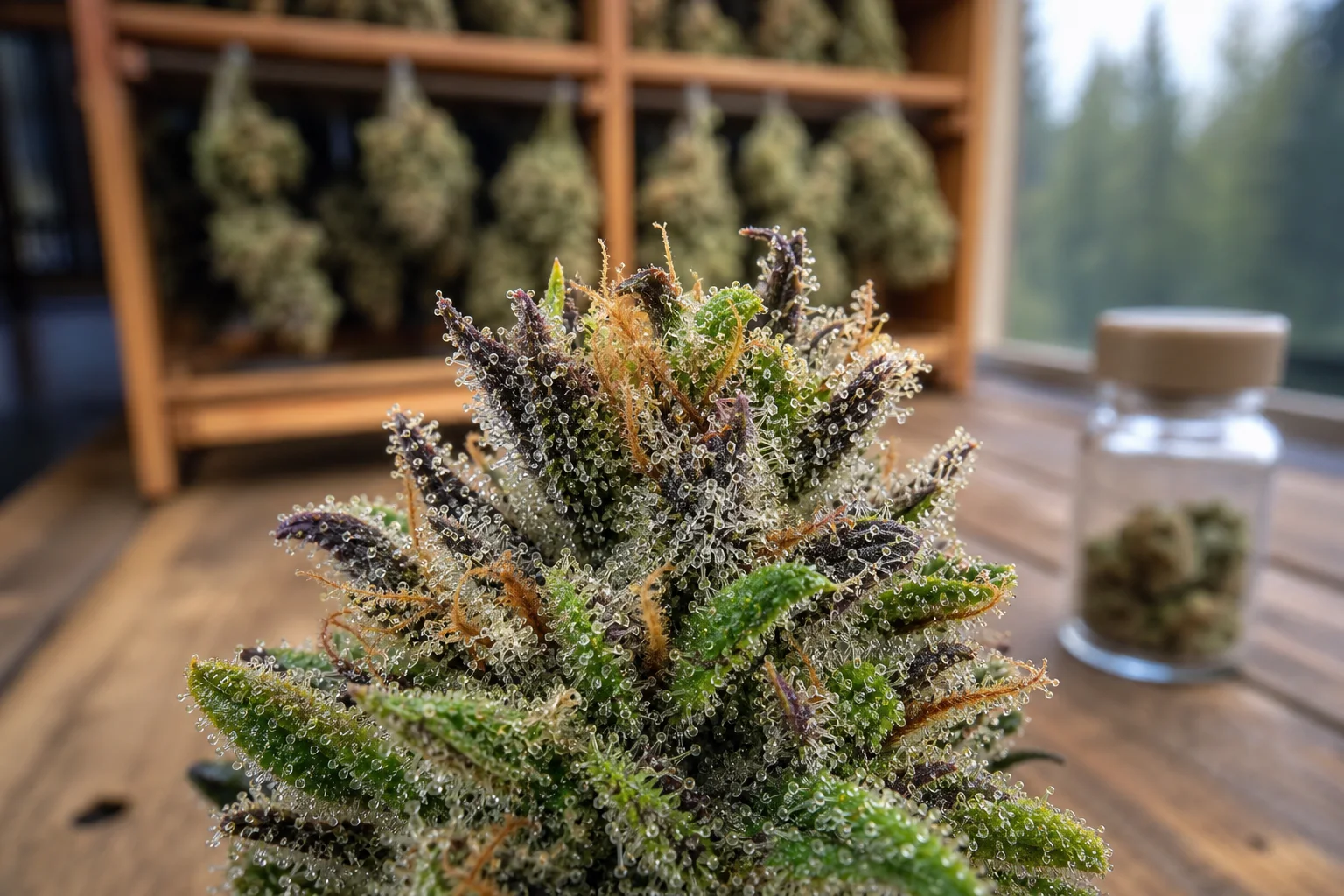
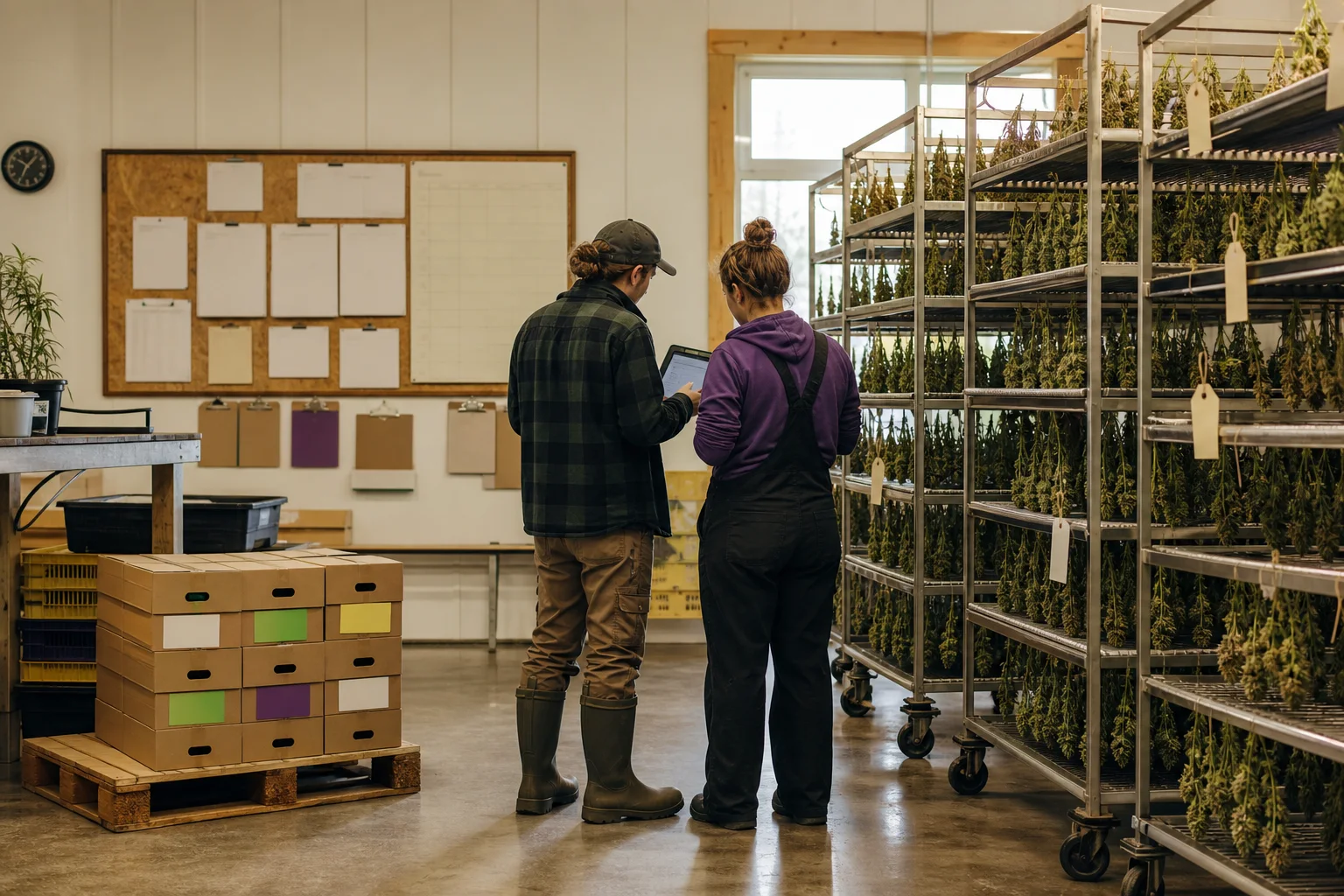
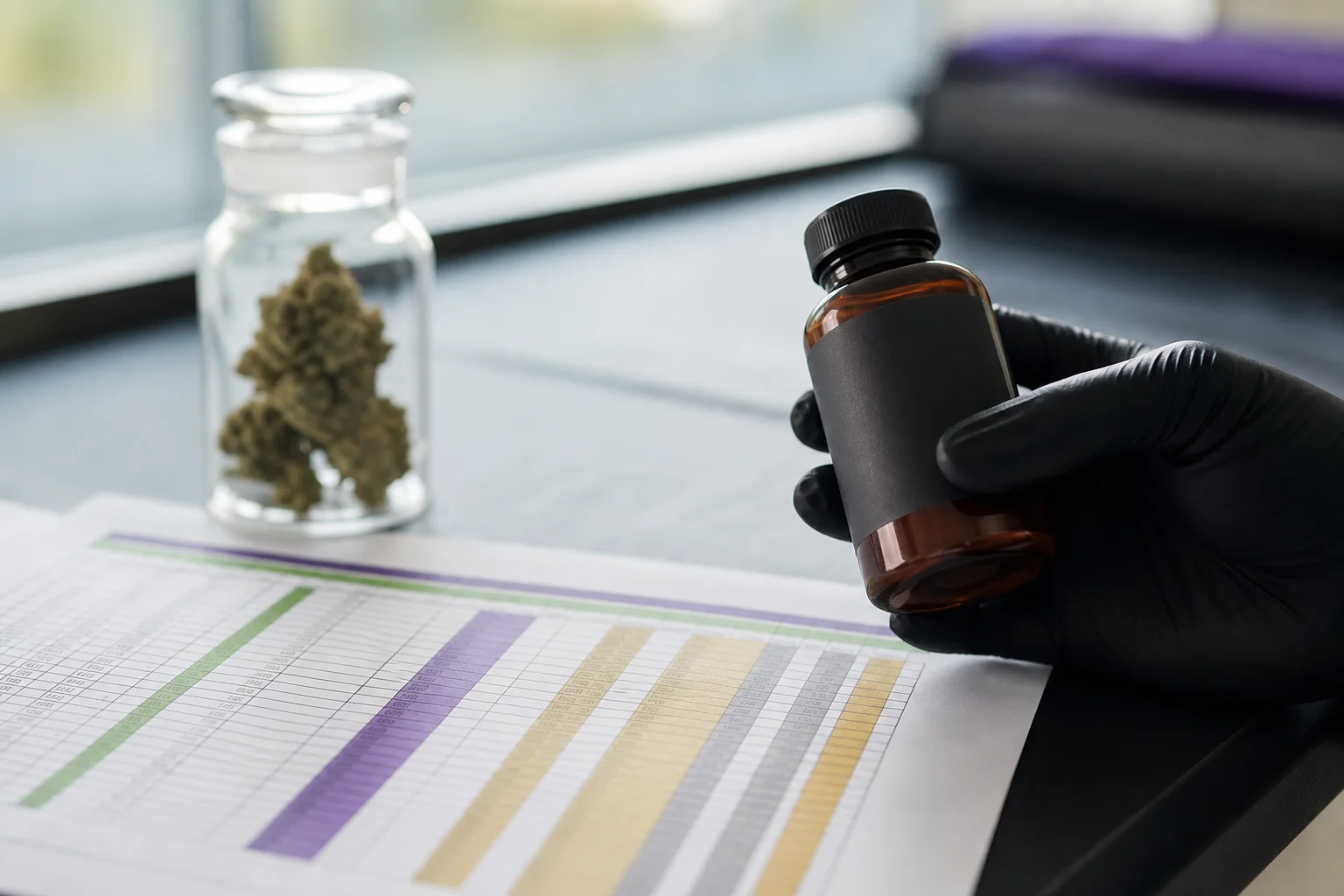
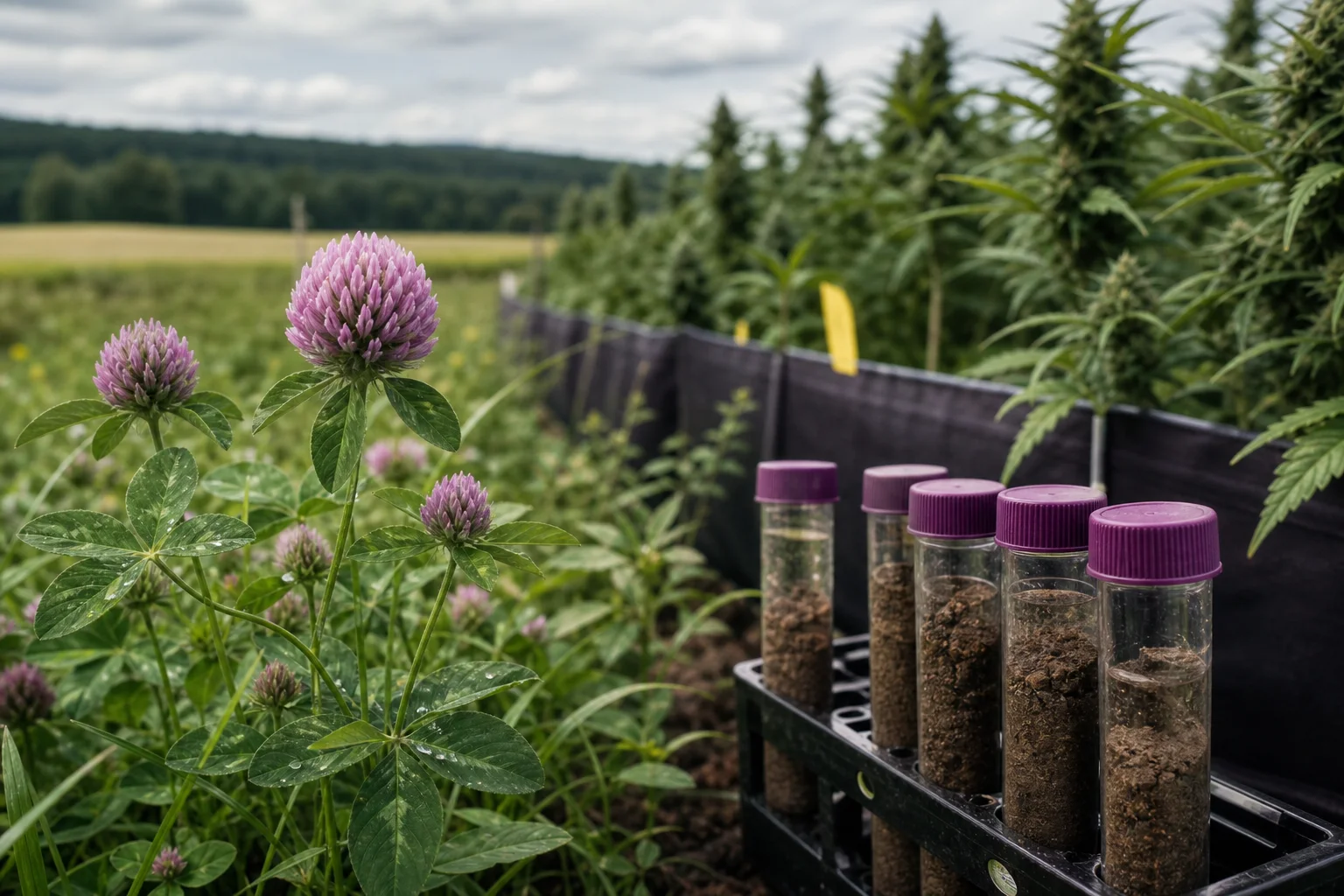
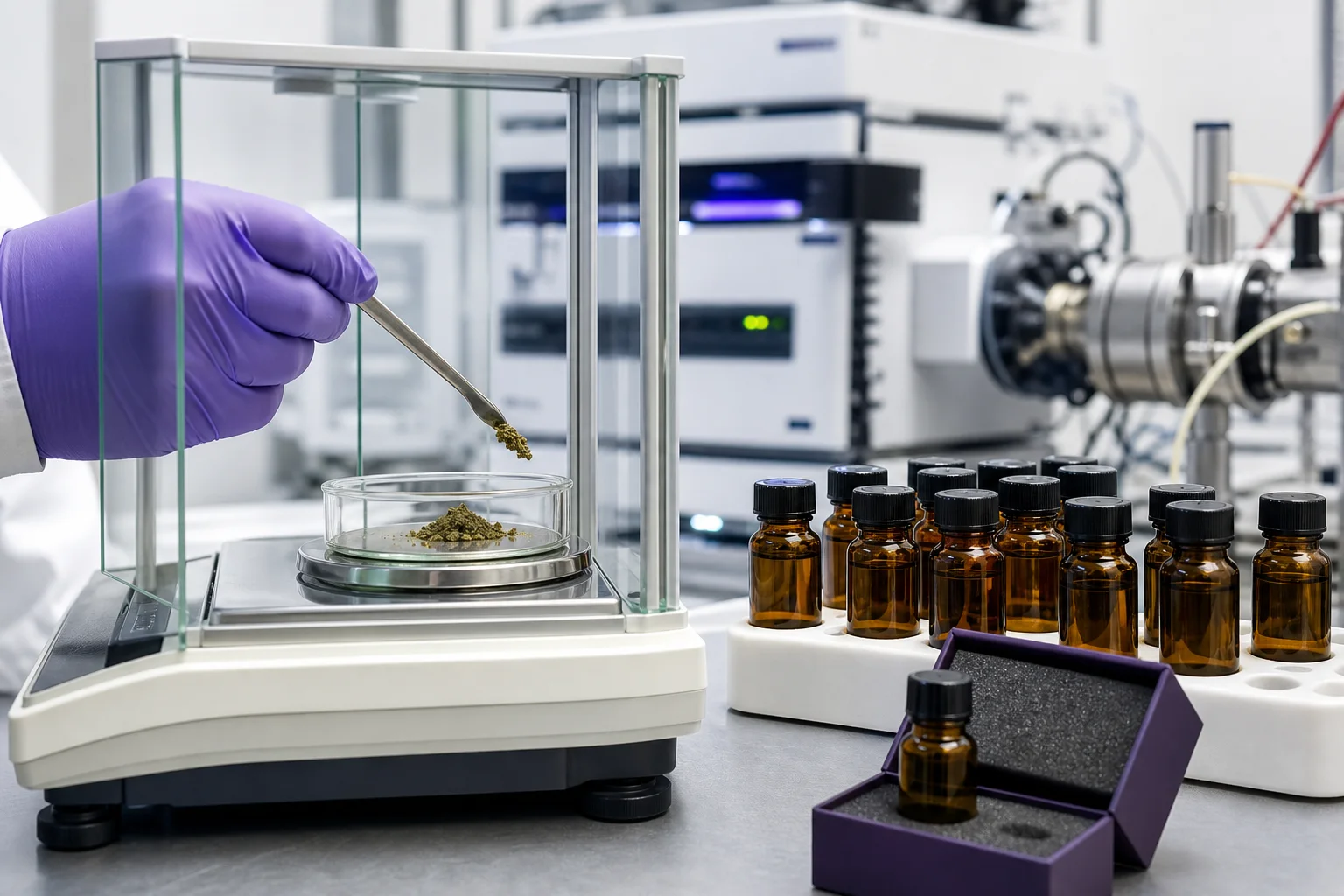
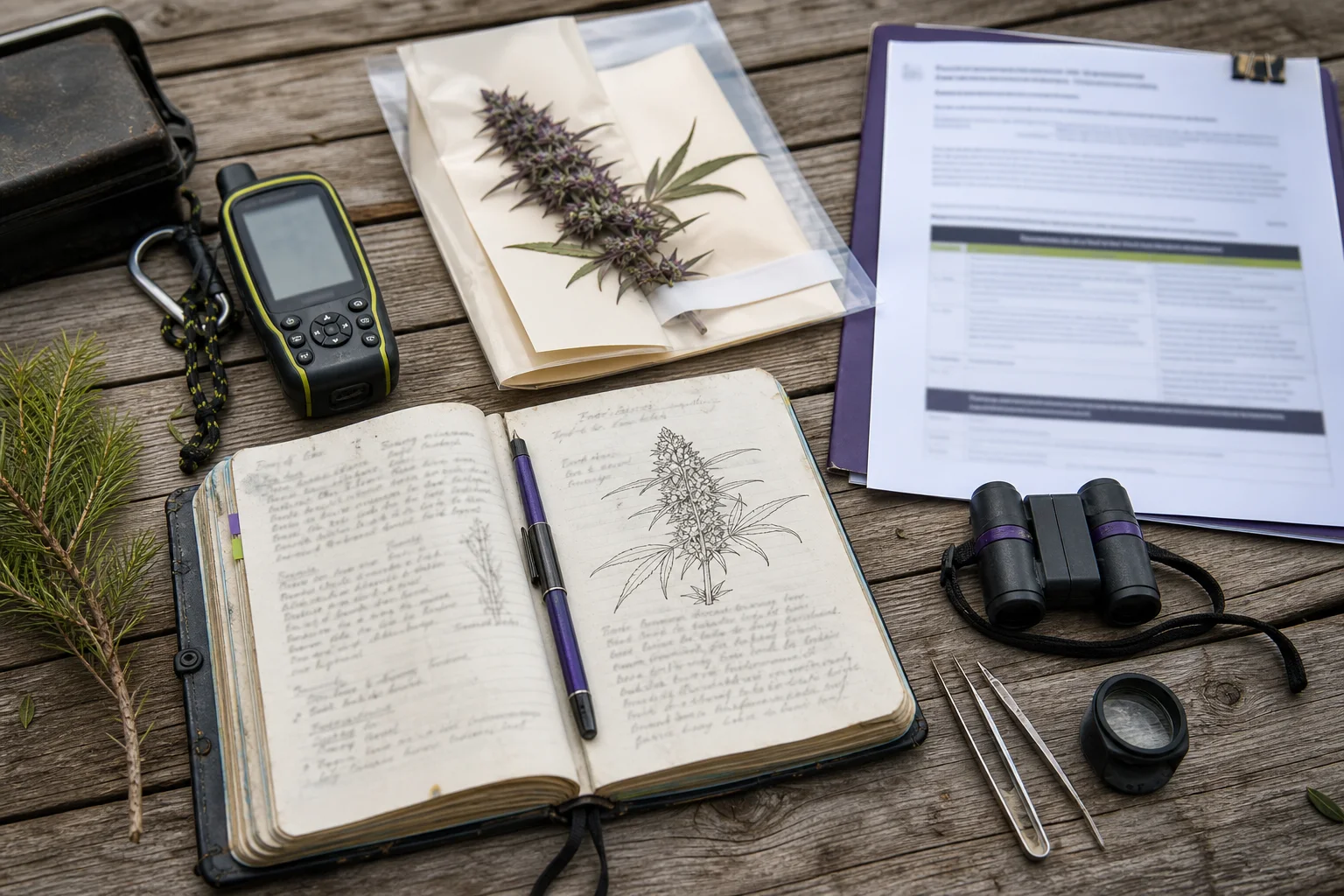
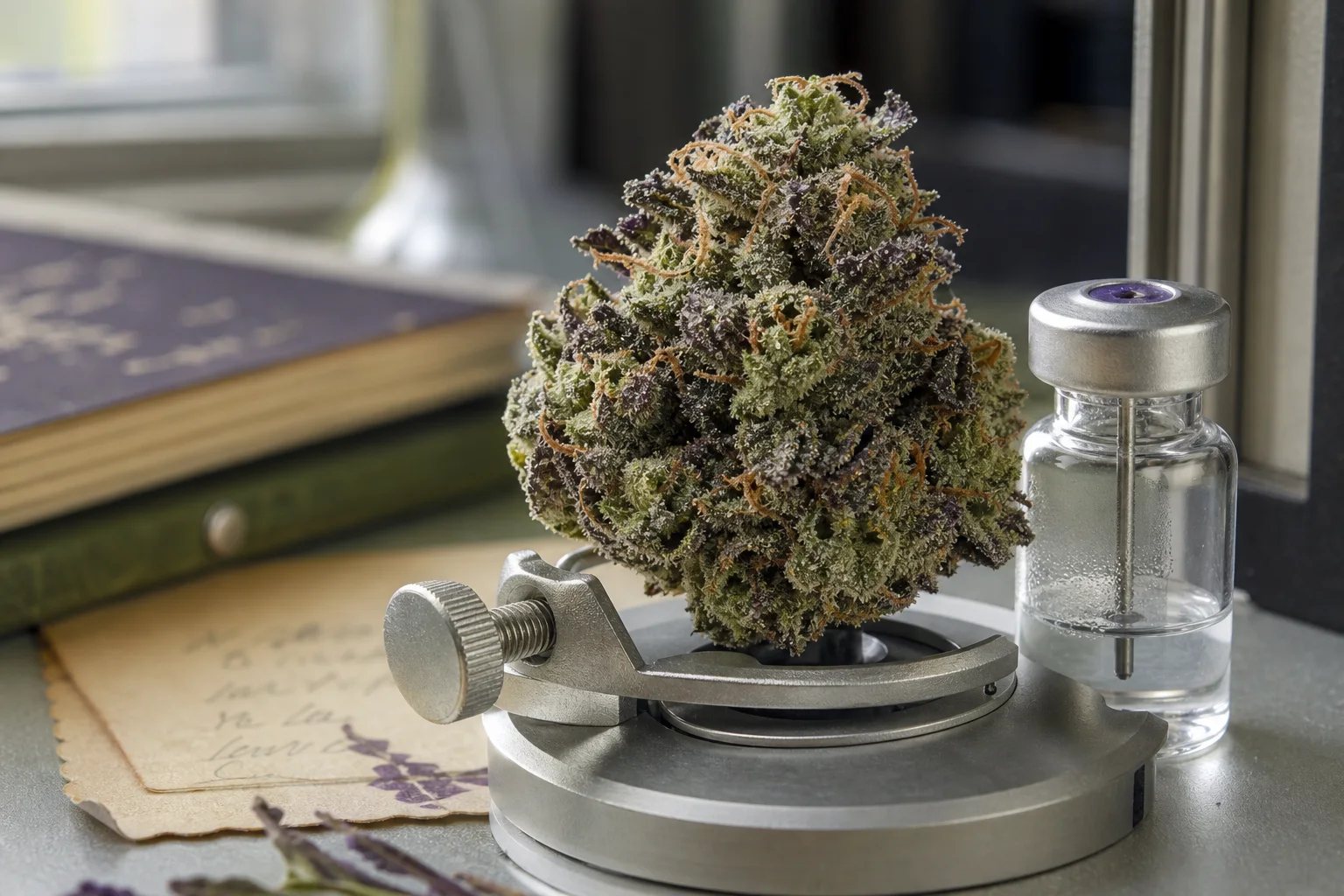
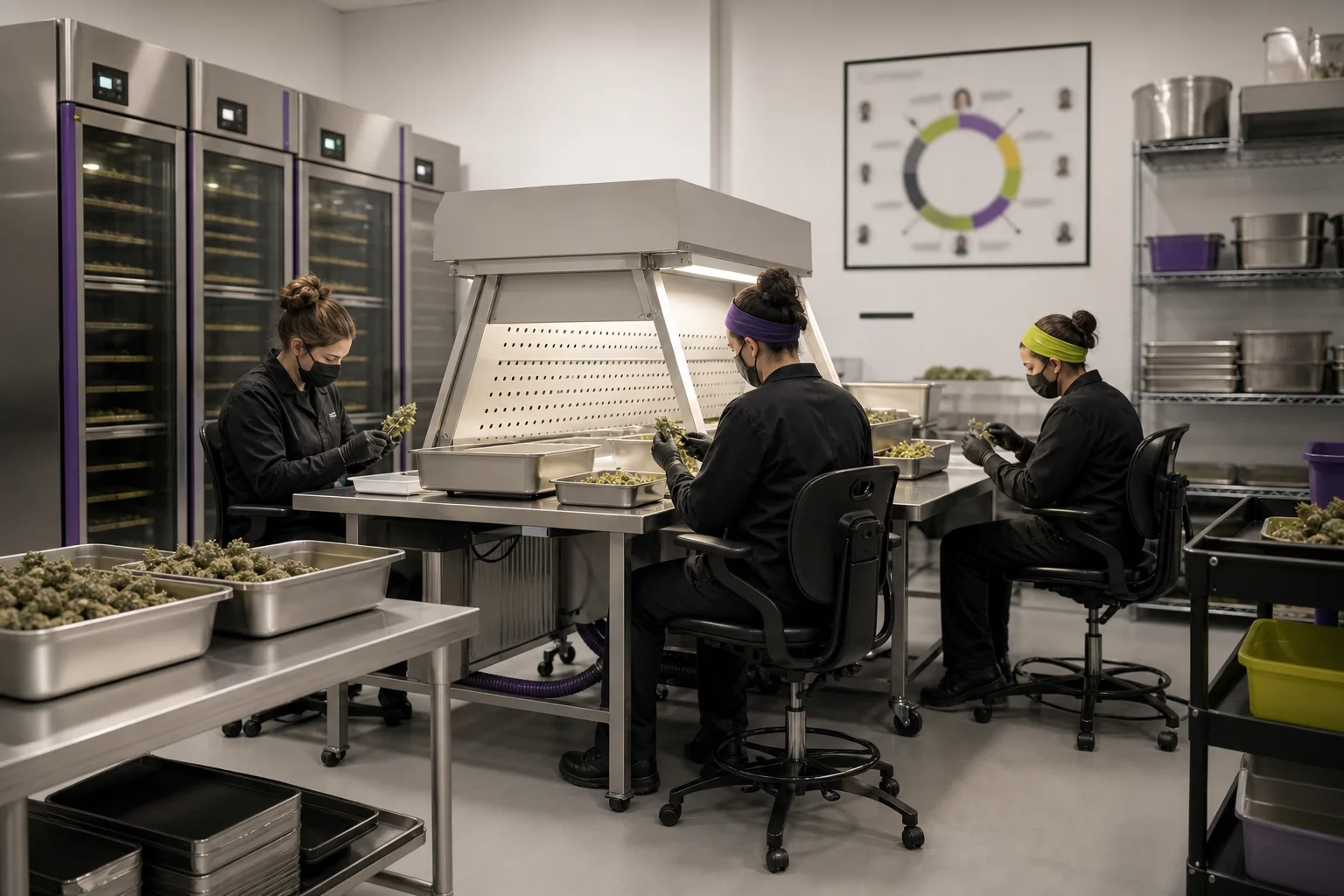
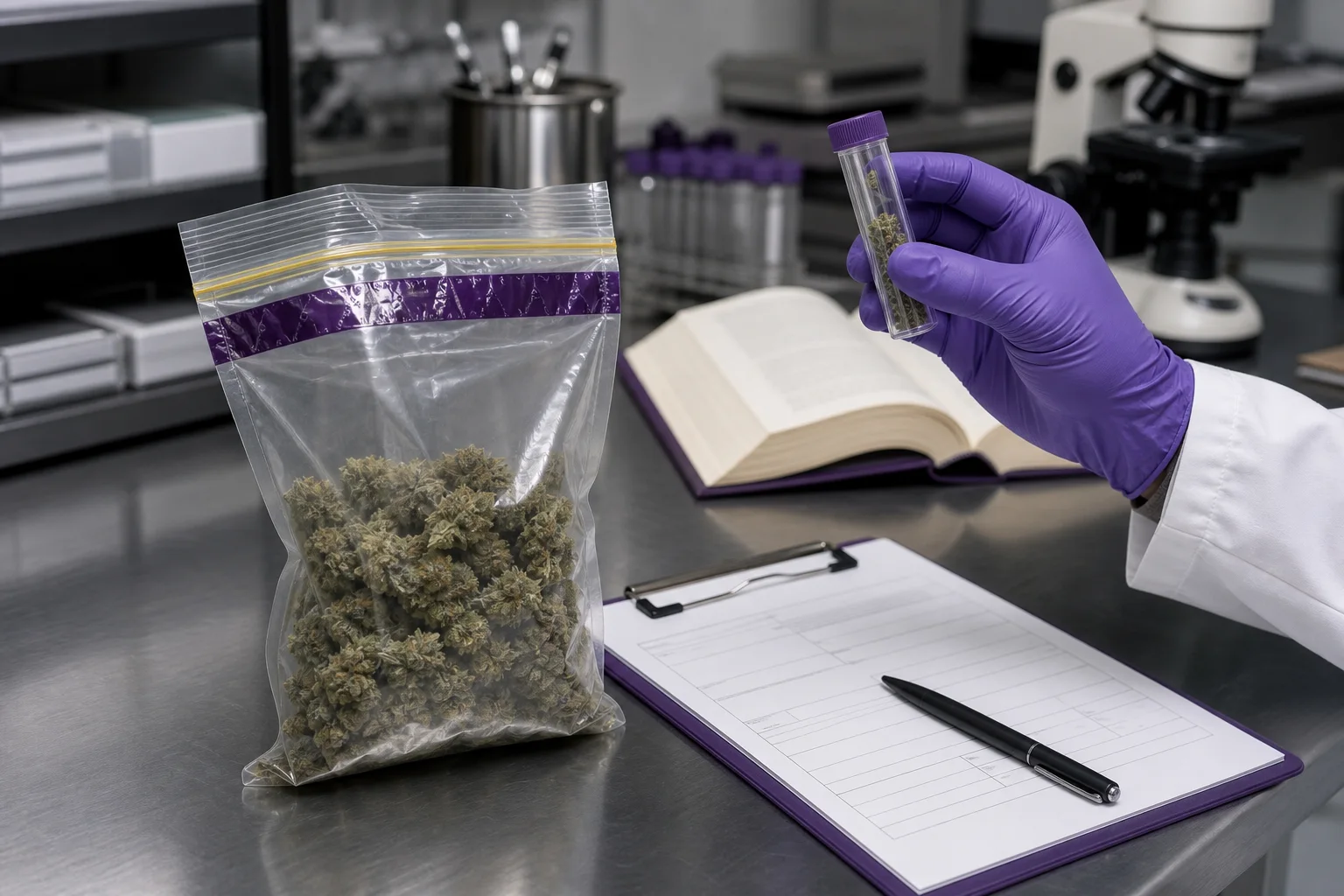
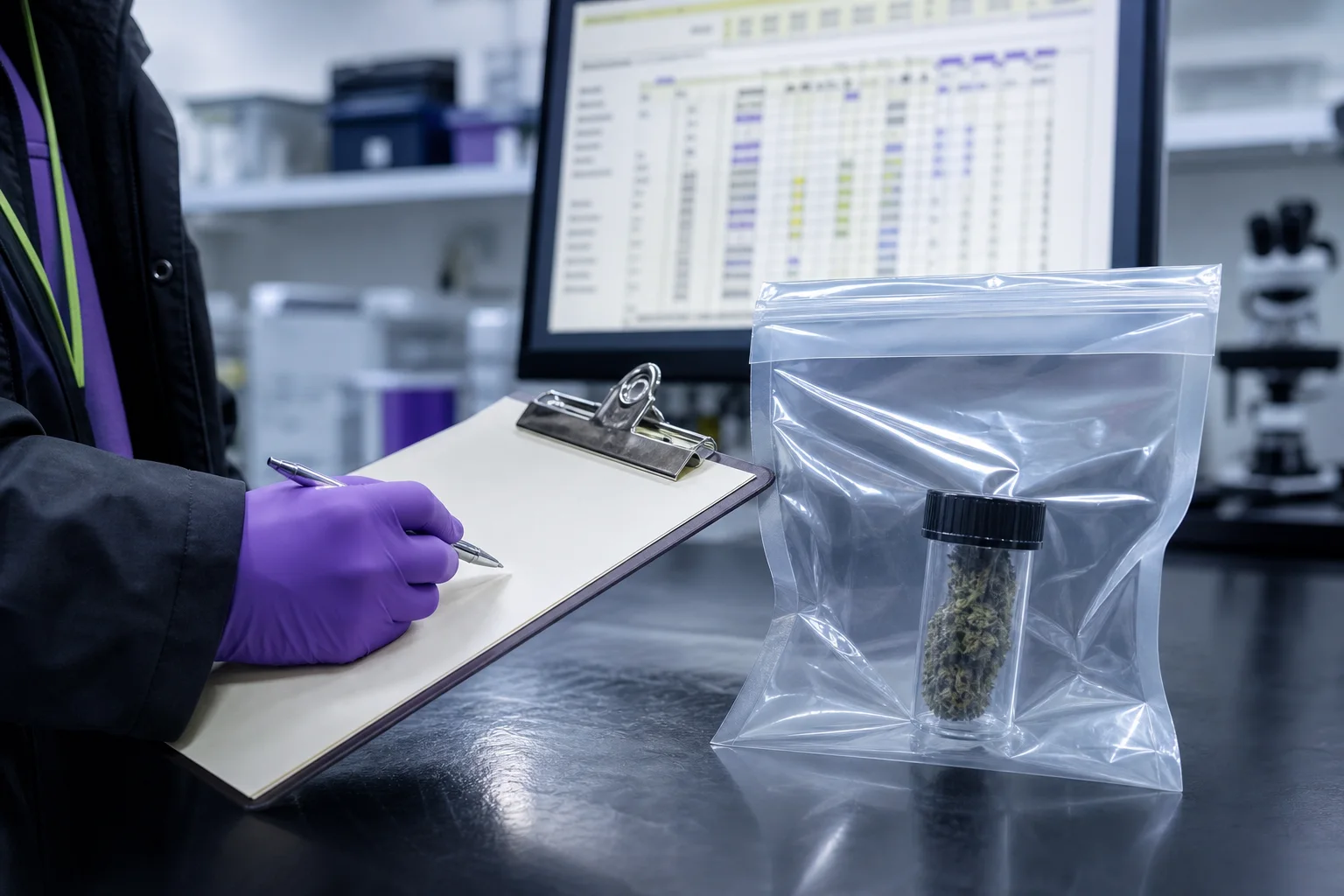
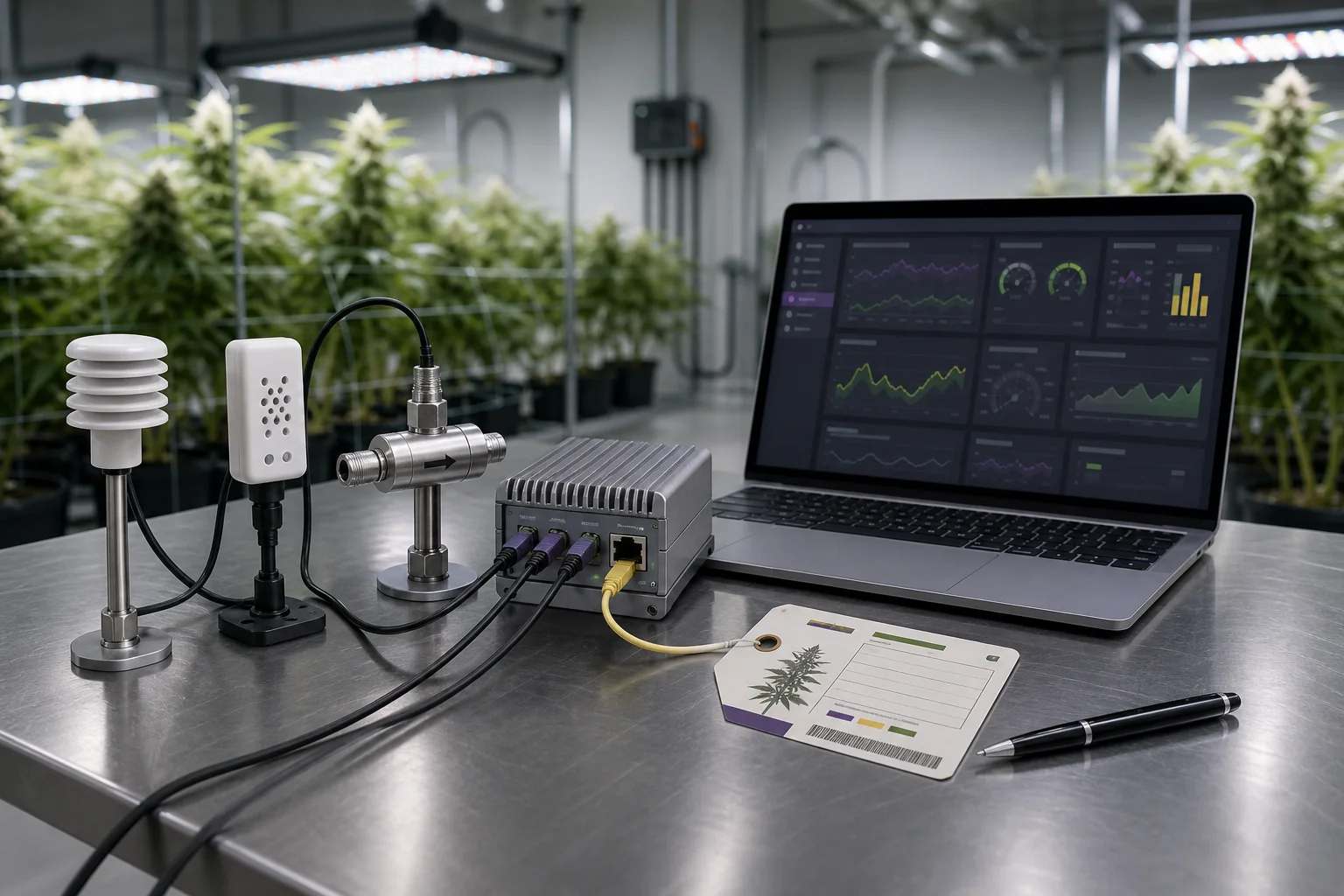
If your objective is a chemical snapshot that can be referenced years later, preserve a voucher: a properly cured, whole inflorescence sealed inside an inert container and kept cool will usually offer greater analytical integrity than a crushed or exposed sample. Record the curing curve (time, temperature, relative humidity), the container type, any desiccants used, and the storage temperature and lighting conditions with timestamps.
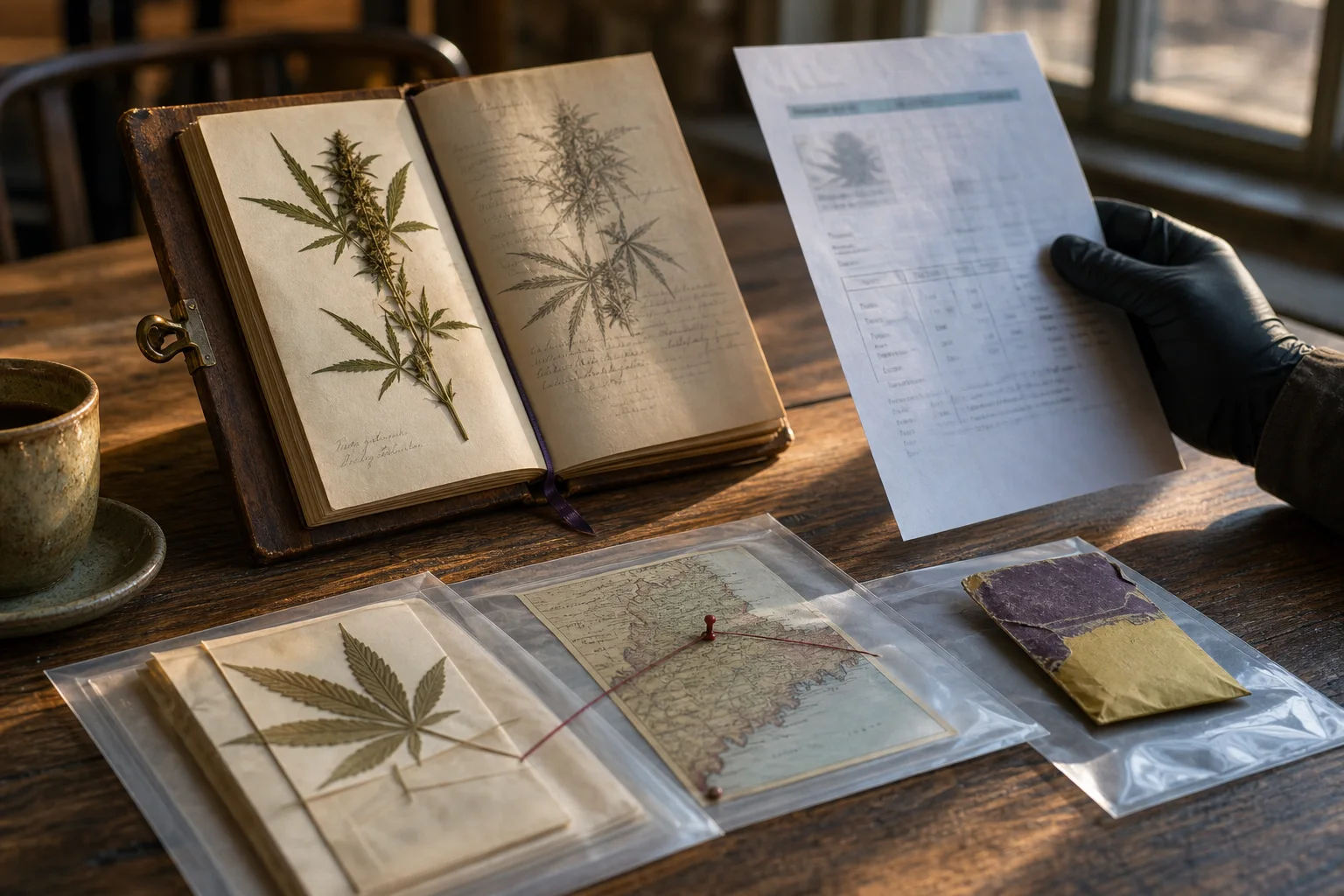
Be candid in the ledger about evidence limits. Even when preservation is careful, biological variation, differences in laboratory methods, and the time between sampling and analysis can produce discrepancies. Postharvest studies show that storage and handling can drive changes in both cannabinoids and terpenes — so two samples with the same cultivar name but different postharvest histories may look chemically distinct for reasons unrelated to genetics. A certified or accredited lab certificate of analysis (COA) taken at or near the sampling date is a valuable companion to a voucher; list COA numbers, lab names, and analytical methods when available so third parties can understand the context of any reported numbers.
Maine legal and recordkeeping context (what to note about status)
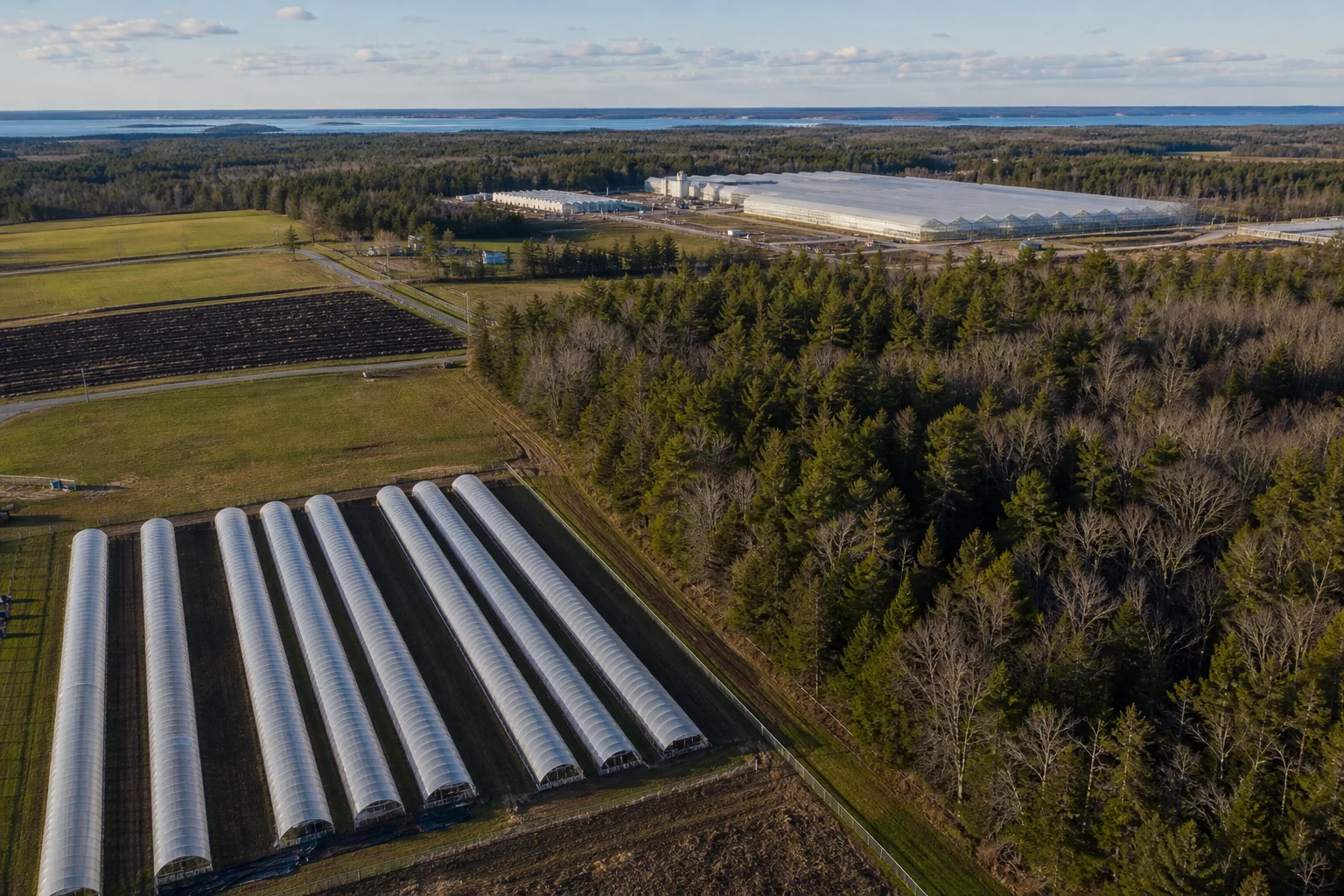
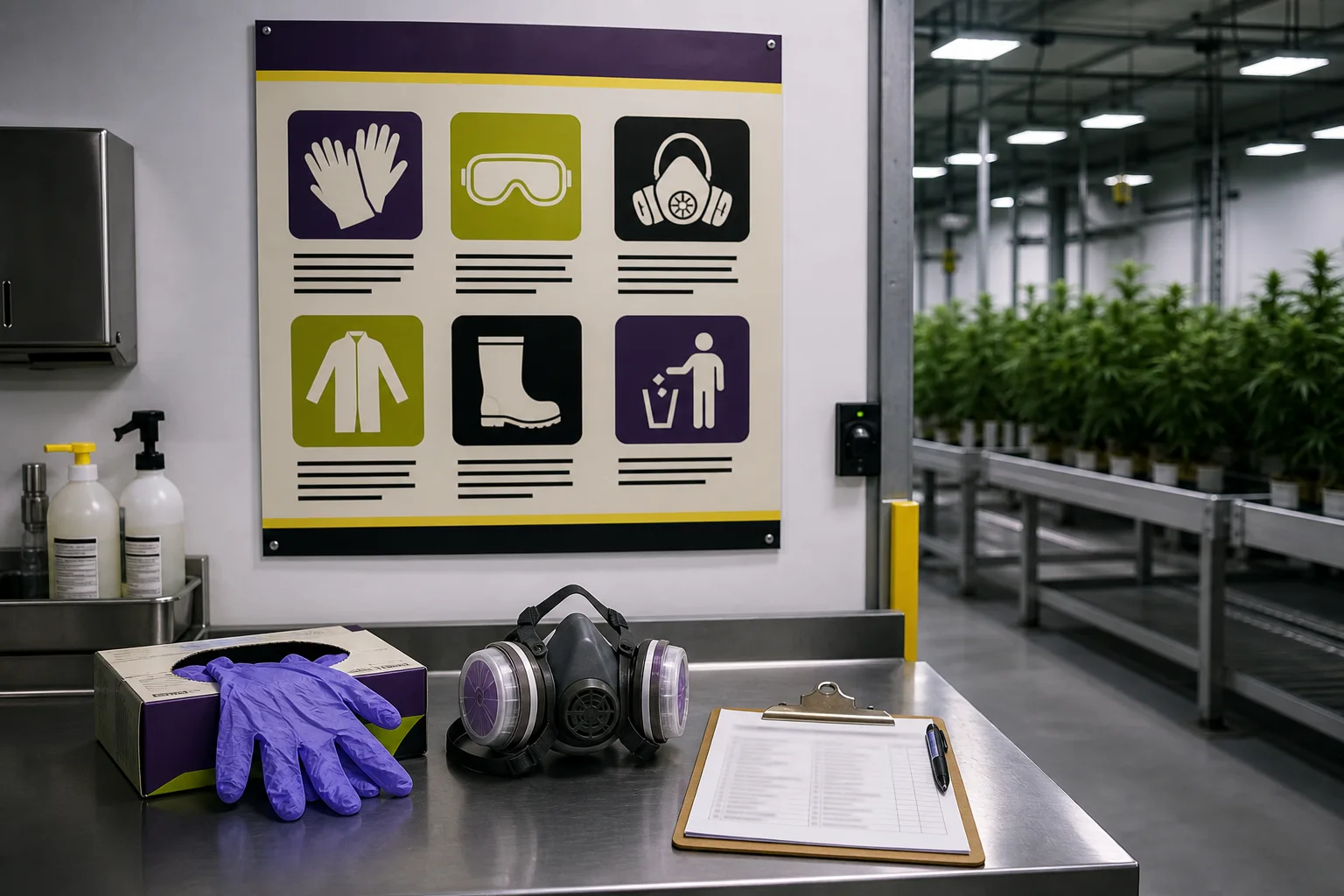
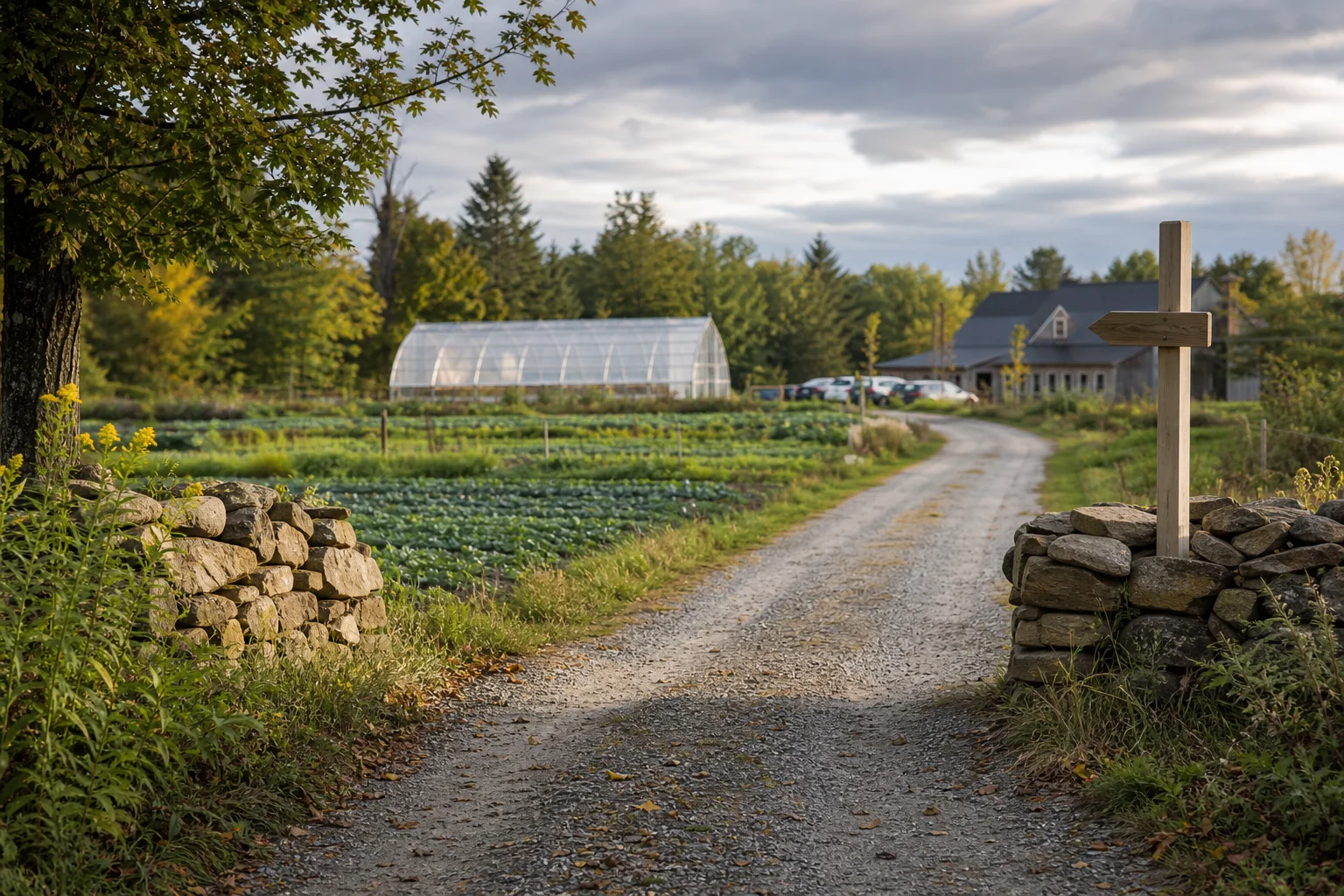
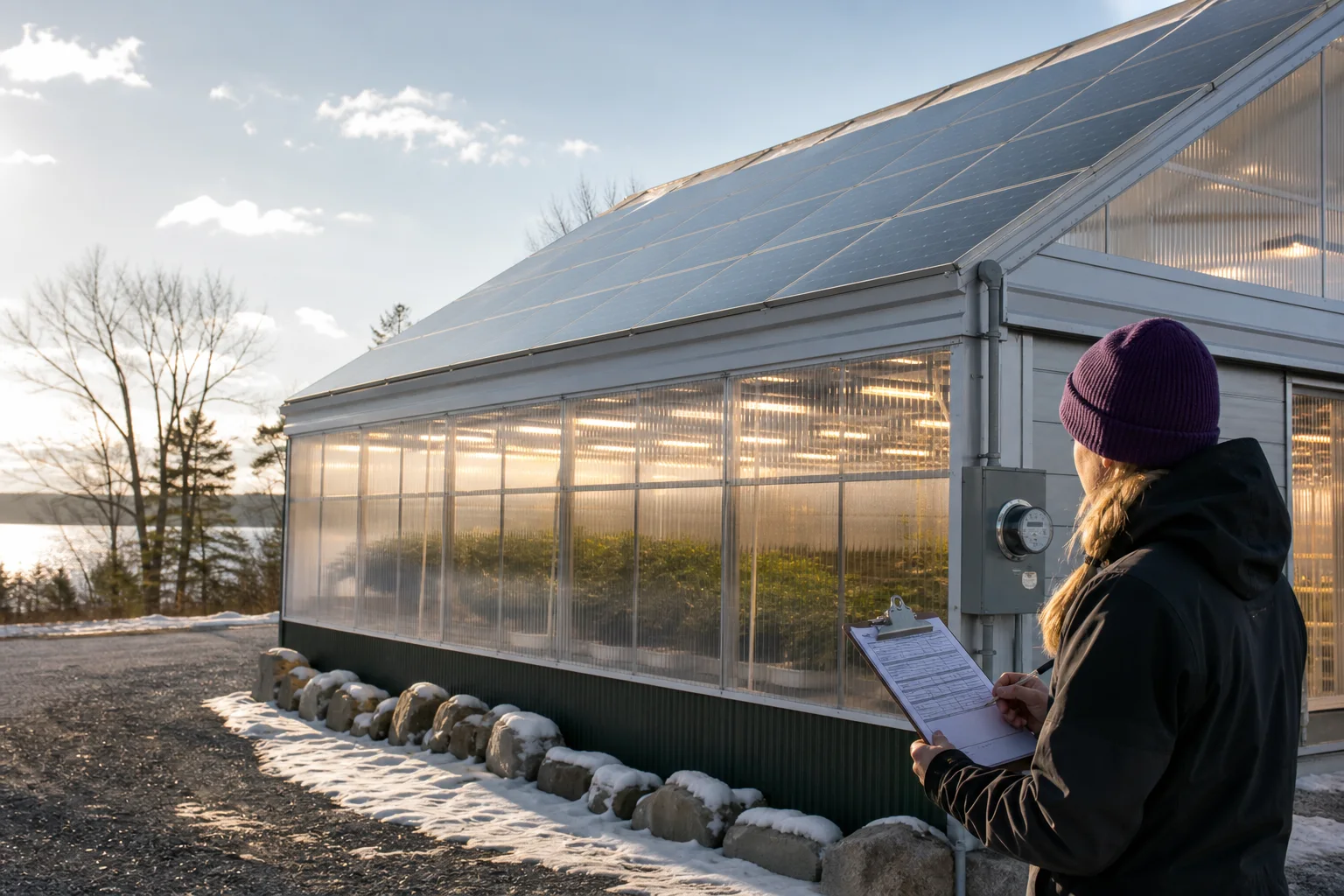
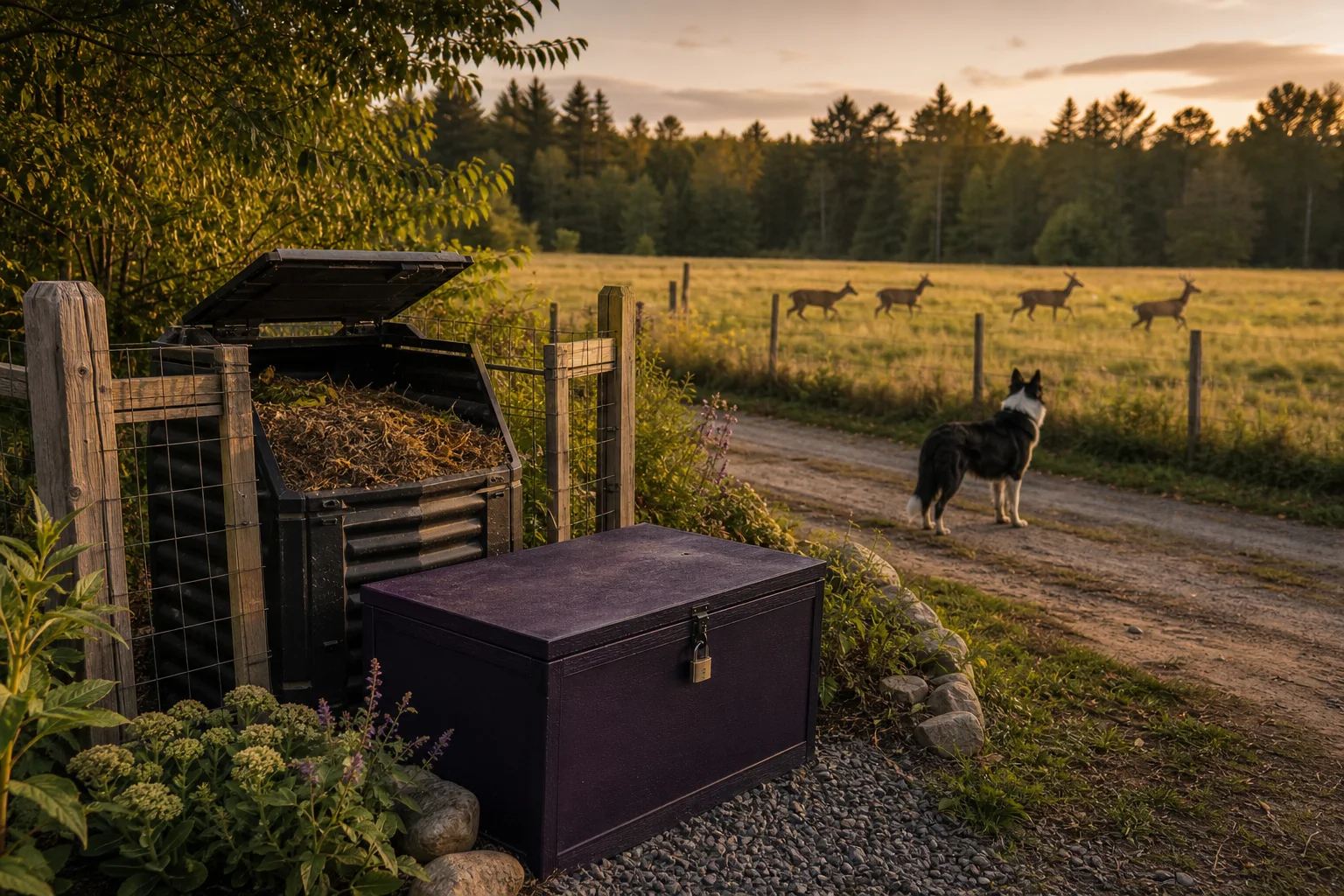
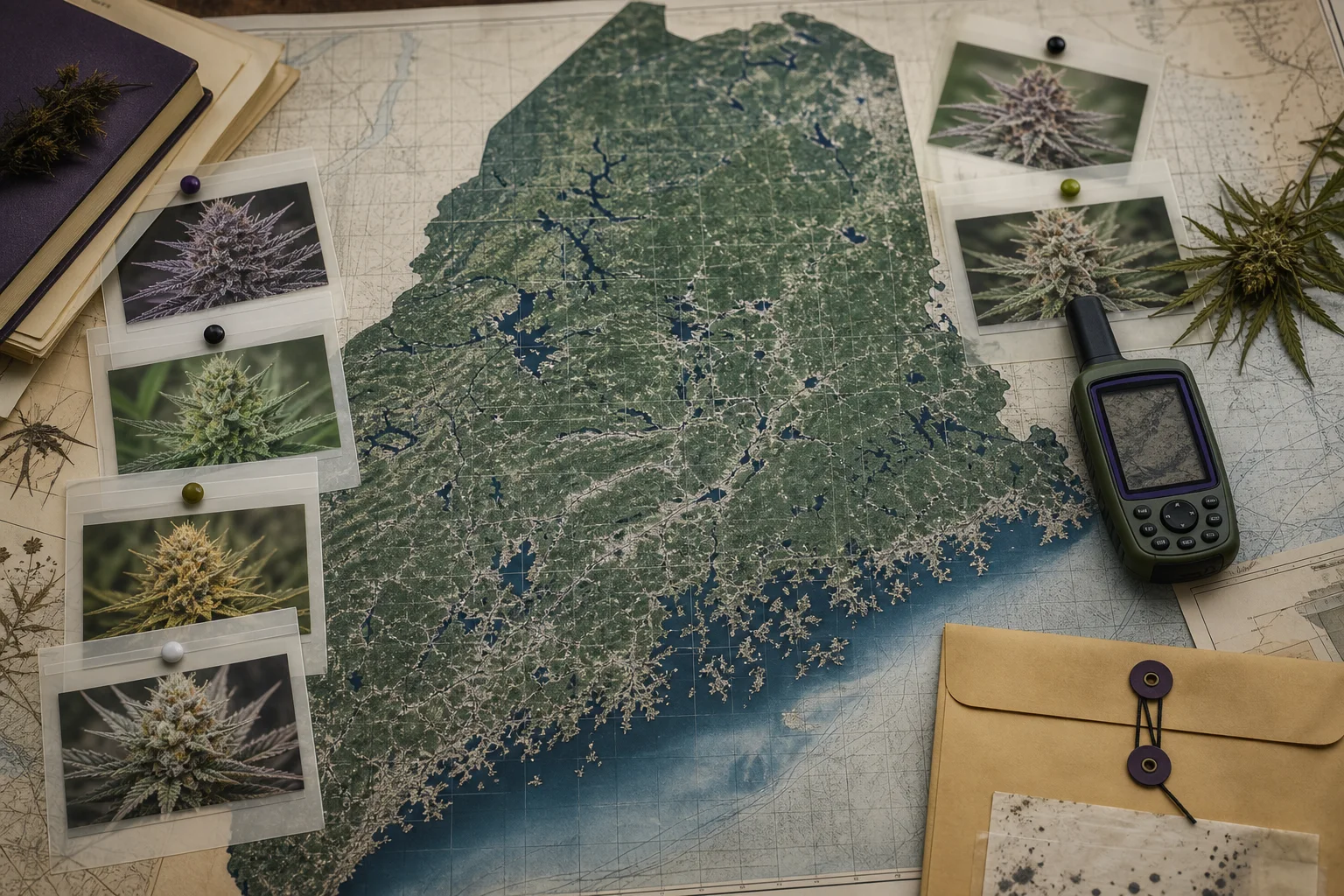
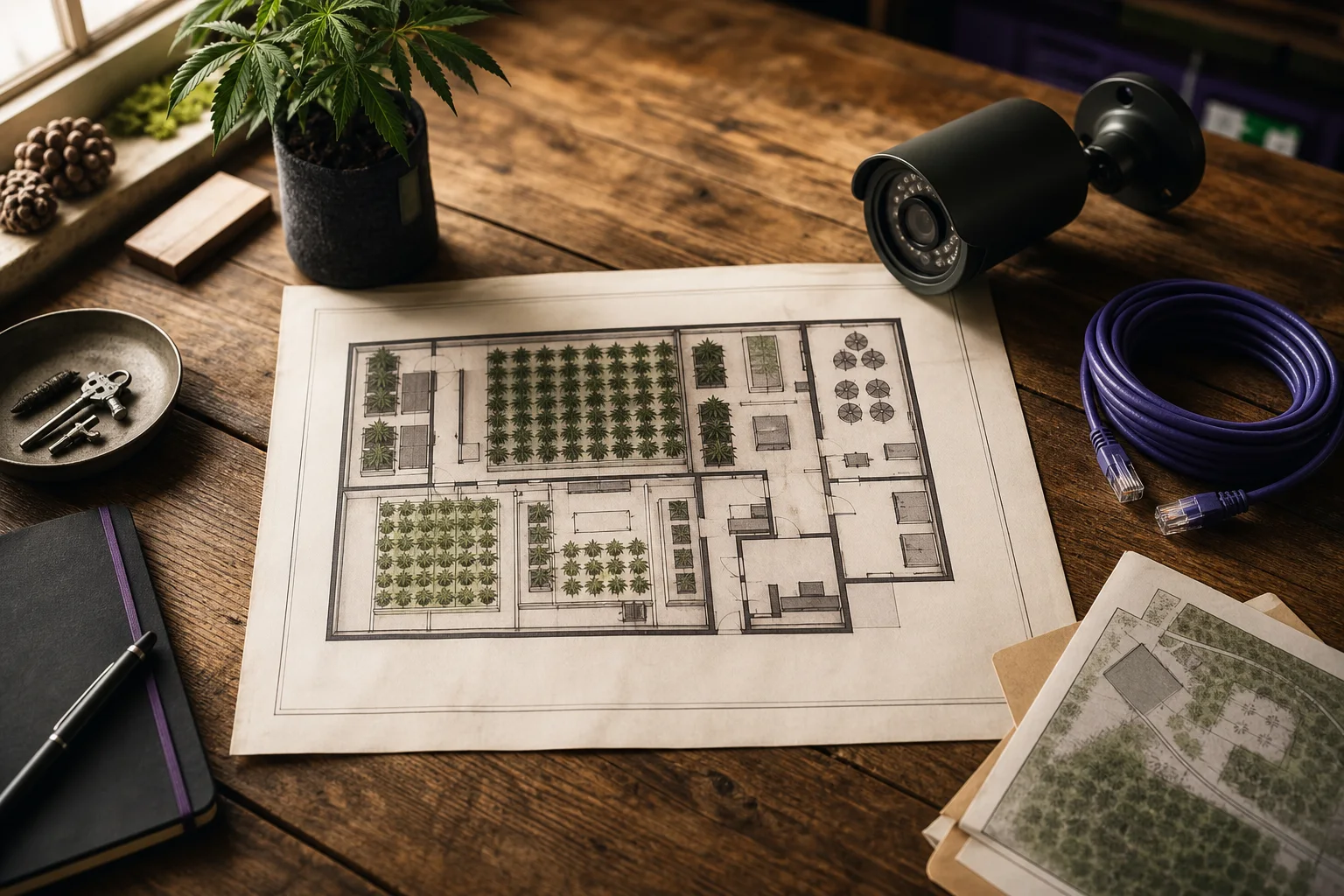
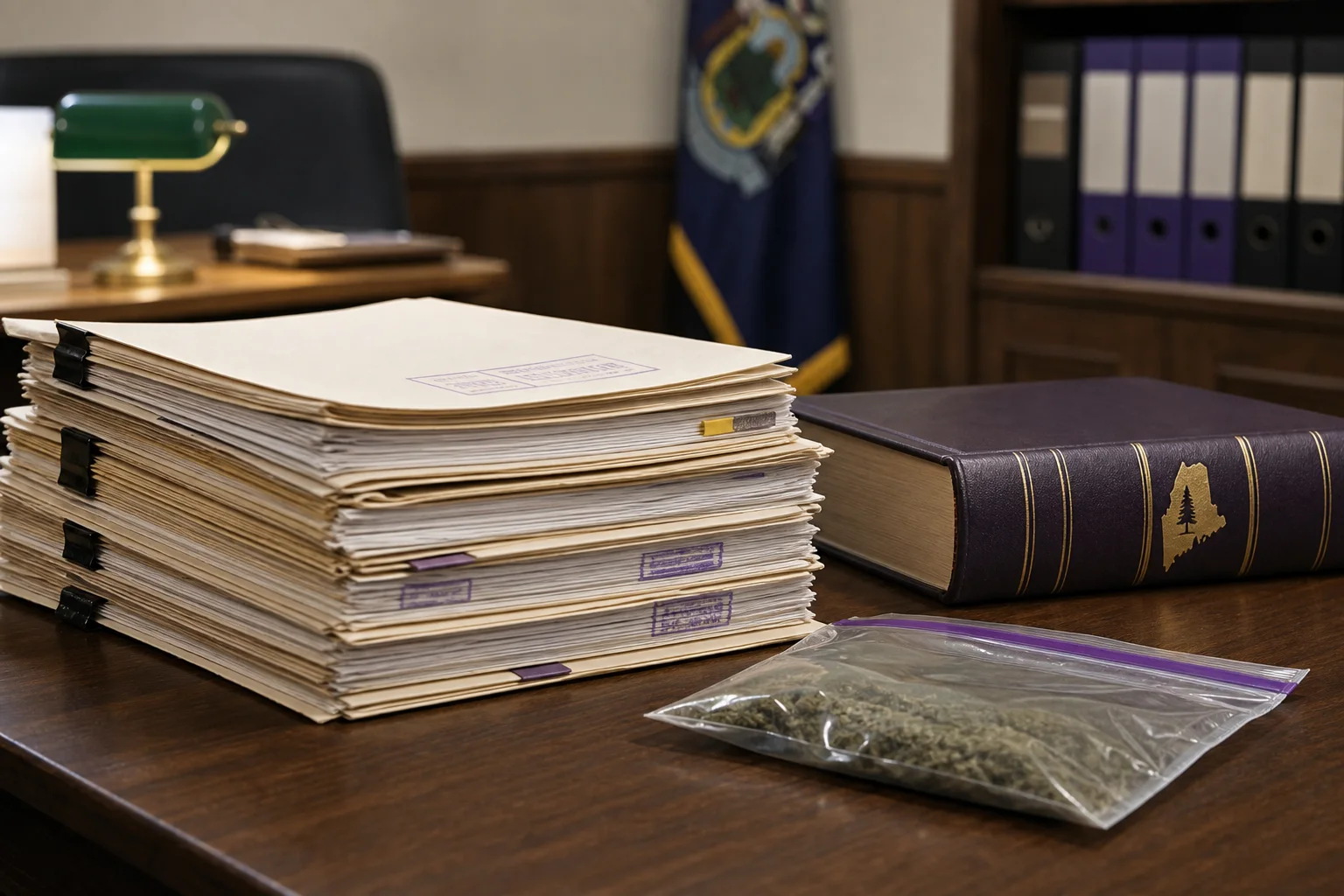
Maine’s Title 28‑B provides the statutory framework for licensing and for home cultivation (subject to municipal limits), and OCP rules and facility plan templates specify what licensed operations must record and present to regulators. That means a practical difference in how you document entries: for licensed sites, include license numbers, facility plan dates, and any OCP correspondence; for home gardens, note municipal constraints and any local ordinances that might affect plant counts, visibility, or transport. Always include, in a clear place on each entry, whether the observation derives from a licensed establishment, a private home garden, or an informal plot.
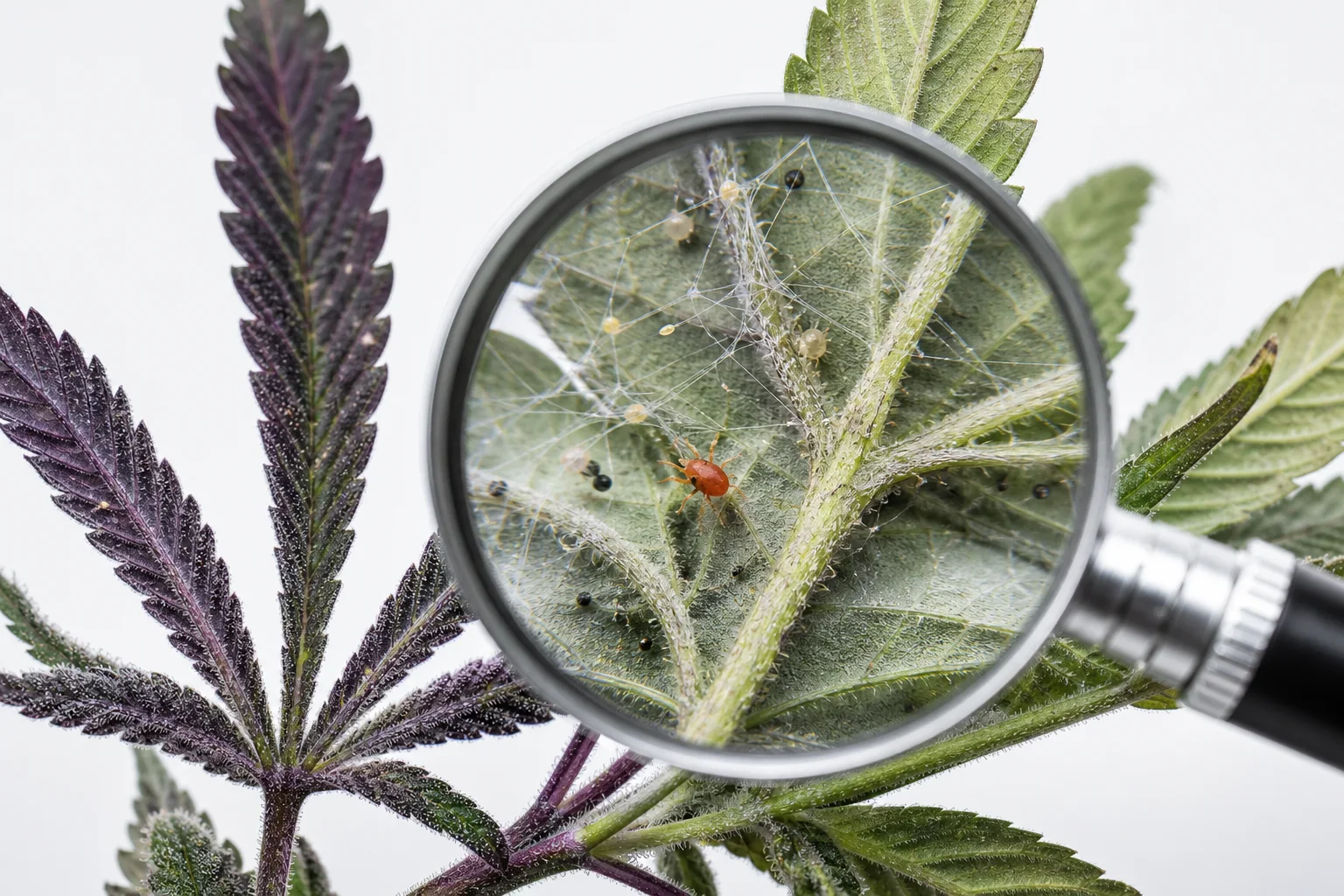
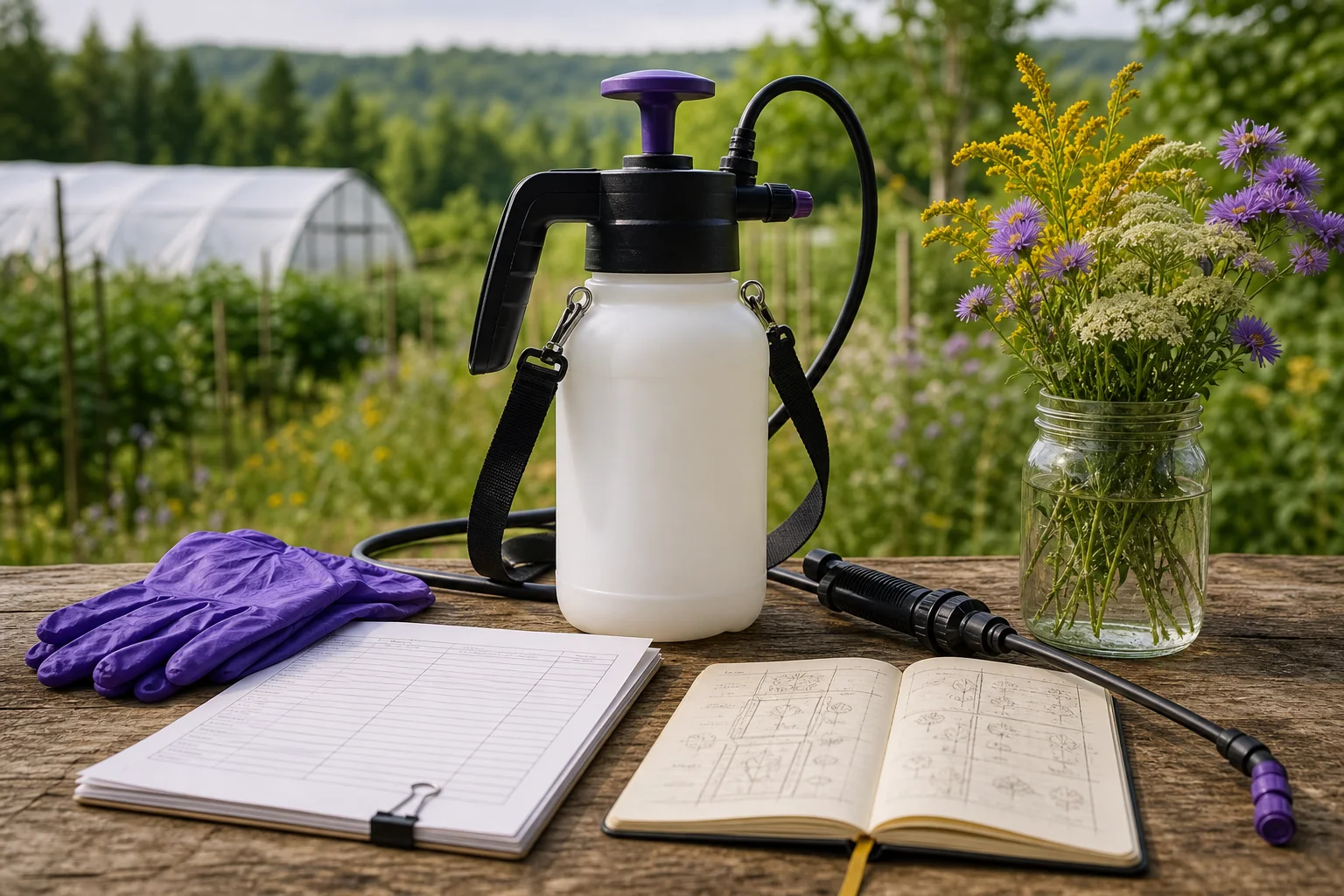
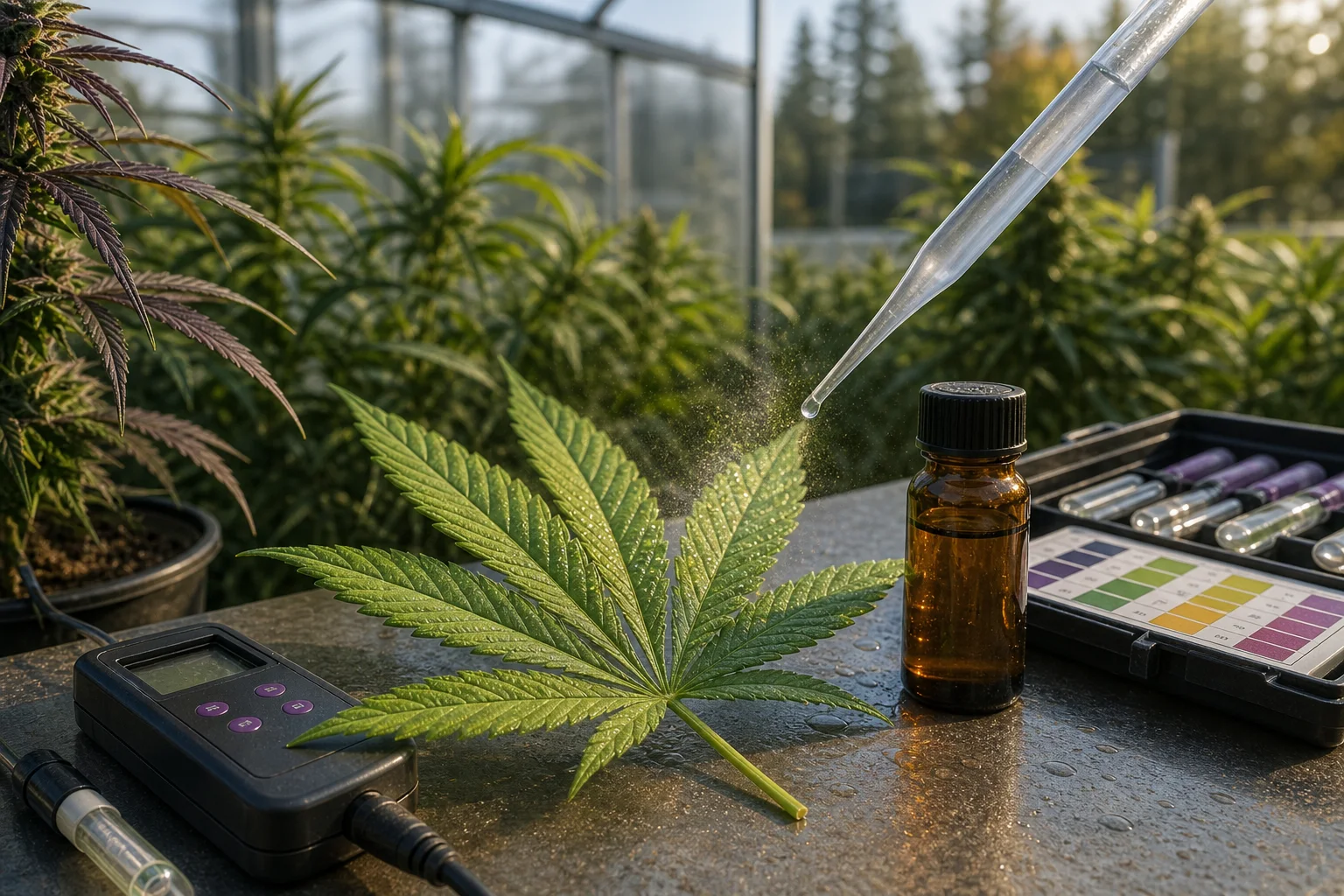
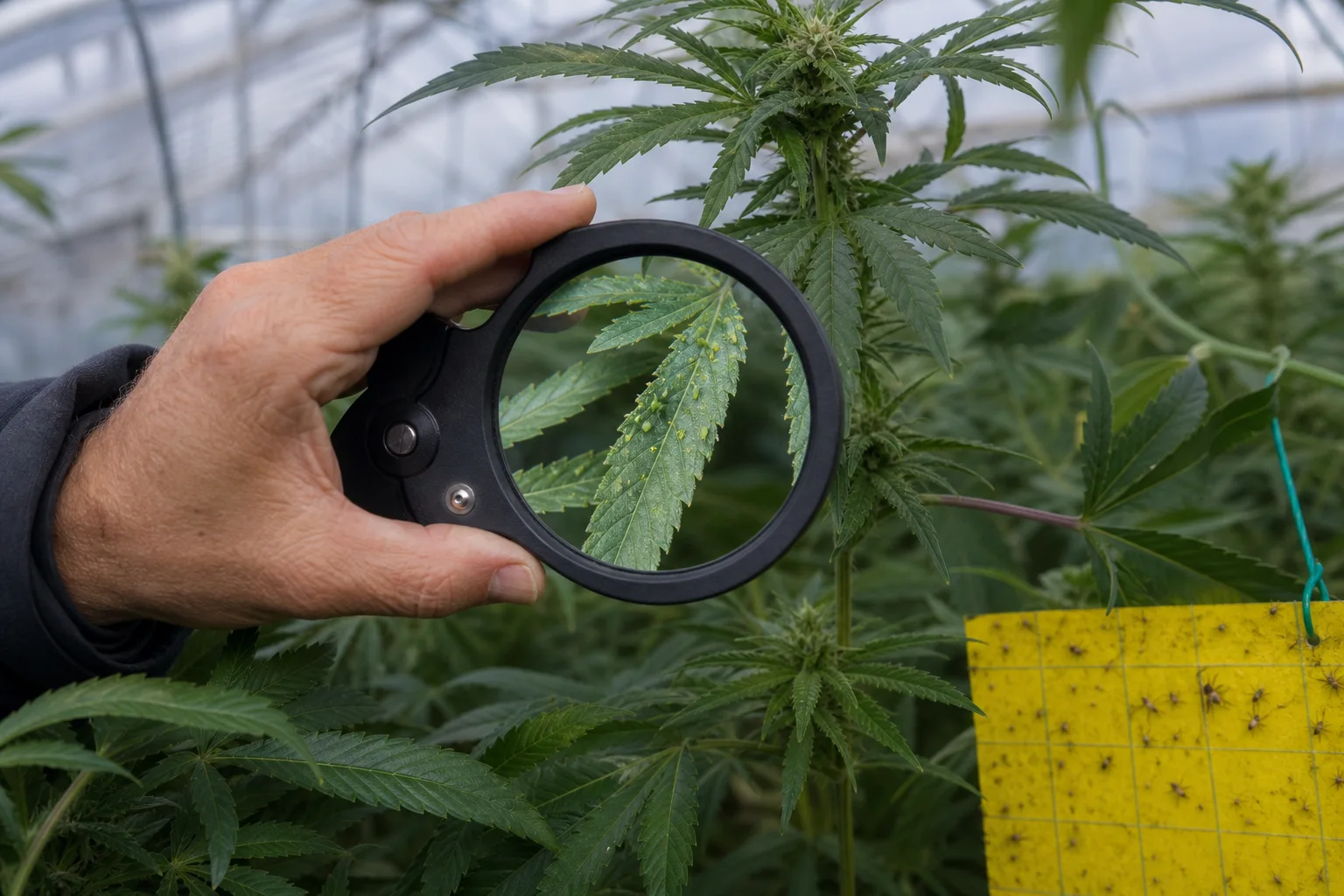
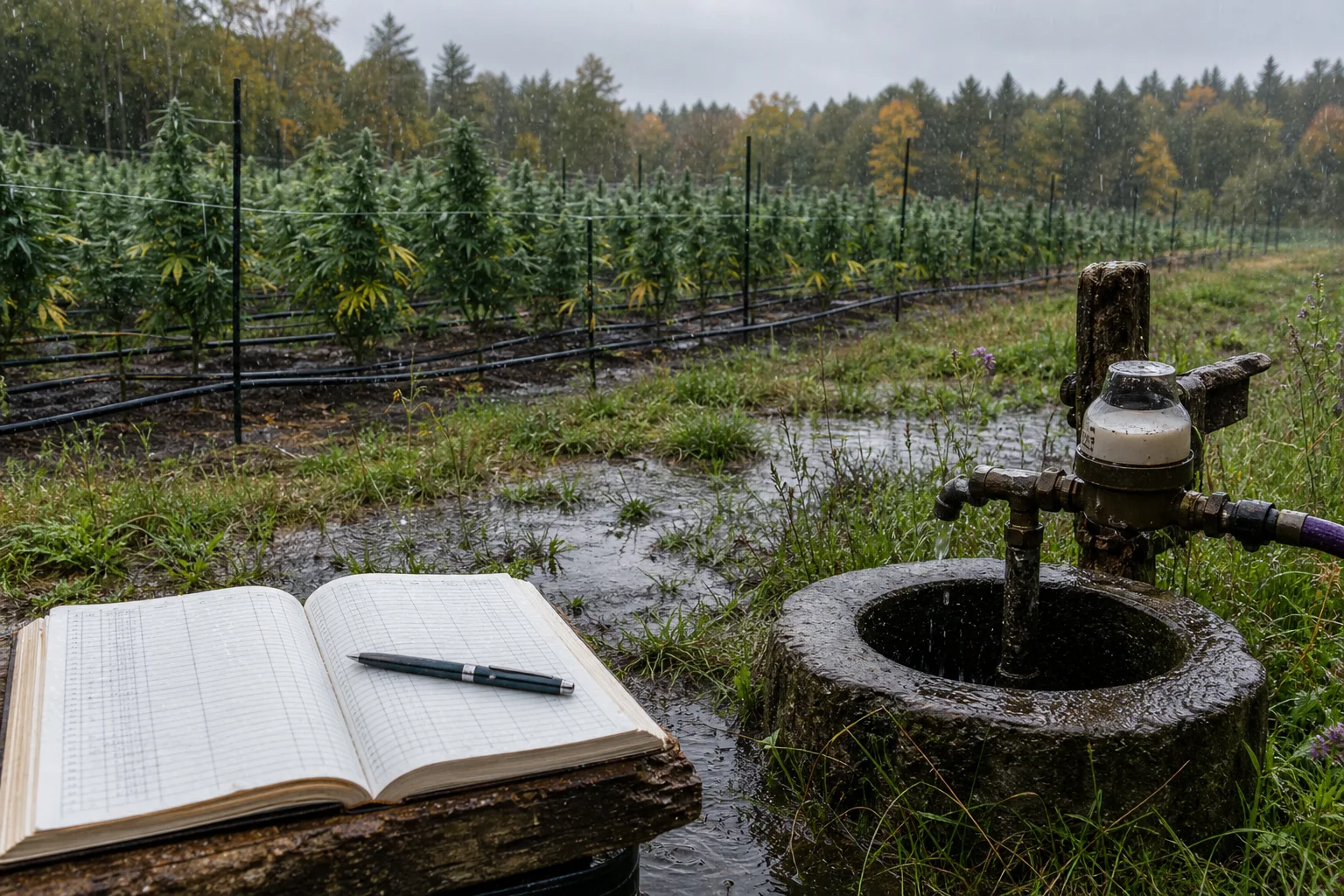
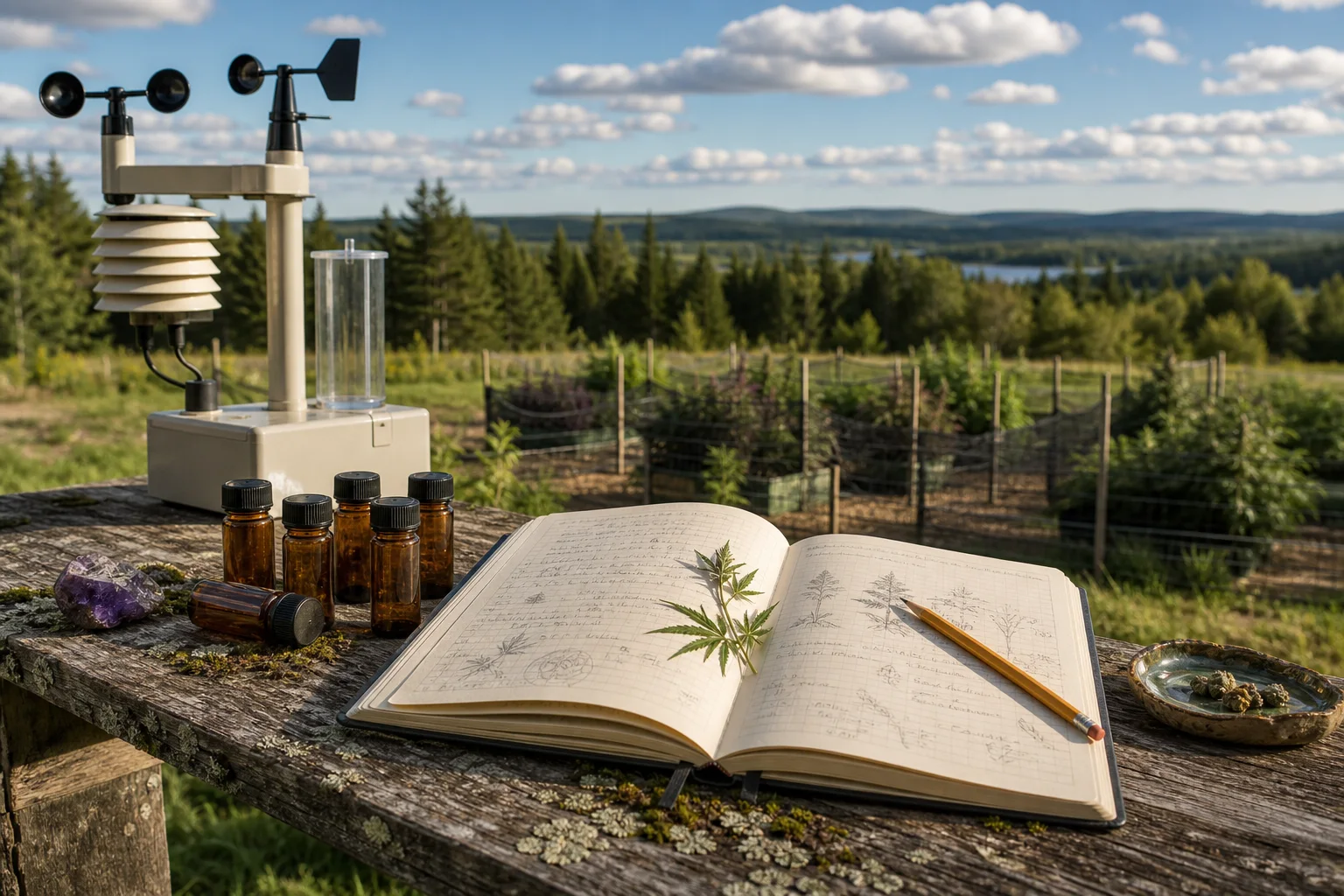
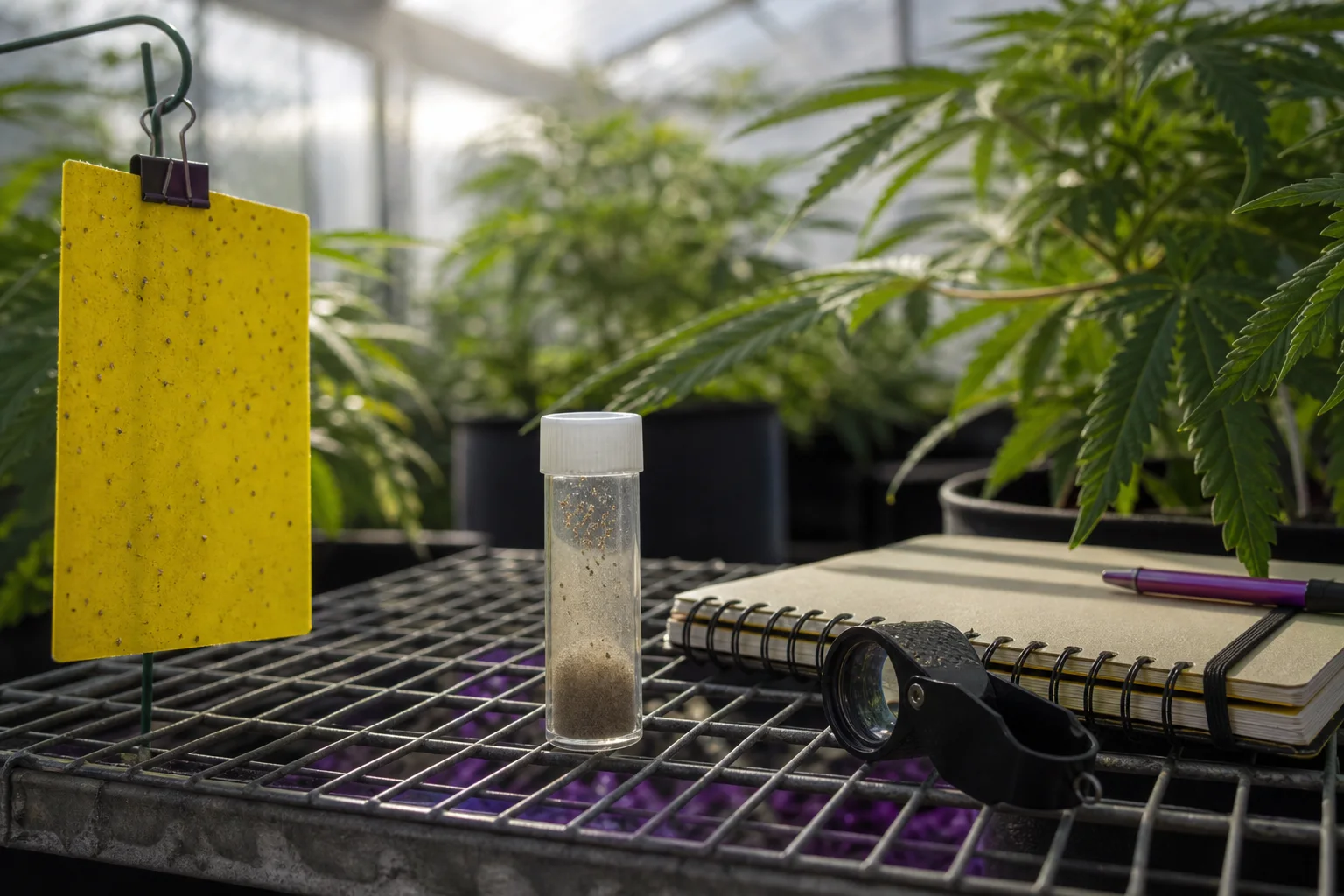
For pest and plant health records, Maine guidance on integrated pest management (IPM) encourages tracking pest observations, scouting dates, control actions, and nonchemical measures. Keep simple but consistent logs of pest pressure and responses: these records make the ledger more useful for later interpretation and for learning season‑to‑season.
Recordkeeping value for Maine growers, curators, and future researchers
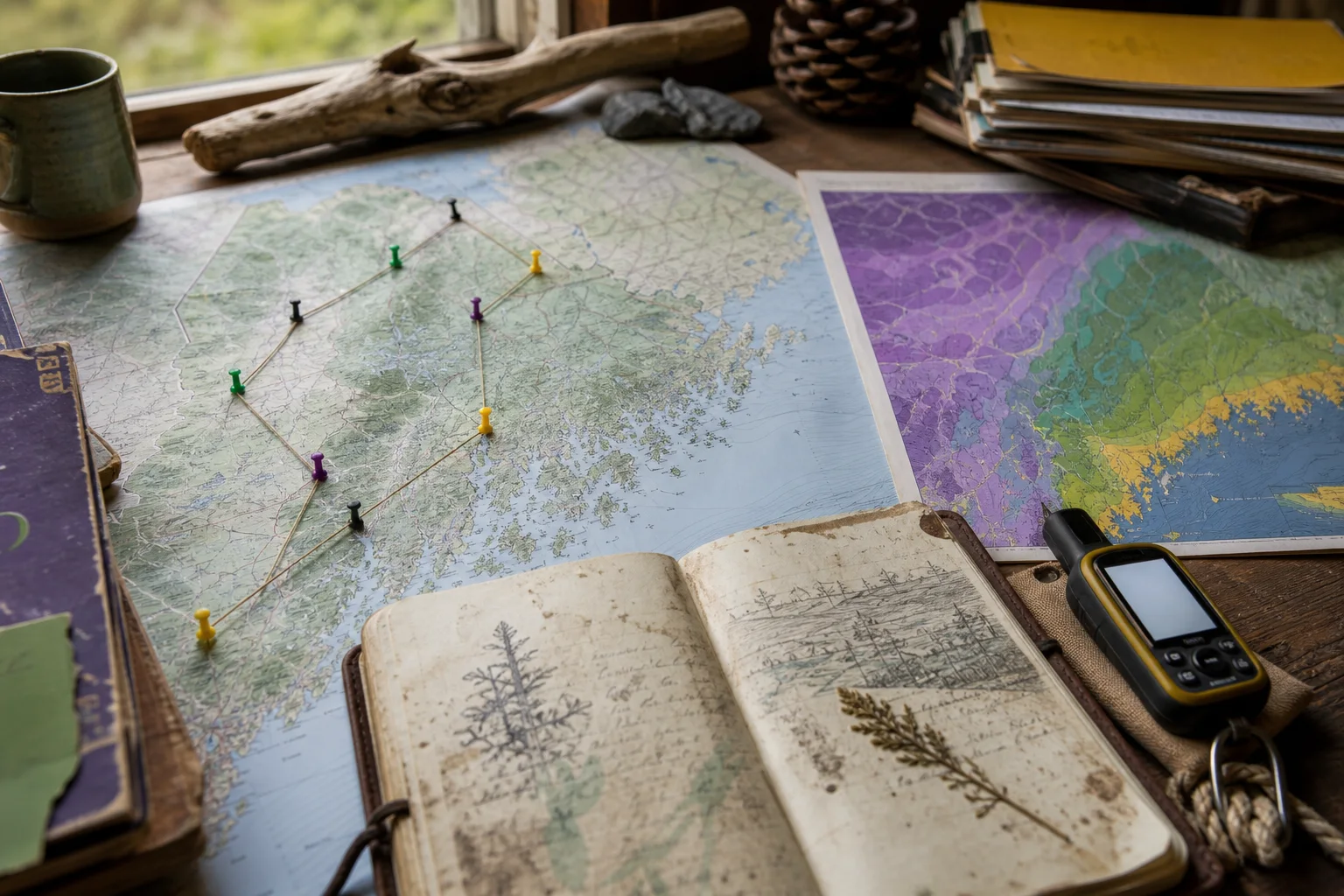
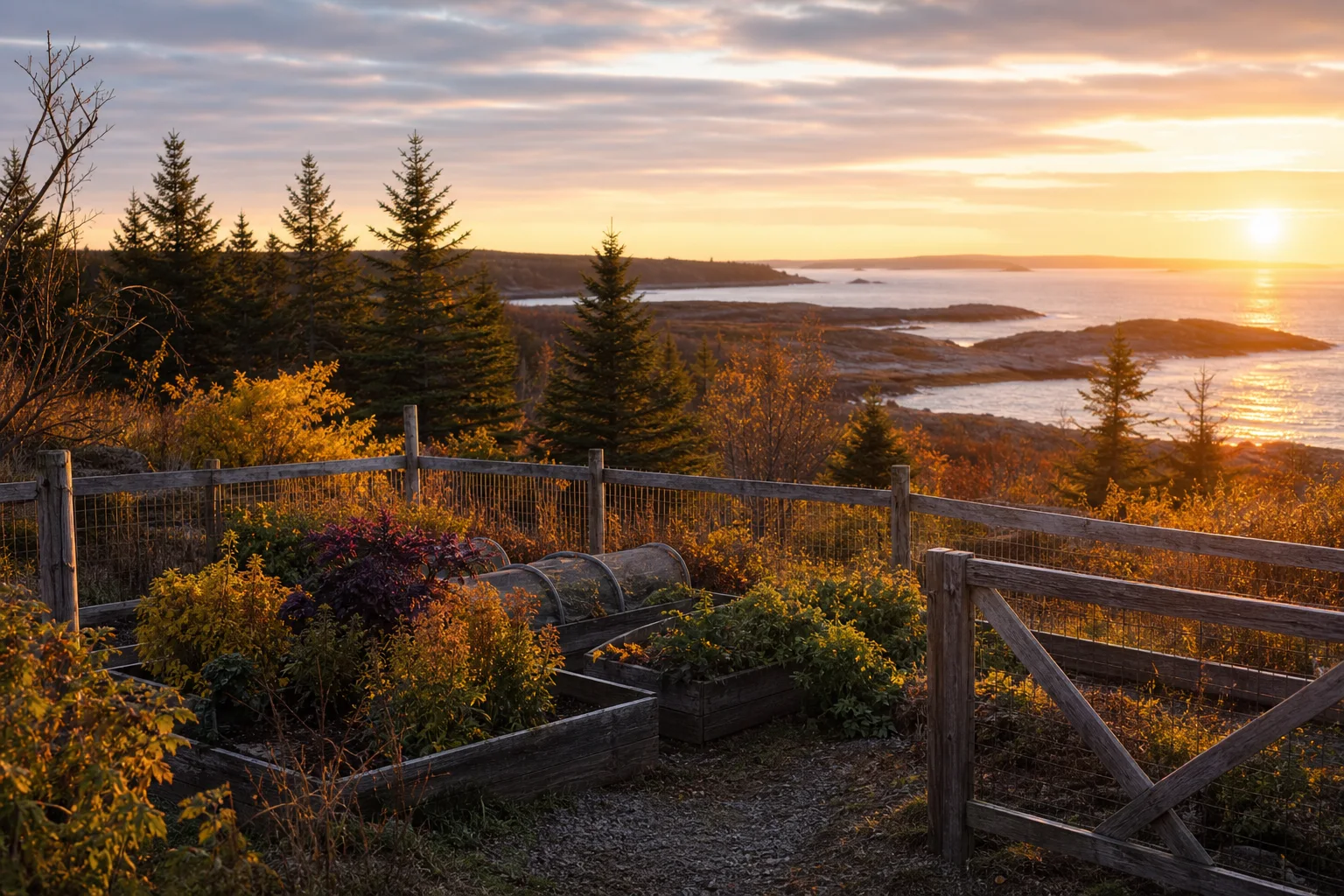
Why spend the time? A robust ledger creates value in several ways. Locally, it preserves cultivar histories and Maine provenance tales that are easy to lose when names migrate between producers. It helps growers correlate practices with outcomes across microclimates and municipal contexts. For licensed operators, it supports compliance and provides an evidentiary trail for regulators and auditors. For anyone interested in longer‑term comparison, the pairing of a physical voucher, clear metadata, and (if available) a contemporaneous COA is the difference between an anecdote and a reproducible data point.
However, keep realistic expectations: a single gardener’s voucher is not a population study. The ledger is at its strongest when entries are consistent, dated, and transparent about method and limits. Over multiple seasons, though, these serial observations can reveal trends, provenance fidelity, and how storage and handling influence chemical profiles.
Mainezilla interpretation and the plan for A→Z (practice and next steps)
This living entry is the first indexed item in a sequence that will, over many seasons, accumulate cultivar histories, method notes, and Maine provenance tales under the letter A. Each update will list the primary legal texts and rule sets current at the time so readers can see how regulatory context evolved. The scientific literature on postharvest chemistry gives measurable ways to compare samples across years, and Maine practice—simple, dated, and documented—makes those comparisons possible.
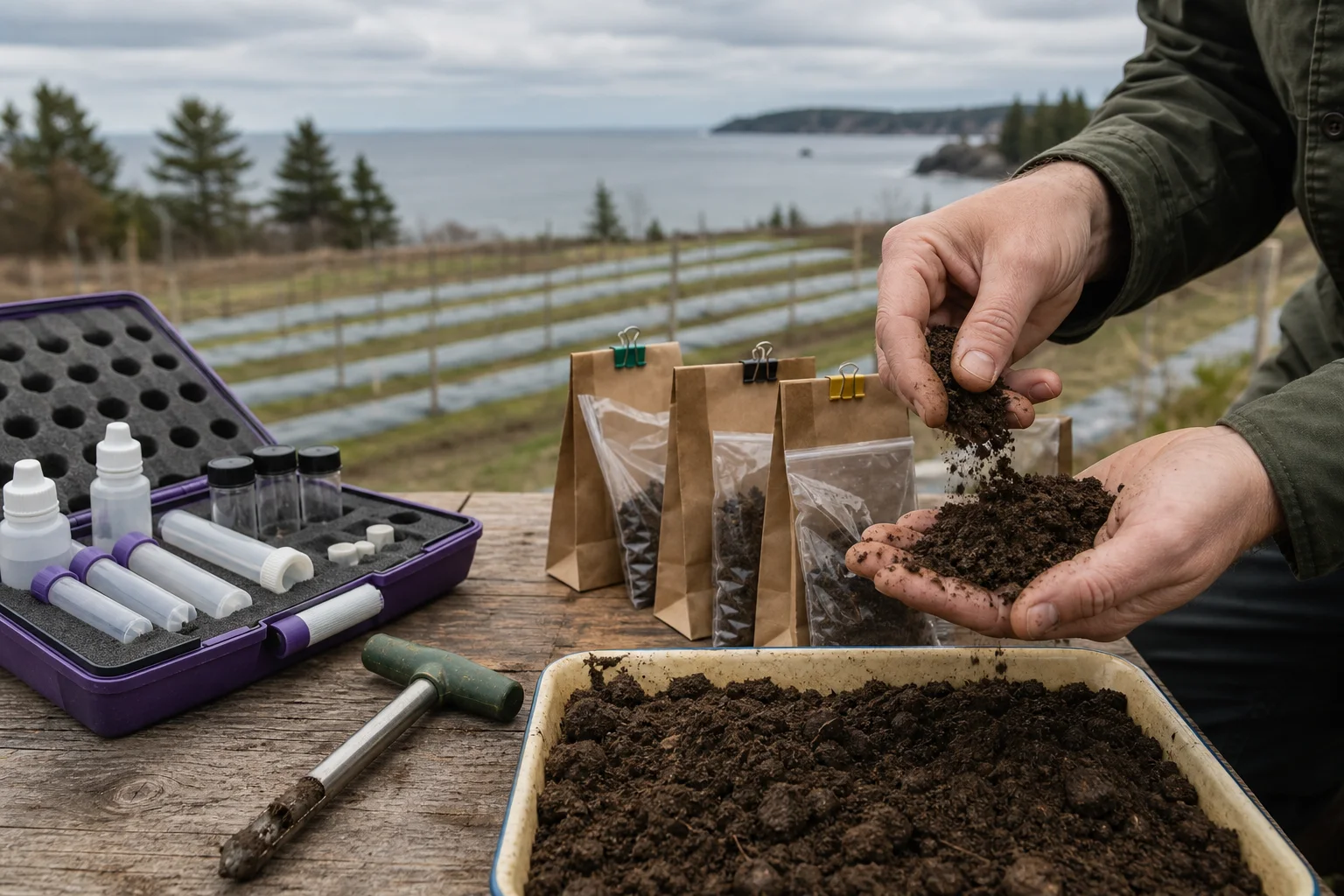
If you keep your own ledger, use the template offered here: date, lot, mother plant ID, propagation method, substrate, irrigation source, immediate pest observations, curing curve, storage container and conditions, voucher ID, license or home‑garden status, and COA citation if available. Over time, these small consistent acts of recordkeeping become a public resource for Maine’s gardening history and for anyone who wants to see how provenance and practice interact in our soils and seasons.
Permanent link to this entry