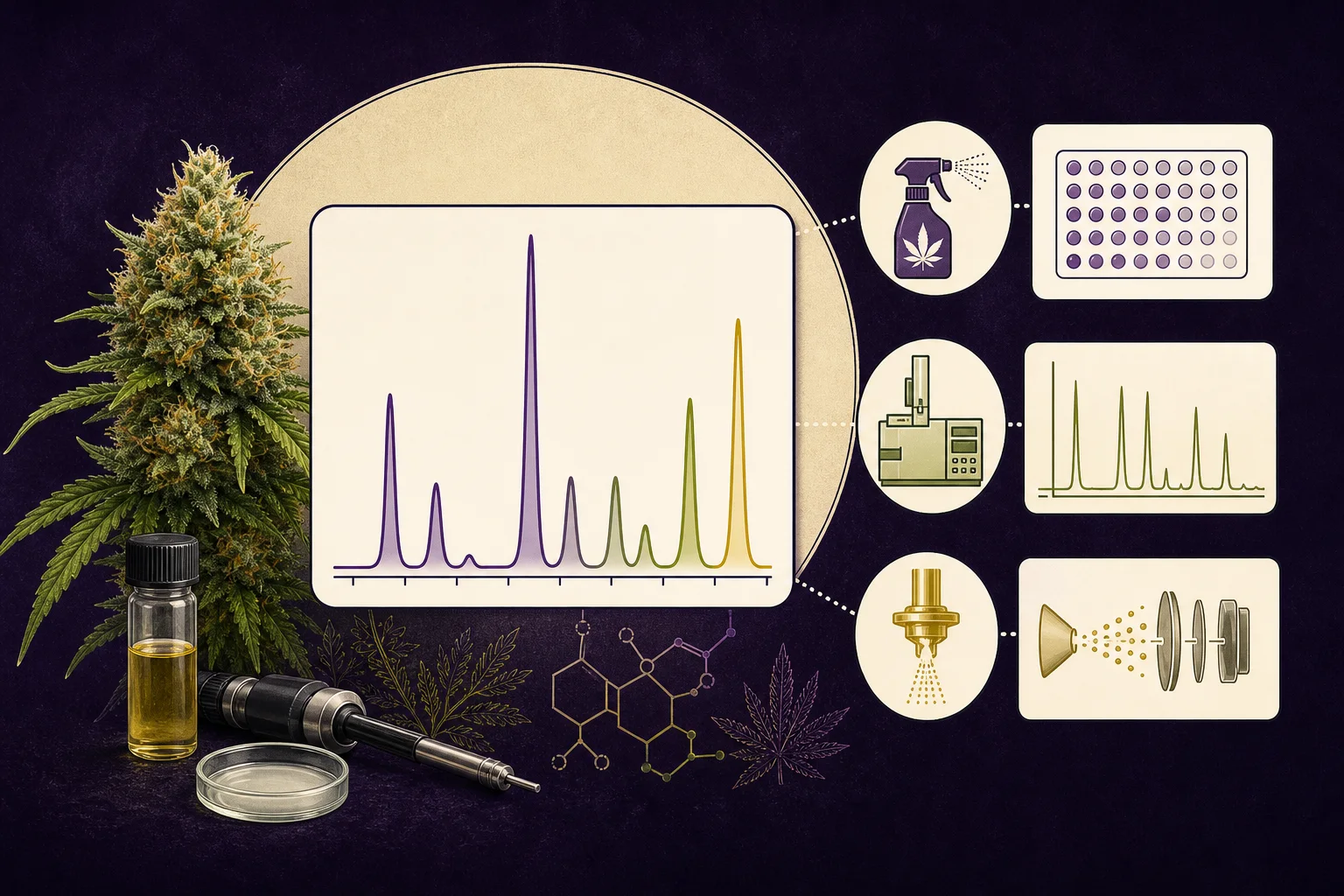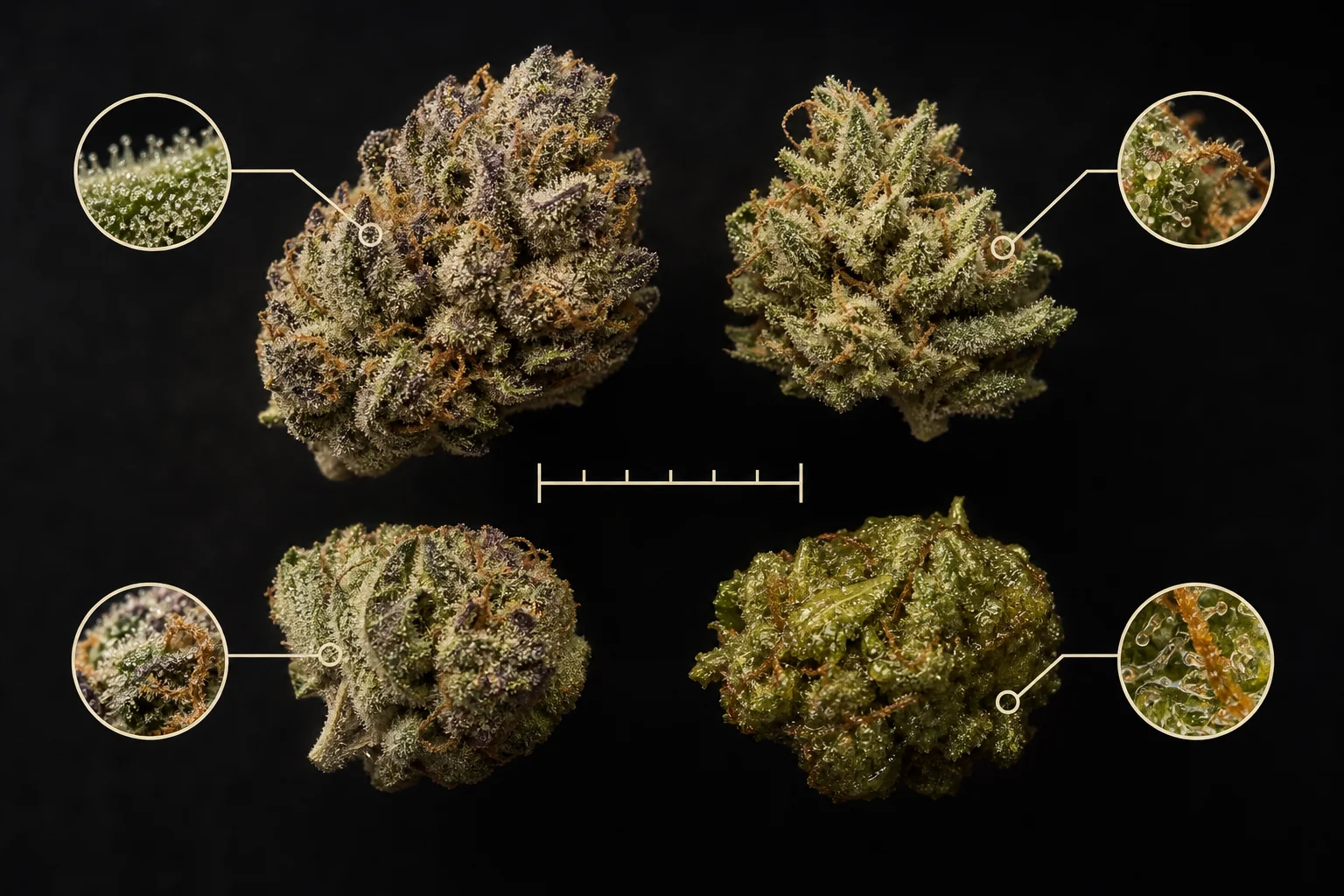
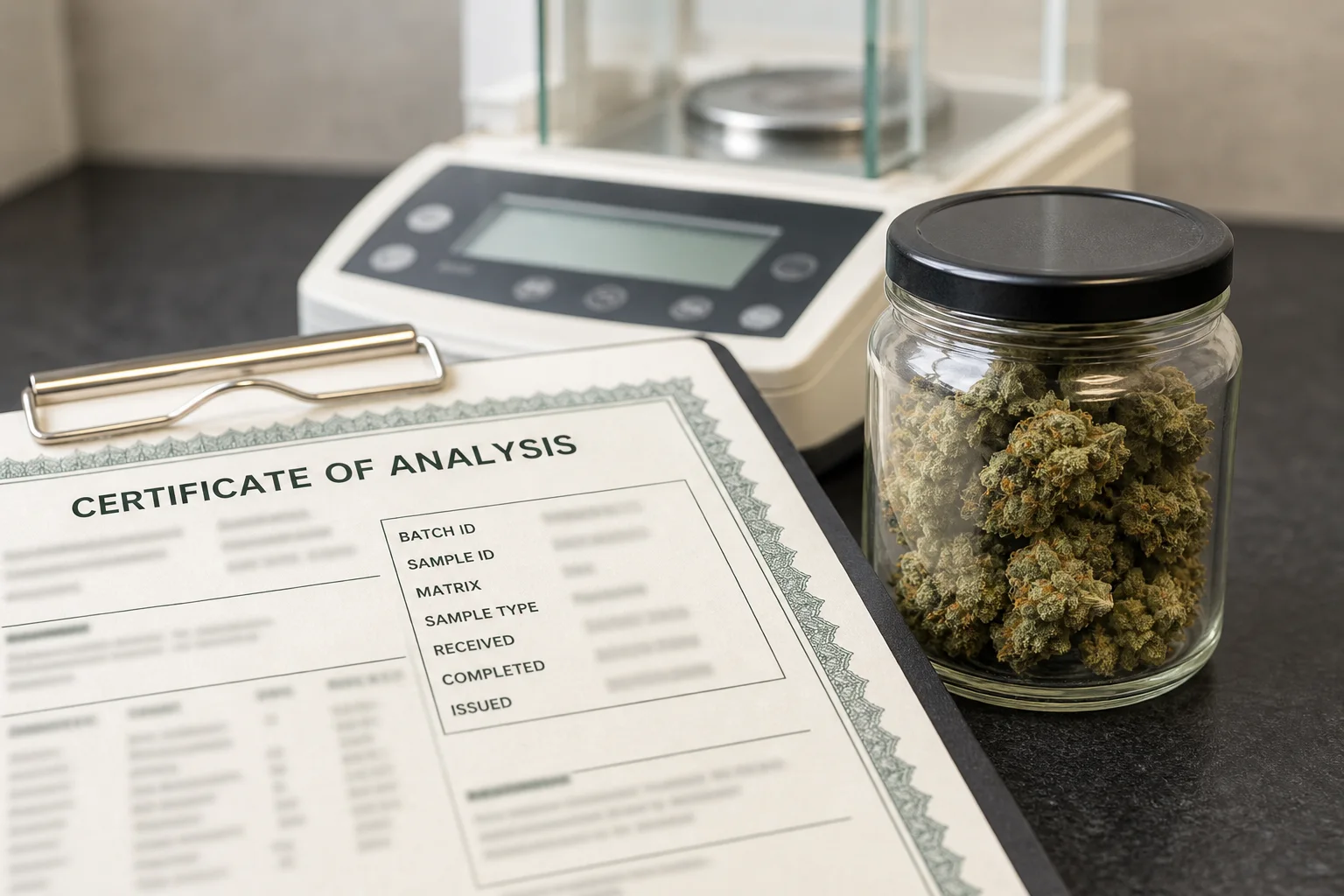
A Certificate of Analysis (COA) paired with the physical batch it represents. This visual shows the key identifiers (batch ID, date, lab) that link the analytic snapshot to the product — and reminds viewers that the COA documents one tested sample at one point in time. It illustrates the research point that COAs are sample‑based evidence with time limits. Limit: do not imply the COA represents every unit or later changes in storage.
A short orientation: COA, OCP, and two Maine systems
If you’ve ever asked for a Certificate of Analysis (COA) for a jar of flower or an edible, you deserve a clear answer about what that sheet actually means. For adult‑use products in Maine, mandatory testing and reporting are governed by the Office of Cannabis Policy (OCP) and by the testing rules that support Title 28‑B. The COA is the lab’s documented output for a specific sample: percentages for measured cannabinoids, a recorded terpene profile when requested, and pass/fail results for mandated contaminant categories. Those mandated categories include residual solvents, metals, microbes and mycotoxins, pesticides, and potency/homogeneity checks — and the lab must report results to OCP within two business days. (maine.gov)
Maine’s adult‑use testing rules apply to items sold by licensees; the state’s medical cannabis system is different. Medical cannabis in Maine is not subject to the same mandatory contaminant testing as adult‑use inventory — some dispensaries or caregivers voluntarily test, but the law leaves that choice to them. If medical product labeling claims potency or contaminants, verification by a certified testing facility is required. So when you read a COA, note whether the sample came from Maine’s adult‑use supply (routine mandatory testing and public reporting) or from a medical source with voluntary testing. Ask the seller which program the product used. (maine.gov)
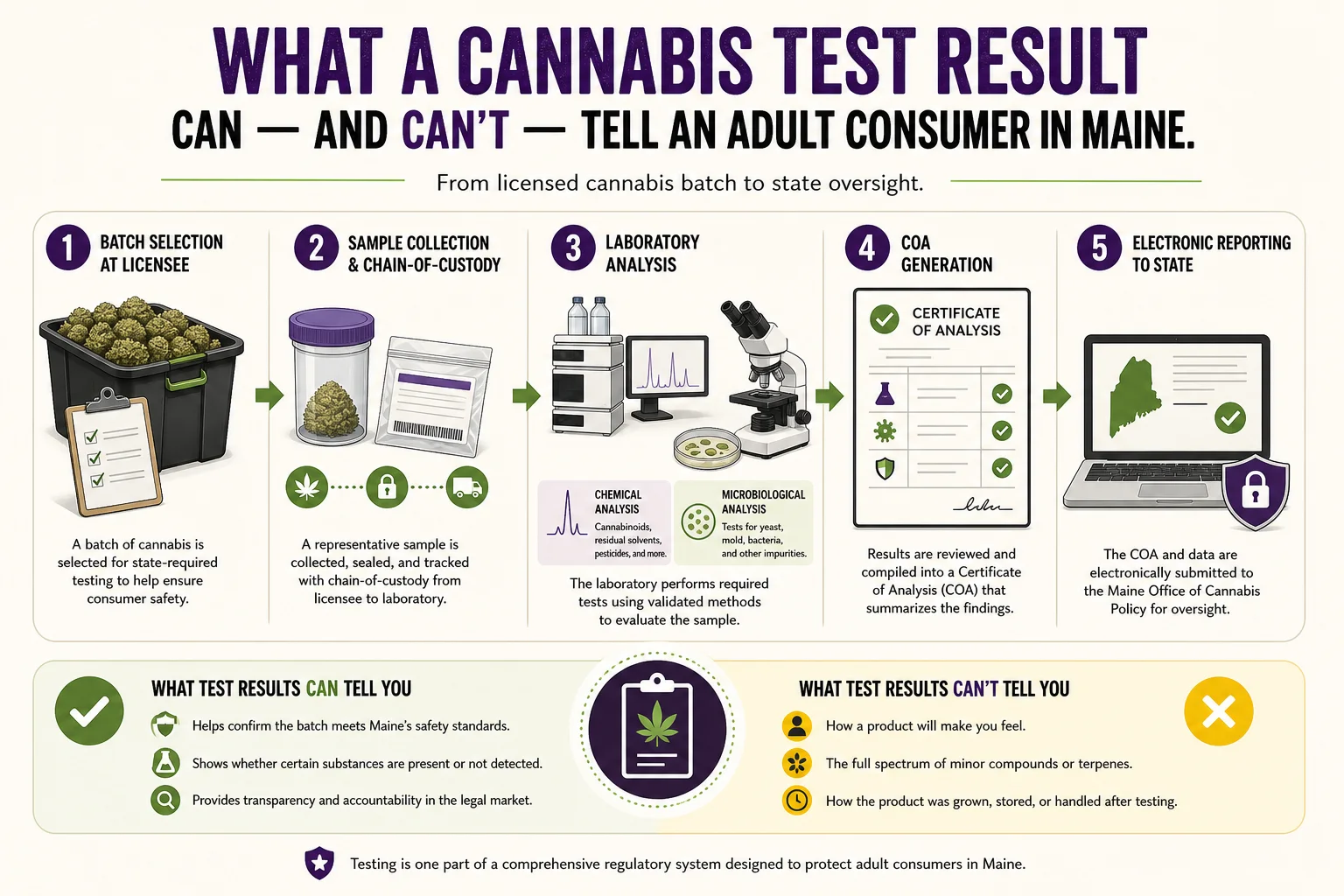
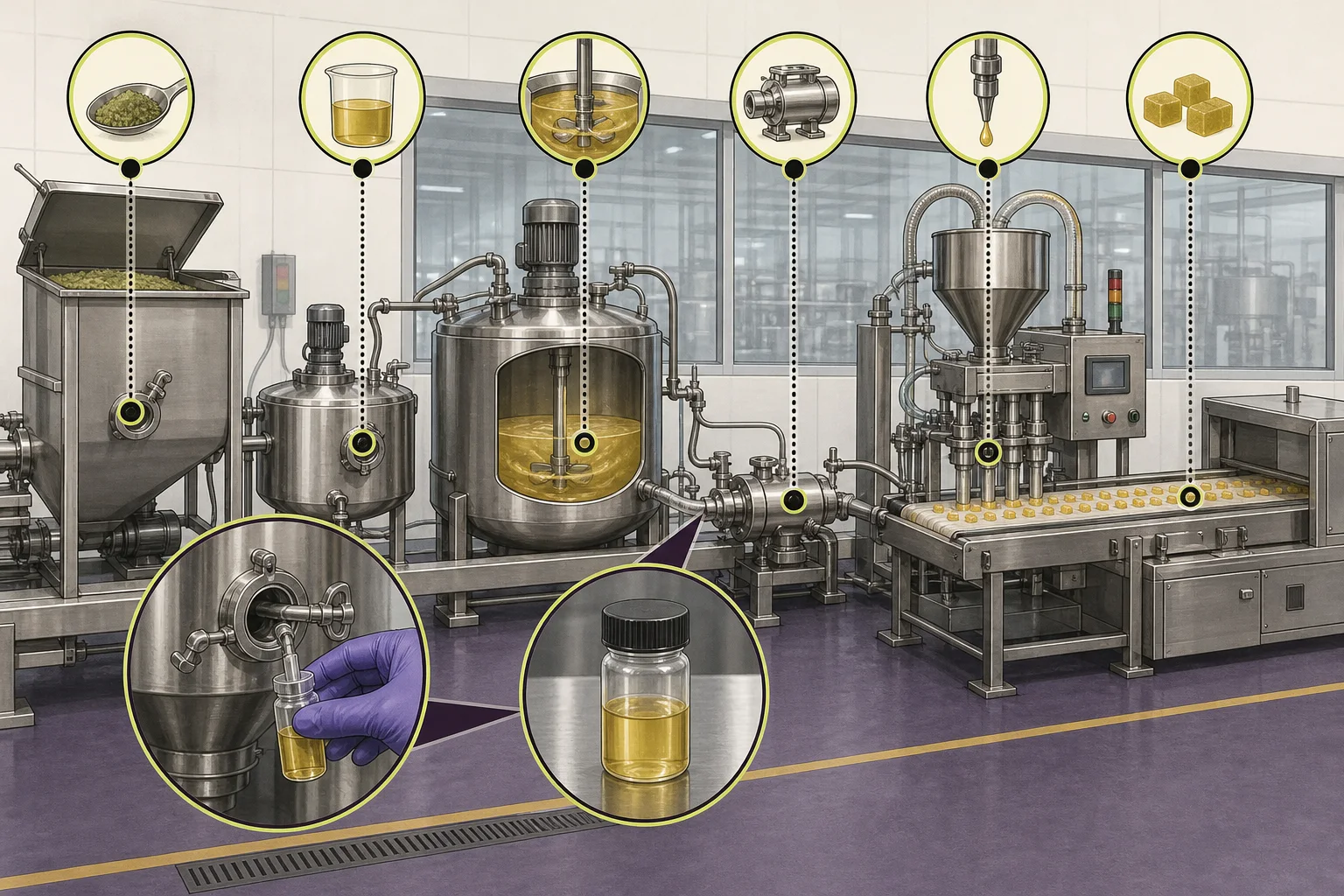
An explanatory workflow of how a sample turns into a COA and how labs report results to OCP. This diagram teaches the chain of custody and reporting steps required under Maine rules, connecting samples to public records. Limit: schematic only; no regulatory text reproduced verbatim.
Research context: Adult Use Cannabis Program Rules | Office of Cannabis Policy · Adult Use Testing Data | Office of Cannabis PolicyWhat potency numbers truly measure — and what they don’t
Questions this guide answers
Is a COA proof that a product is safe?
A COA documents analytic results for a single tested sample and specified analytes; a passing COA means the tested sample did not exceed state thresholds, not that every unit is risk‑free for all consumers. ([maine.gov](https://www.maine.gov/dafs/ocp/open-data/adult-use/testing-data))
Why do potency numbers vary between labs?
Different labs may use different extraction methods, instruments, and reporting conventions; cannabinoids are also chemically unstable under light, heat, or long storage, so reported percentages can differ. ([pubmed.ncbi.nlm.nih.gov](https://pubmed.ncbi.nlm.nih.gov/32285185/))
Do Maine rules require testing for everything?
Maine requires testing for a set of contaminant categories and for potency/homogeneity for adult‑use transfers; the exact analyte lists and thresholds are defined in OCP rules and guidance. Medical cannabis testing is more variable. ([maine.gov](https://www.maine.gov/dafs/ocp/open-data/adult-use/testing-data))
How can I verify a COA?
Match batch ID, lab name, and date on the COA with the product label and OCP’s public testing data; ask the seller for technical method details if they’re not provided. ([maine.gov](https://www.maine.gov/dafs/ocp/open-data/adult-use/testing-data))
What should I ask a seller about testing?
Request the COA, confirm the batch ID, ask which analytes were tested, check whether homogeneity was assessed for multi‑unit products, and verify the COA date and lab accreditation. ([maine.gov](https://www.maine.gov/dafs/ocp/open-data/adult-use/testing-data))
Educational information only. Cannabis affects people differently and this is not medical advice.