Cannabis language developed across botany, medicine, law, cultivation, and consumer culture. The same word can carry different meanings in each setting. A useful definition names the setting before it makes a claim.
 Growing the next page…Growing the next page…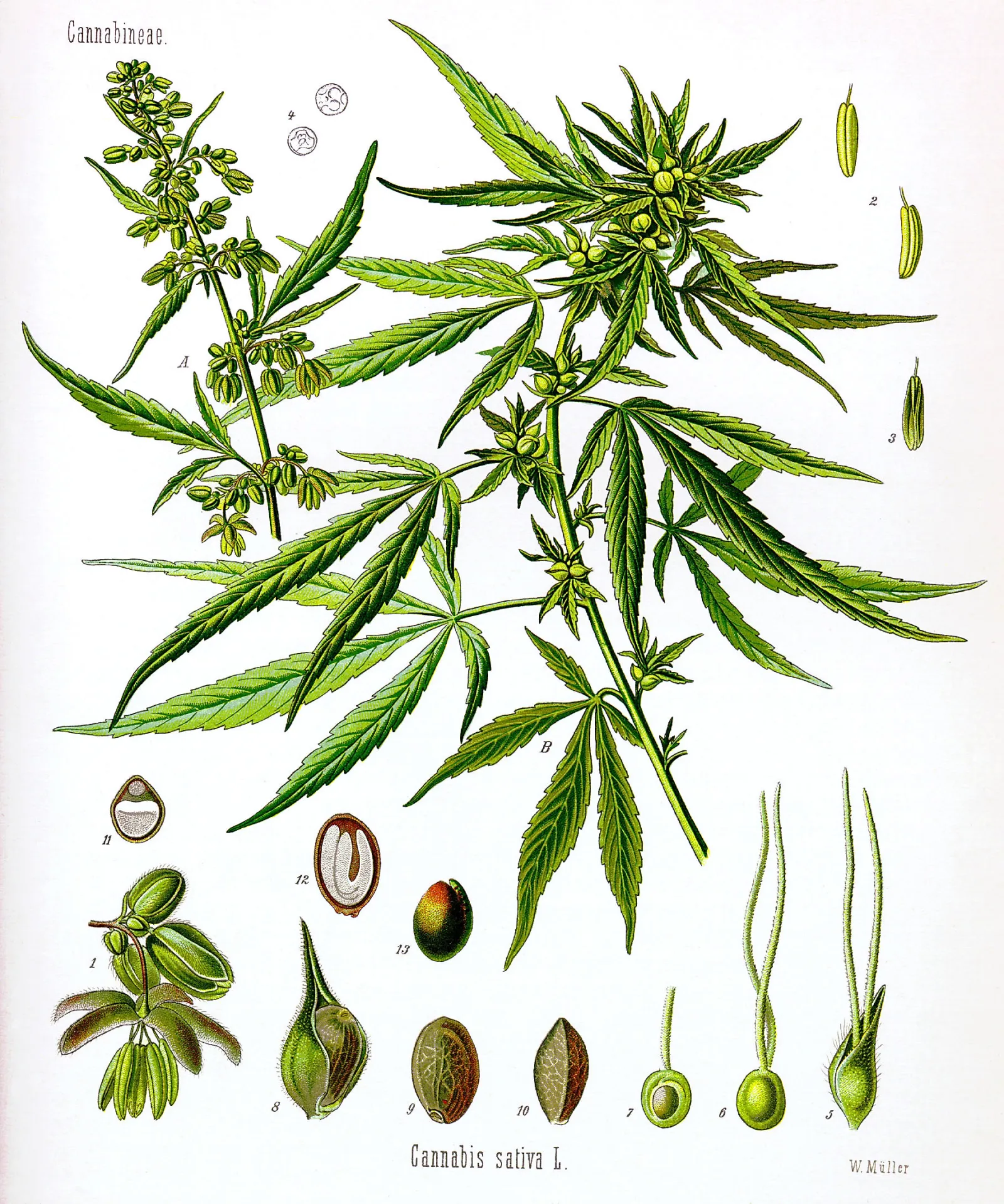
Foundations · Learning guide 9 of 216
Also called: Nose
The smell perceived from volatile compounds released by a product. Aroma is sensory evidence, not a potency or effect measurement.
Start with the context
Foundational vocabulary helps people tell plant identity, marketplace language, sensory description, measurement, and personal experience apart.
Aroma may also appear as Nose. An alias can help with search and recognition, but it does not create a different scientific or legal meaning unless a source defines one.
“In this context, Aroma means: The smell perceived from volatile compounds released by a product. Aroma is sensory evidence, not a potency or effect measurement.” The definition is kept separate from any claim about an individual outcome.
The goal is not memorizing jargon. It is knowing what a word lets you conclude—and where the conclusion must stop.
Cannabis language developed across botany, medicine, law, cultivation, and consumer culture. The same word can carry different meanings in each setting. A useful definition names the setting before it makes a claim.
When a foundational term appears on a strain page or product label, ask what evidence sits behind it. A name may organize a conversation without guaranteeing genetics, chemistry, quality, safety, or an individual response.
A botanical plate can show plant structures; it cannot identify the chemistry, potency, or legal status of a modern product.
Image: Walther Otto Müller · Public domainInterpretation boundary
The definition should make a claim clearer, not make it sound more certain than the evidence allows.
Do not let a familiar word do more work than the evidence. Descriptive vocabulary can support comparison, but it cannot turn observation into diagnosis or community shorthand into a standardized scientific category.
The most responsible use preserves uncertainty: identify the source, date the claim, connect measurements to a batch, and keep reported experiences separate from universal outcomes.
Aroma alone does not establish: identity beyond its documented scope, contaminant safety, a guaranteed experience, a medical benefit, a safe dose, or legal authorization.
Put the term to work
Source trail
These sources provide regulatory, scientific, public-health, or laboratory context. Their presence does not mean every sentence is a direct quotation or that a broad source proves a specific medical claim.
Editorial framework reviewed August 9, 2026. Maine requirements should always be verified before acting.
Educational information only. This learning page is not medical or legal advice and does not establish that a cannabis product is safe, effective, compliant, or appropriate for an individual.