 Growing the next page…Growing the next page…Growing the next page…
GMO is part of Mainezilla’s verified product archive in disposable format. That first-party record tells us where the name appears in the business; the lineage, historical descriptions, and any future garden notes remain clearly labeled by source.
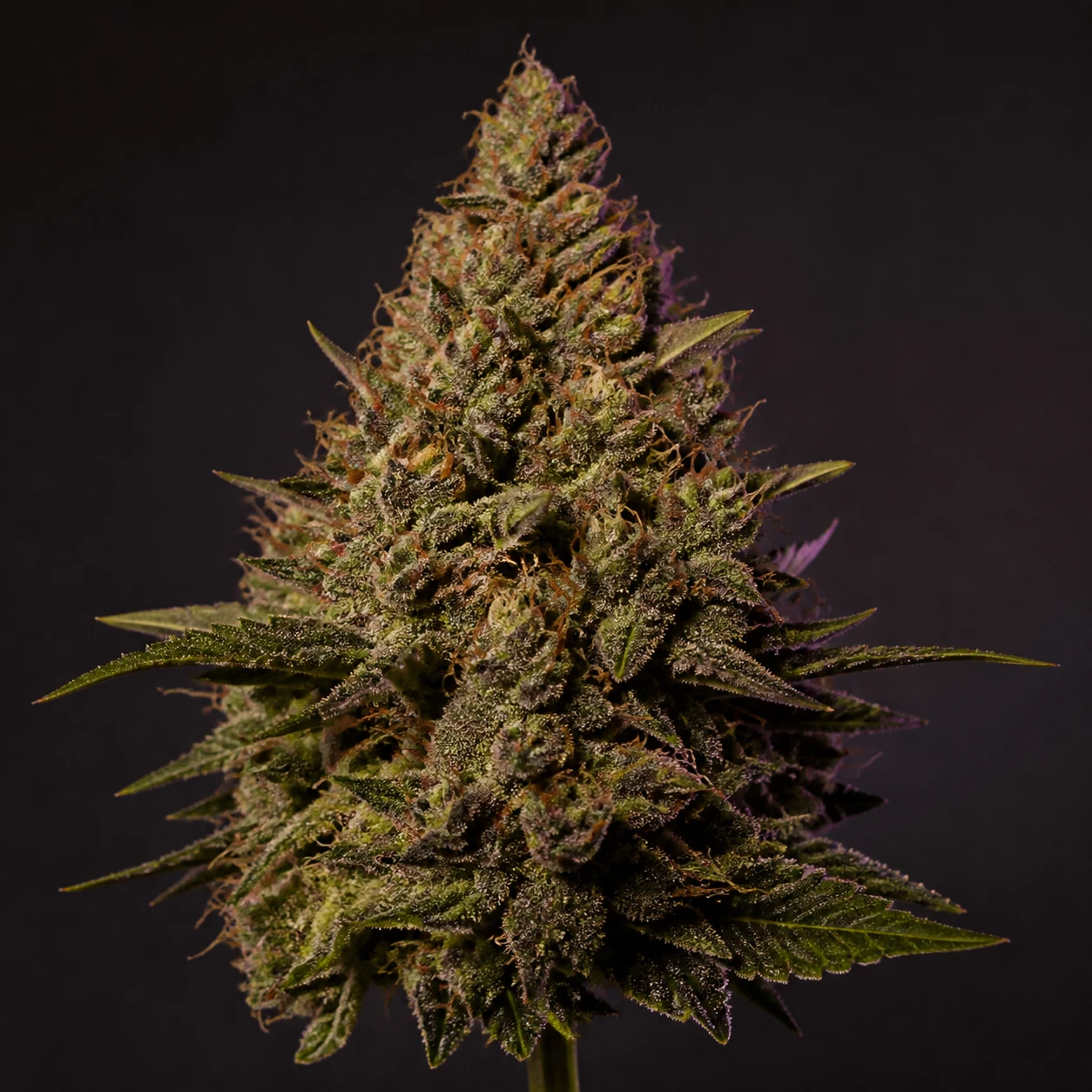
Meet the cultivar
GMO is commonly placed in the hybrid category. That label is only a starting point: breeder selection, phenotype, growing conditions, harvest timing, and cure can matter more than a broad commercial category.
Across the archived adult reports used for this profile, relaxed, tingly, happy, hungry, and sleepy appear repeatedly. Repetition makes the vocabulary worth documenting, but it does not turn subjective reports into a prediction for a different person or batch.
14 public ratings and reviews sit behind the recurring vocabulary used on this page. That volume shows where the language came from; it does not make the crowd infallible or establish a clinical effect.
The origin story
No lineage statement has cleared Mainezilla’s source threshold for this profile. That gap is shown deliberately; a shared name does not guarantee shared genetics or chemistry.
The paper trail gets thin when the conversation reaches GMO’s parents. That is common in cannabis history, where clones moved between friends, names changed across markets, and prohibition made careful recordkeeping risky. The missing family tree is part of the story, not a reason to invent one.
No single breeder has been reliably tied to the original version. The name may have emerged from a local grower network or survived after its creator disappeared from the public story—a familiar pattern in older cannabis genetics.
Garden take
GMO is not here because somebody copied a popular strain list. It appears in Mainezilla’s actual inventory as disposable. That is the fact the garden can stand behind today. The next layer is batch-specific: photographs, aroma, structure, harvest observations, and laboratory context when those records are ready to publish.
The experience
The five words that surface most often around GMO are relaxed, tingly, happy, hungry, and sleepy. Together they sketch a general arc, but they are better read as conversation starters than instructions for how anyone should feel.
Amount, tolerance, setting, product format, and the chemistry of the actual batch can all change that arc. A dated note tied to the correct product and batch is more informative than relying on the name alone.
No clear strain-specific pattern has emerged.
A strain name is a starting point. The product, amount, setting, tolerance, and person finish the story.
Who may be drawn to it
This is not a prescription or a promise. It is a practical way to decide whether the cultivar belongs on your research list.
Readers researching cultivars historically associated with earthy, pungent, and blue cheese aroma and flavor vocabulary.
Adults comparing the subjective language—especially relaxed, tingly, and happy—that has accumulated around different strain names.
Cannabis-history readers interested in names and local stories whose original paper trail has faded.
Aroma & flavor
GMO is most often described with earthy, pungent, blue cheese, cheese, and skunk. Think of those words as a map for the nose, not a recipe: one batch may lean hard into a single note while another reveals the quieter parts after the flower is broken open.
Freshness and cure can completely change the conversation. A well-kept flower may open in layers; an old or poorly stored one can flatten an interesting genetic profile into hay, dust, or generic sweetness.
In the garden
GMO belongs in the Mainezilla collection because the current inventory ledger ties the name to disposable. The ledger confirms the business relationship; it does not prove every historical lineage or effect claim attached to the name elsewhere.
Future garden notes should connect a specific run to plant structure, room observations, harvest timing, drying, cure, and first-party photography. Until then, the site preserves the verified format record and keeps the missing cultivation details visibly open.
When Mainezilla grows this cultivar, this is where the team will record its structure, rhythm, surprises, harvest, and cure in plain language.
Evidence ledger
Used for identity, catalog context, or the uncertainty boundary shown in this profile.
Leafly · Reviewed Aug 9, 2026Used for identity, catalog context, or the uncertainty boundary shown in this profile.
PLOS ONE / PubMed Central · Reviewed Aug 9, 2026Used for identity, catalog context, or the uncertainty boundary shown in this profile.
Journal of Cannabis Research / PubMed · Reviewed Aug 9, 2026This encyclopedia is educational, not medical advice. Reported experiences are subjective and do not establish safety, efficacy, dosage, or treatment suitability.
Explore next
Frequently asked questions
GMO is listed as a hybrid in historical strain directories. That category is descriptive, and a current batch may not express every trait associated with the label.
Historical adult self-reports commonly use relaxed, tingly, happy, hungry, and sleepy. Those reports are subjective and do not predict an individual response or establish medical benefit.
This file does not yet have enough sourced negative-effect vocabulary for a strain-specific summary. That absence should not be interpreted as proof that unwanted effects cannot occur.
Historical sensory descriptions include earthy, pungent, blue cheese, cheese, and skunk. Aroma and flavor vary by phenotype, harvest, cure, storage, and observer.
GMO appears in the Mainezilla garden or product archive. Public observations remain limited to records Mainezilla can support.